











































College football has produced hundreds of great defenses. One team did something nobody has repeated. The 1939 Tennessee football season is still the last time any program finished a regular season undefeated, untied, and unscored upon. Ten games. Ten wins. Ten shutouts. Two hundred twelve points to zero. Eighty-six seasons have gone by, and nobody has come close.
The streak around that season is bigger than the season itself. From the LSU game on October 29, 1938, through the Alabama game on October 19, 1940, the Volunteers held seventeen straight regular-season opponents scoreless. Seventy-one consecutive quarters. Four hundred seventy-nine points to none. Both records still stand.
How a streak like that begins
It begins with nothing at all.
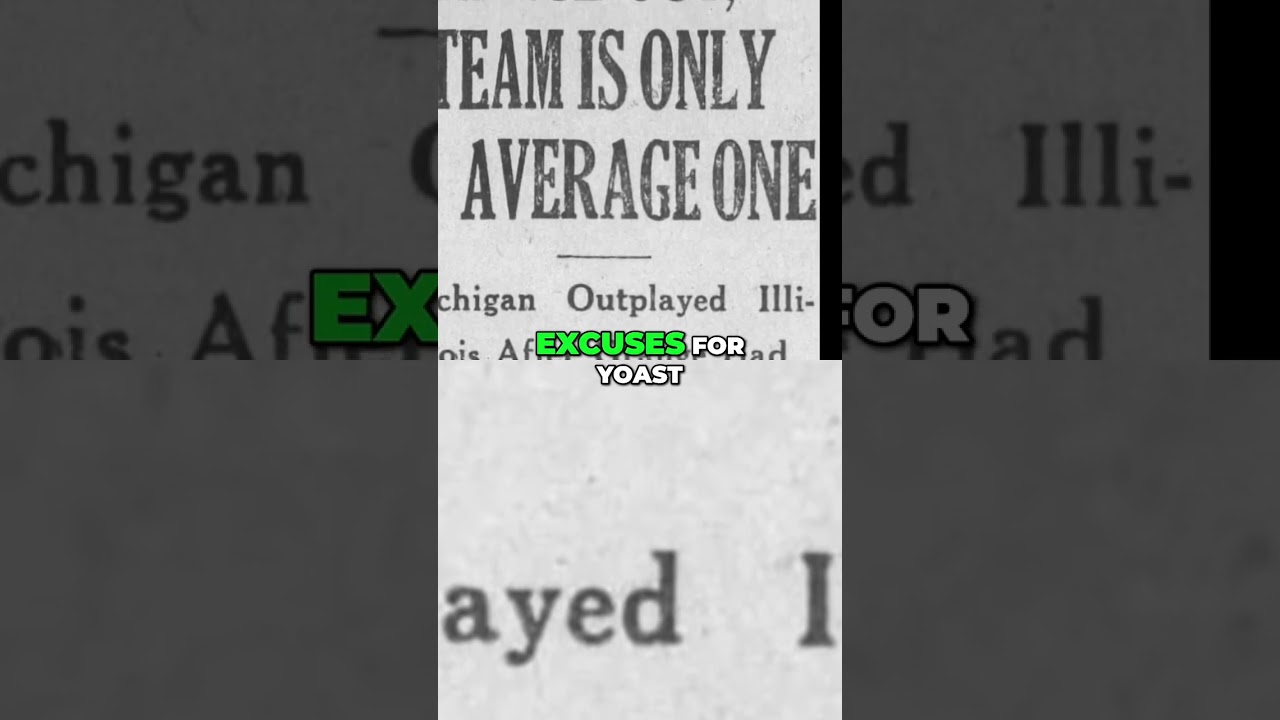
LSU came to Knoxville for homecoming in 1938. Somewhere in the first quarter the Tigers put six points on the board. Tennessee won 14-6. Thirty-six thousand people went home, and the coverage the next morning was the usual stuff — a homecoming crowd, a comfortable win over a conference opponent, on to next week.
Those six points were the last anyone scored on Tennessee for 71 straight quarters.
The river engineer who talked his way into a football job
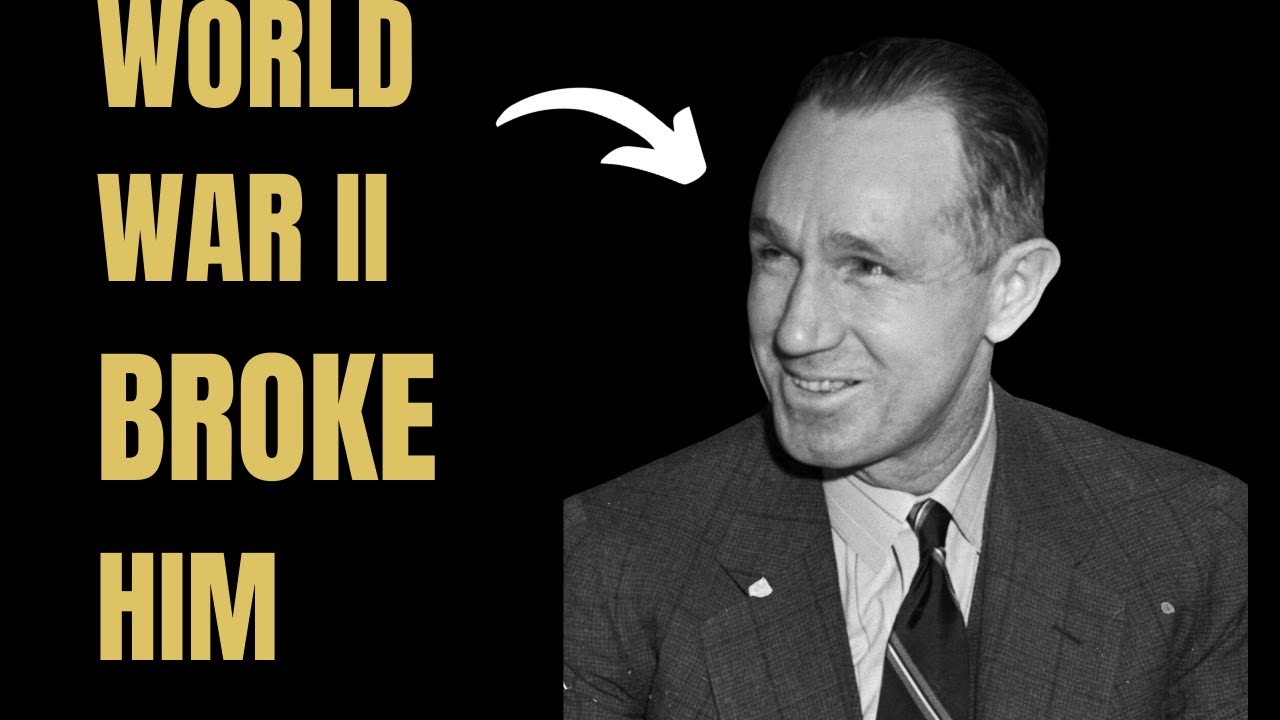
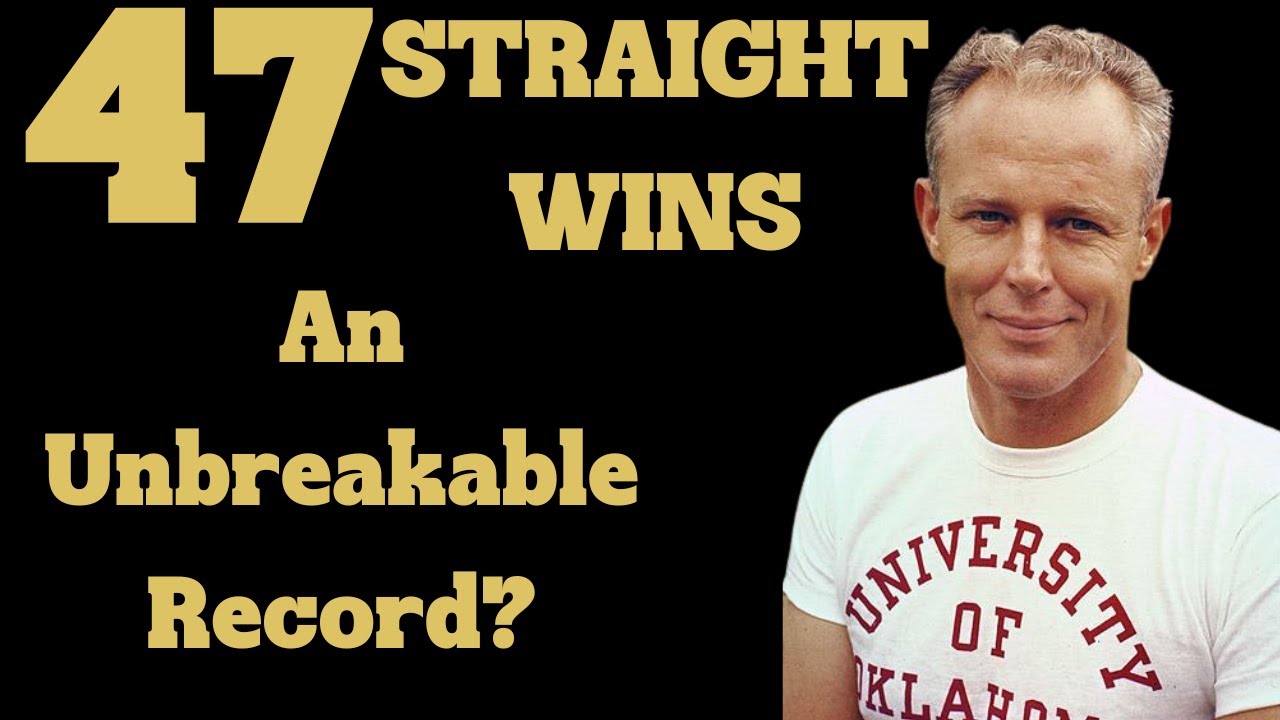
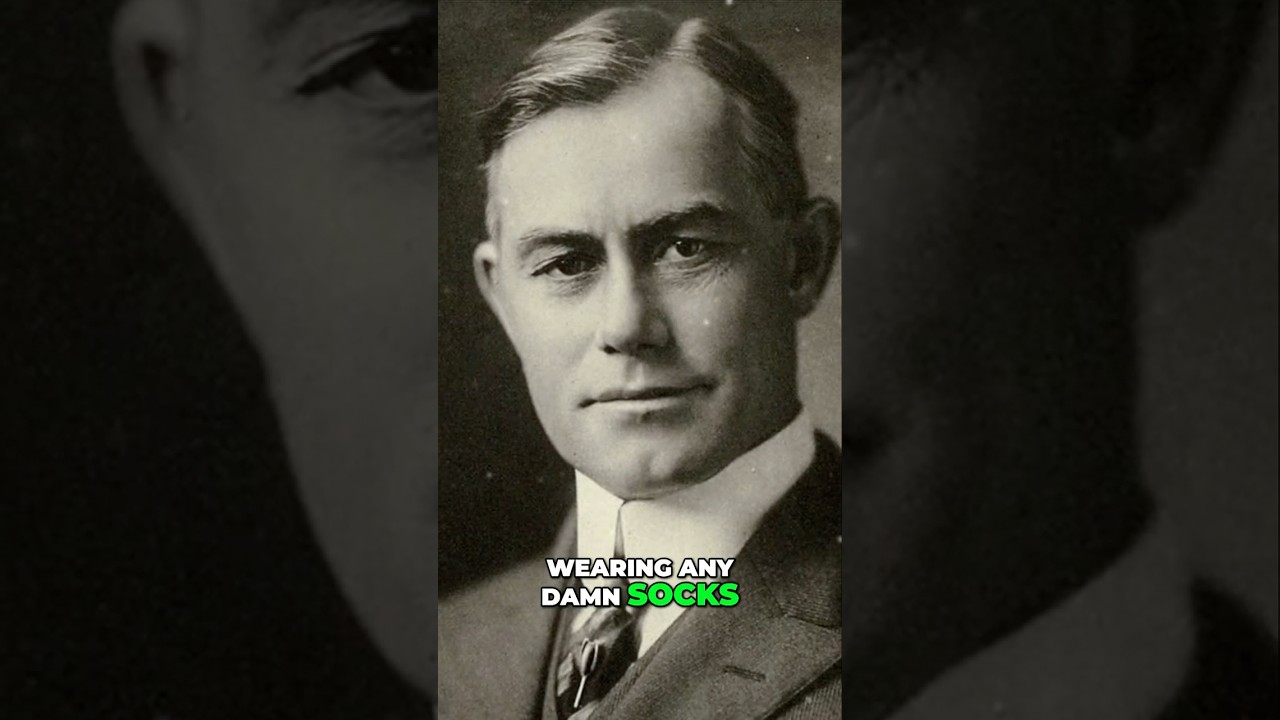
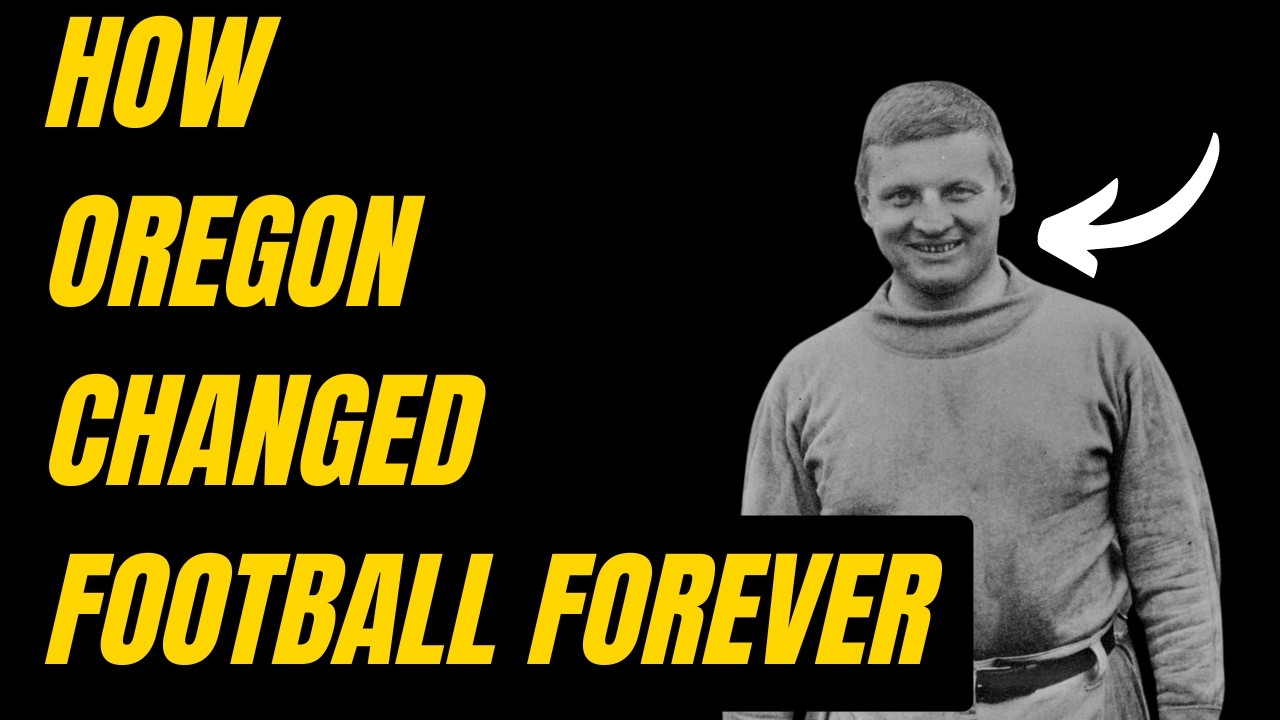
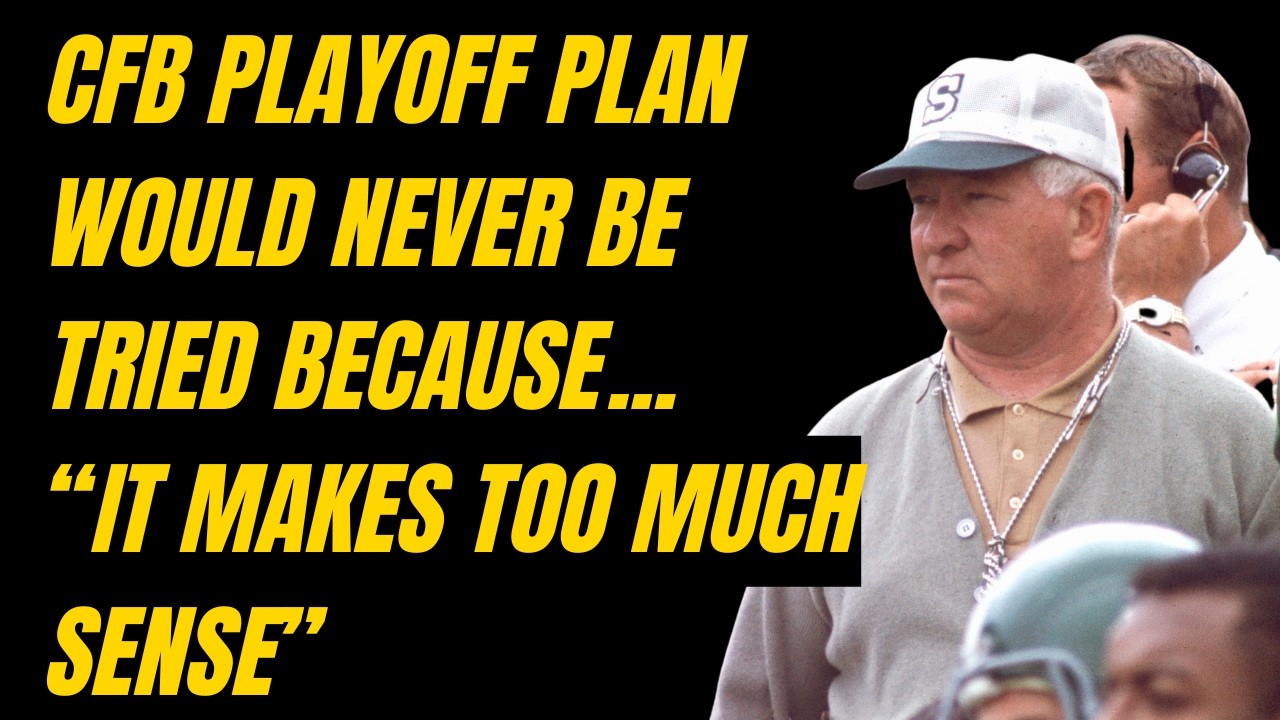
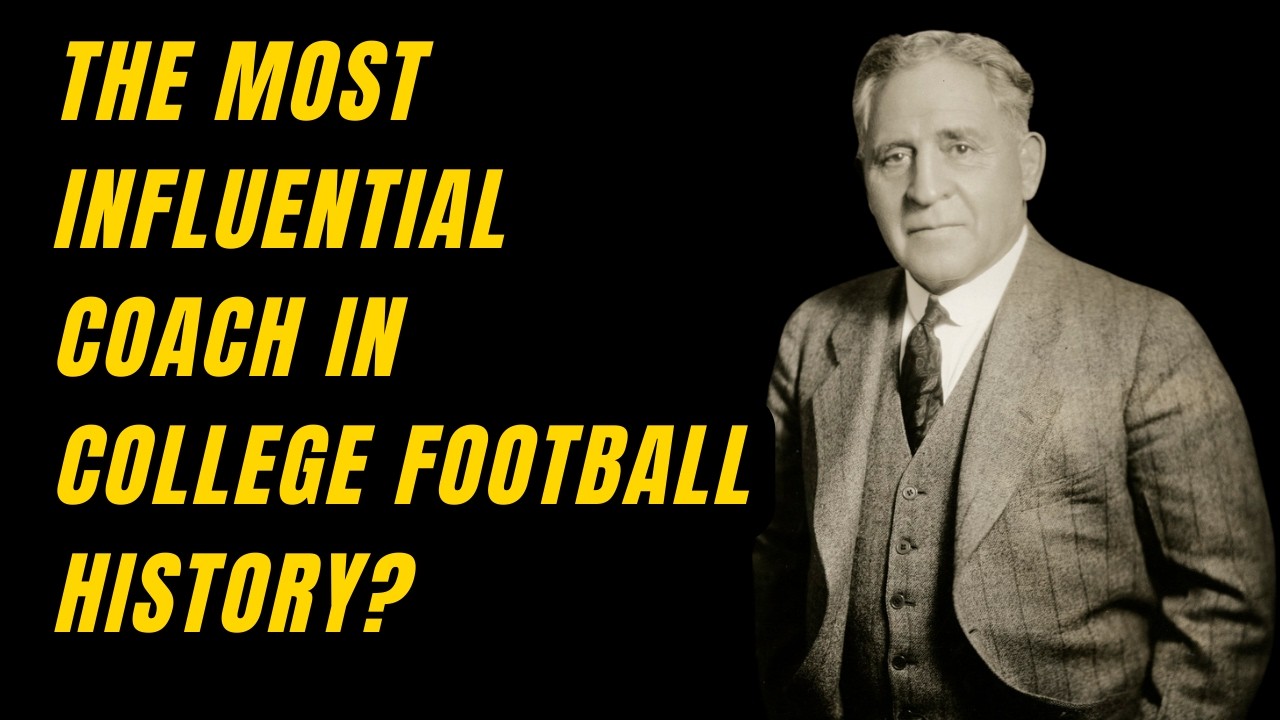
Robert Reese Neyland was not a football coach who happened to be in the Army. He was an Army officer who talked his way into a football job.
He came out of Greenville, Texas, went to Burleson College, transferred to Texas A&M to study engineering, then won a competitive appointment to West Point in 1912. Four years there produced one of the more remarkable athletes the academy has ever had. He was a lineman on the football team. He pitched the first no-hitter in West Point history, and the New York Giants came after him with a contract. He was the academy’s undefeated heavyweight boxing champion for his last three years.
He turned down the baseball money and took his commission in the Corps of Engineers in 1916. The Army sent him to the Mexican border, where he built levees along the Rio Grande and put in bridges and roads. Then France. Then postgraduate civil engineering at MIT. Then back to West Point in 1921, where he served as aide to the superintendent, a brigadier general named Douglas MacArthur, and helped coach football, baseball and boxing on the side.
By 1925 he wanted to coach for real. He went looking for an ROTC assignment at a school where he could also run a football program. There were two openings — one in Iowa, one in Tennessee. He picked Tennessee, and the man who hired him, Nathan Dougherty, gave him one job: even the score with Vanderbilt.
Football was the side job. The ROTC assignment was the primary appointment. The assistant coaching position paid $700 a year, and while he was doing both of those things he was also serving as assistant to the district engineer for the Corps of Engineers in Chattanooga. By 1931, five years into his head coaching tenure and in the middle of building a national power, he was a district superintendent supervising the dredging of the Tennessee and the Cumberland, and he ran the preliminary surveys for the ground that became Norris Dam.
His profession was deciding where rivers should run. His football offense worked much the same way.
An offense built to give the ball back
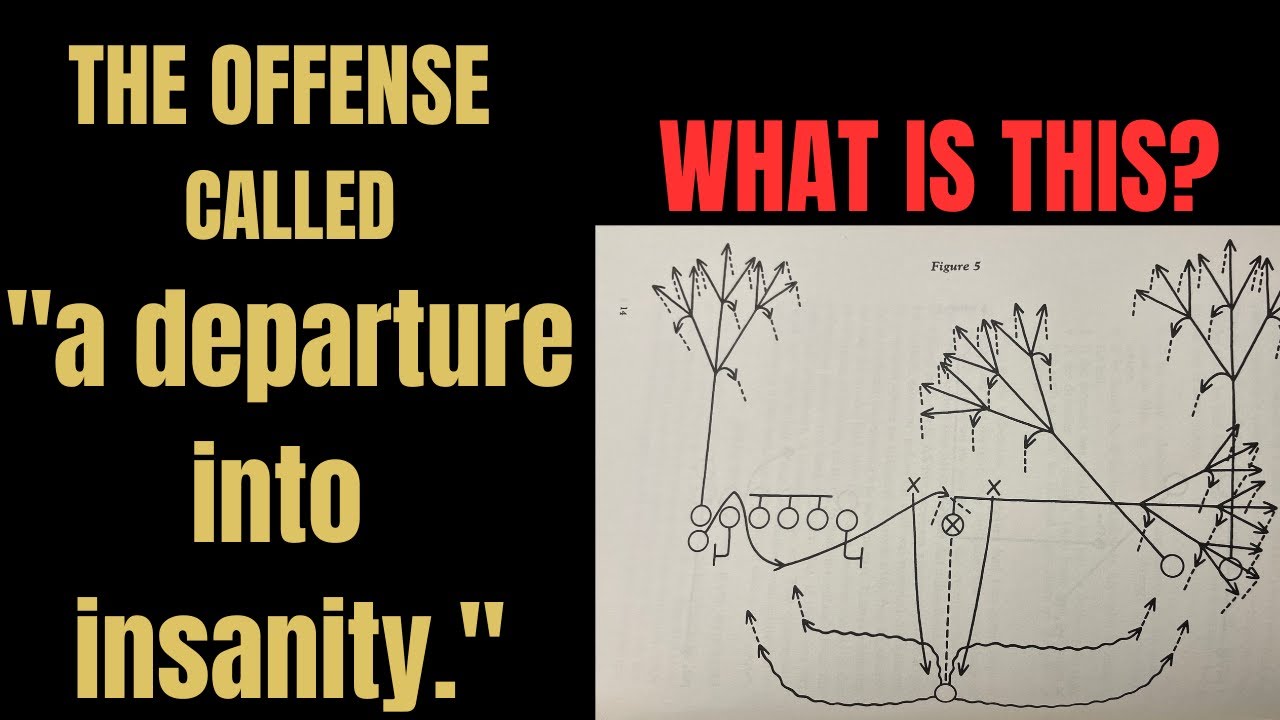
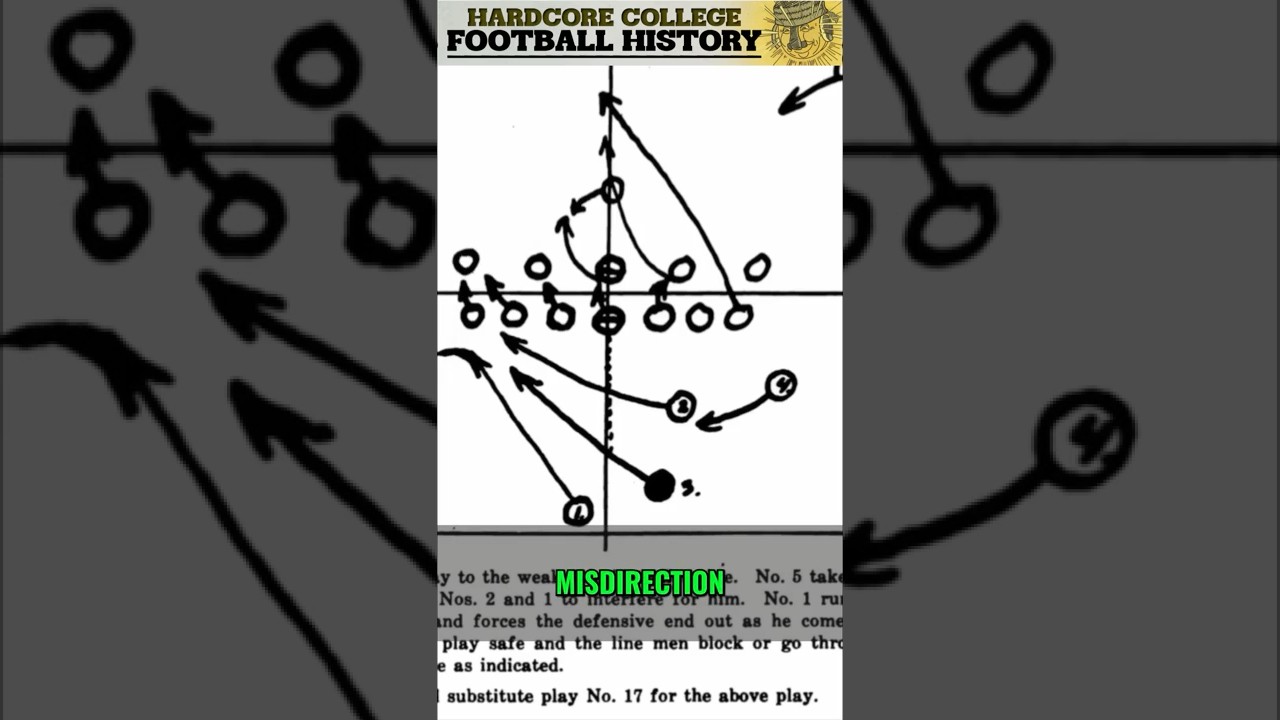
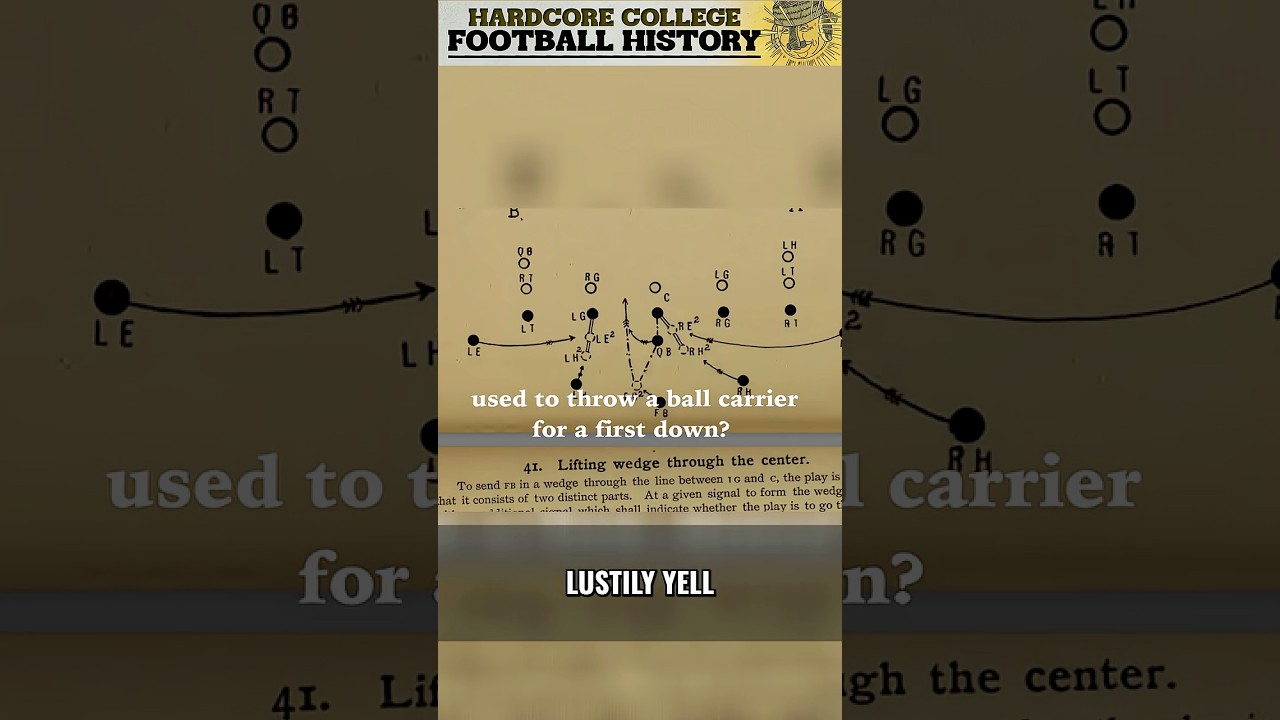
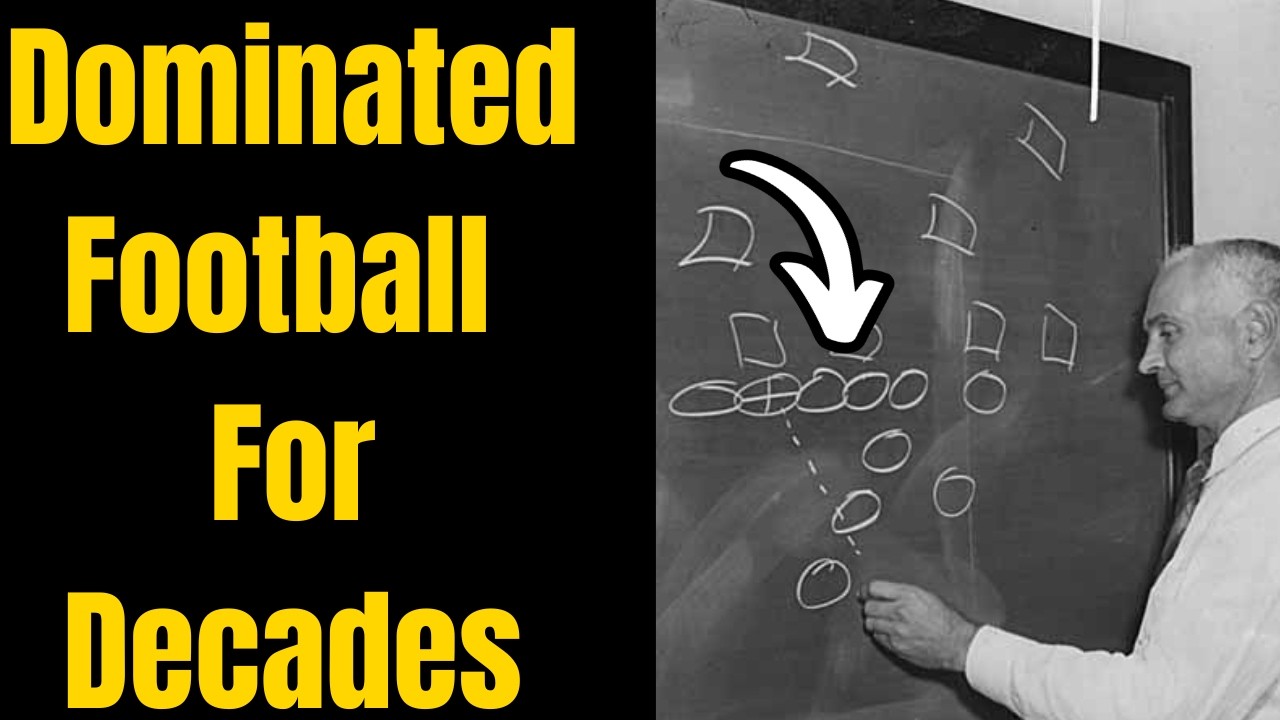
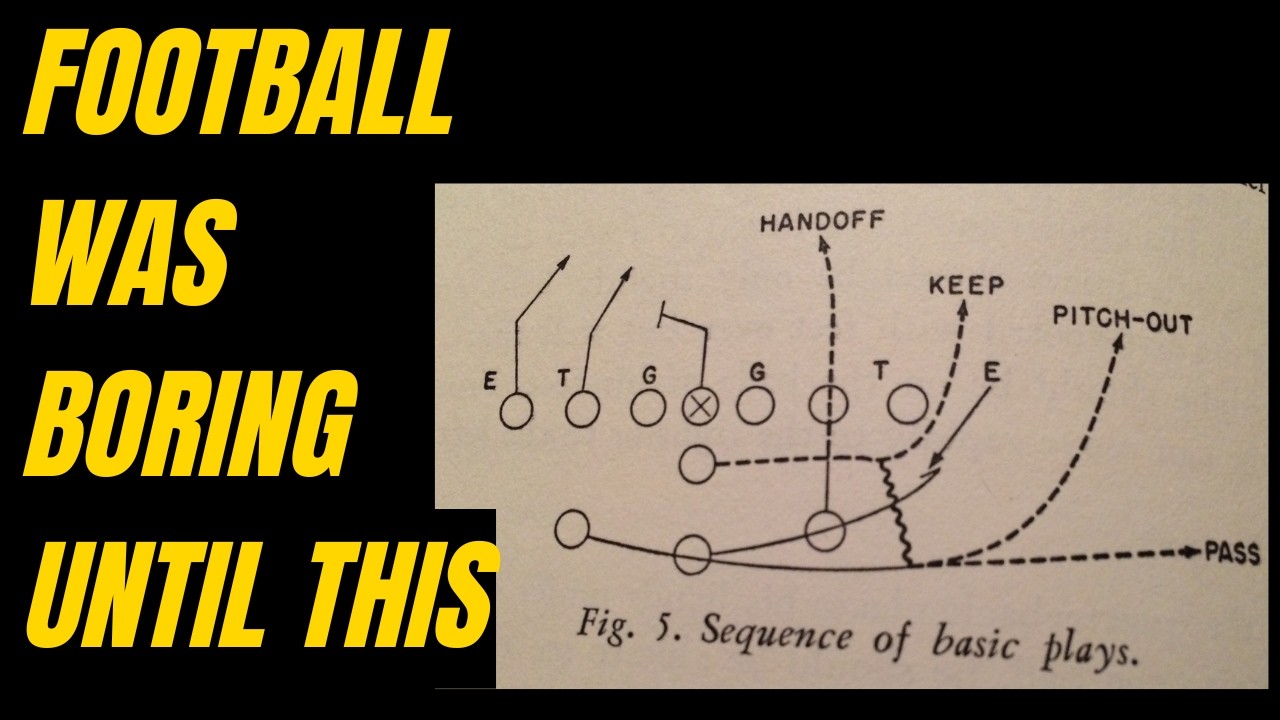
The single wing Tennessee ran was not built to score points. It was built to win field position and hand the ball back to the other team at the worst possible place.
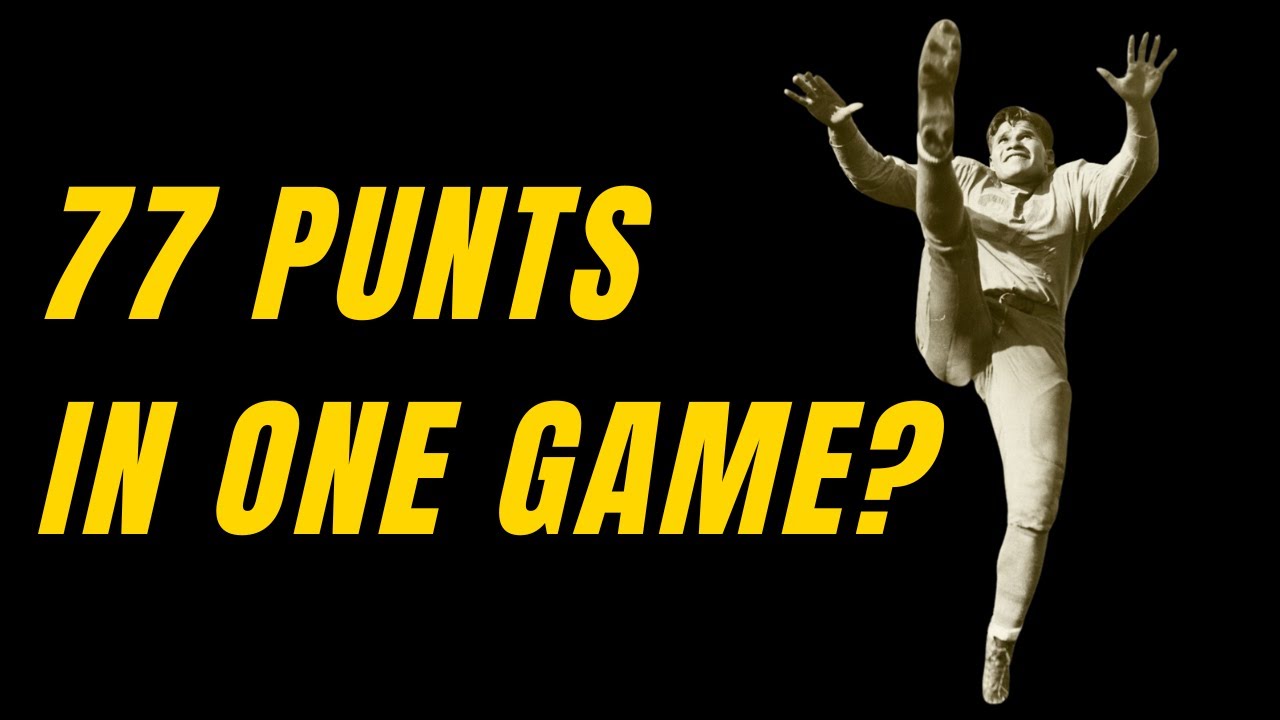
Neyland punted constantly, and not on fourth down. The quick kick, on first or second down before the defense expected it, flipping sixty yards of field in a single play, was a core part of the offense rather than an emergency measure. Ed Cifers, an end on those teams, put it plainly years later: with a ten-point lead, Neyland would quick-kick on first down just to give the other team the ball and hope they made a mistake. The 1937 Tennessee team punted 13.9 times per game. That is still the highest figure ever recorded by anyone in the history of the sport.
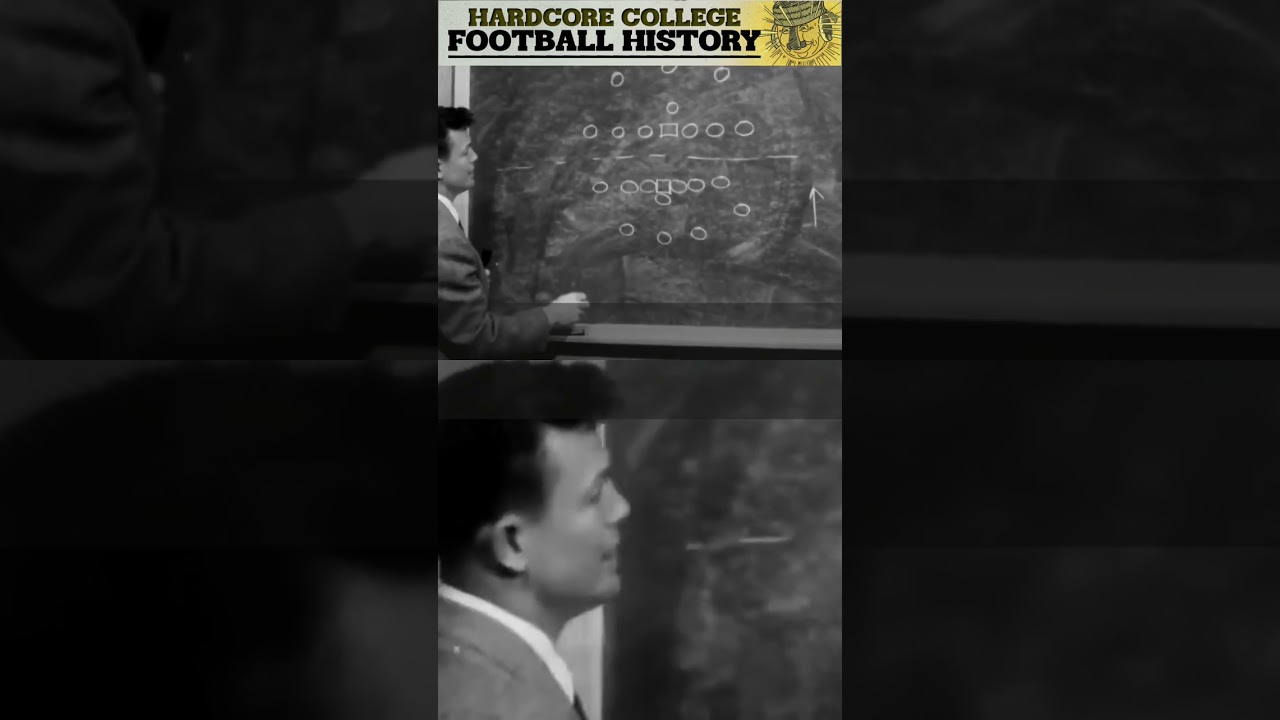
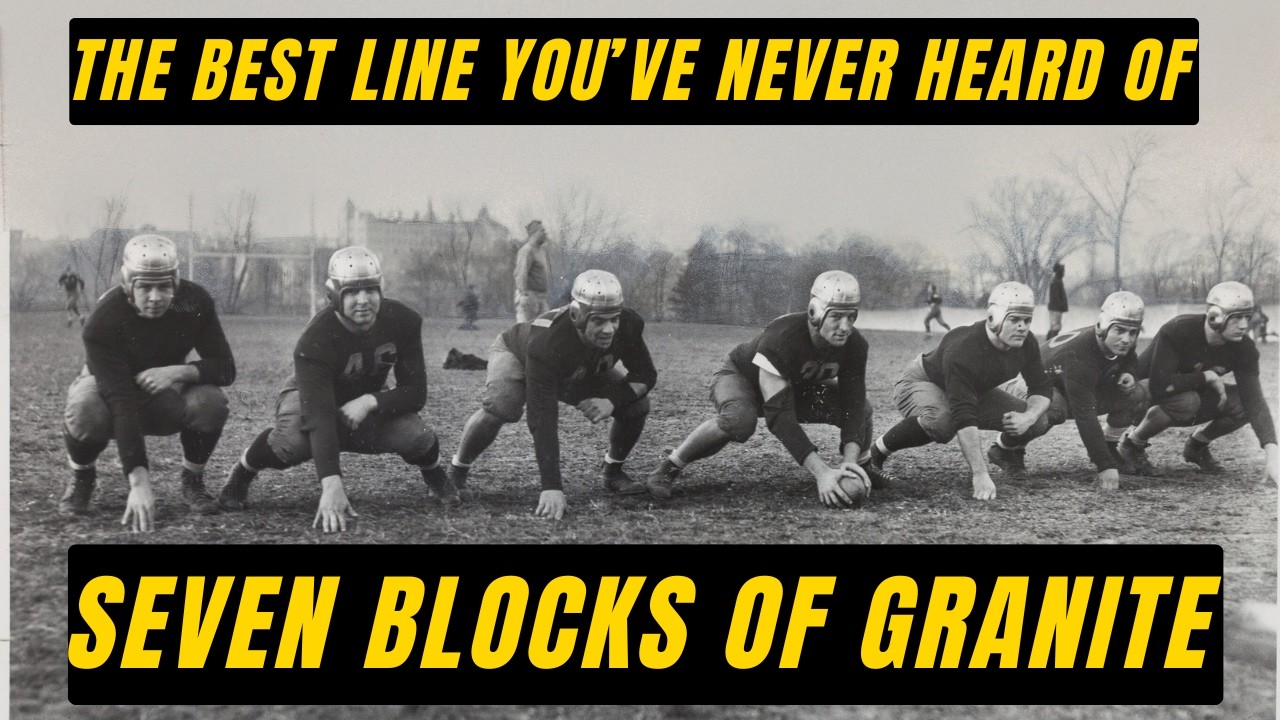
The defense worked on the same principle. Neyland ran a six-man line and a zone pass defense, and he taught his linemen not to charge into the backfield. Crashing gets you nothing, because a good offense is built to use your momentum against you. Instead they pressed forward, read, waited for the play to declare itself, and shifted with it.
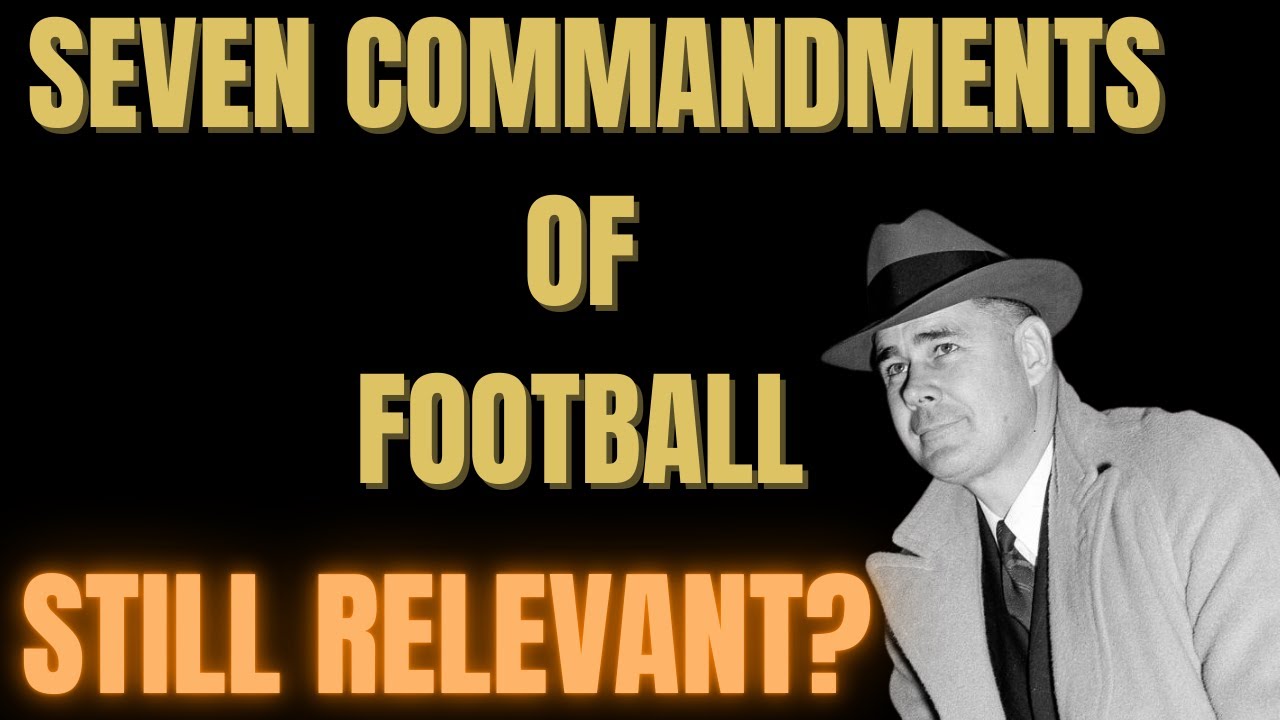
He was among the first coaches in the country to use film to evaluate his own games. He gave his players seven maxims and had them recited before every game. The first one was that the team making the fewest mistakes wins. He also liked to say there are more ways to score on defense than on offense.
He ran the program like a garrison
Players were forbidden to lift weights, on the theory that it would make them musclebound. Practices ran on a clock. Len Coffman, a fullback, remembered running the same play five hundred times. A man who fumbled in a game had to carry a football with him everywhere for a week — to class, to meals — and he had to sleep with it.
When Coffman broke the rule against leaving Knoxville during the season to go see his girlfriend in Greeneville, Neyland asked him how far Greeneville was. Seventy-two miles, Coffman said. Neyland gave him seventy-two laps.
They worshiped him anyway. This was the back end of the Depression. Norbert Ackermann, the center on those teams, figured 90 percent of the men on those championship rosters could not have gone to college at all without the scholarships Neyland handed out. Coffman had been fatherless since he was nine and described himself as a pauper. Ike Peel’s father ran a little grocery store on the banks of the Mississippi, and on the day his son left for Knoxville he handed him a twenty-dollar bill and told him he had scraped to get it together.
Ten games, and nobody got close
Tennessee came into 1939 as defending national champion, more or less. The 1938 team had gone undefeated, beaten Oklahoma in the Orange Bowl, and been named champion by most of the selectors, while the Associated Press writers put TCU and Davey O’Brien first.
The Vols opened on a Friday night, September 29, at North Carolina State in front of a Raleigh homecoming crowd. They scored twice in the first seven minutes, played sluggishly for three quarters, and won 13-0. Nobody wrote it up as the beginning of anything. Sewanee at home, 40-0. Chattanooga on the road, 28-0, and the Chattanooga paper’s headline the next morning was that Chattanooga had held mighty Tennessee to 28.
Then Alabama, October 21, at Shields-Watkins Field. The Tide came in ranked eighth in the country, and more than forty thousand people got into the stadium — the largest crowd that had ever attended a sporting event of any kind in the state of Tennessee. Alabama never got into the game. Tennessee won 21-0. Mercer, 17-0. LSU, ranked 18th, 20-0 in Baton Rouge on November 4.
Four days later a Hattiesburg, Mississippi paper ran a piece on the Tennessee defense, and the writer said the statistics told the story better than the games did. Through six games, North Carolina State, Sewanee, Chattanooga, Alabama, Mercer and LSU had accumulated twenty-one first downs between them — three and a half per game. They had rushed for 319 yards total across all six games, about fifty-three a Saturday, and that includes Alabama. They had completed thirteen passes in fifty-five attempts. Not one of those six opponents had been inside the Tennessee twenty-yard line.
A shutout usually implies drama. A goal line stand. A missed field goal. A fourth-down stop with the game hanging on it. None of that was happening. Nobody was being stopped at the goal line because nobody was reaching the goal line. The zero was never defended. It was never approached.
Then the season tightened. The Citadel came to Knoxville on November 11 and lost 34-0, and in the course of that game George Cafego, the All-America tailback and the best player on the team, hurt his knee. Vanderbilt came in on November 18 — the last team to score enough points to beat Tennessee, 13-7 on November 13, 1937, two years almost to the day. The Commodores drove the ball to the Tennessee half-foot line. Six inches. They did not get in. Tennessee 13-0. Kentucky on Thanksgiving reached the Tennessee six-yard line and no further, and lost 19-0. On December 9, in the season finale, Auburn held Tennessee to a single touchdown and lost 7-0, the closest game of the year.
Ten games. Two hundred twelve points. None allowed.
Five days later the Birmingham News published the geography of the whole season — where each of the ten opponents got to at their best moment all afternoon. North Carolina State never got past the Tennessee 44. Sewanee the 40. Chattanooga the 36. Alabama, ranked eighth, in front of the largest crowd in state history, reached the 27. Mercer got to the 20, and got there on a fumble. LSU the 43. The Citadel’s deepest penetration of the entire afternoon was its own 49-yard line. Vanderbilt the half-foot line. Kentucky the six. Auburn the 29.
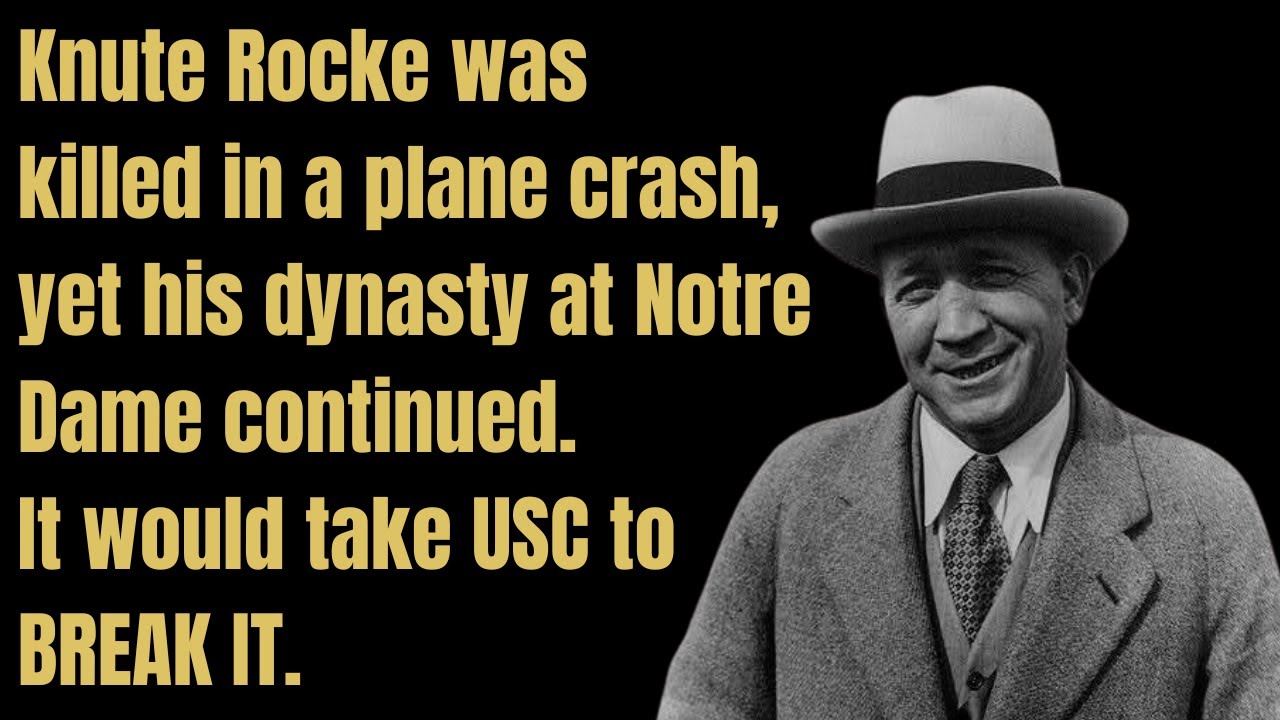
Frank Thomas, Alabama’s head coach — a man who had played quarterback at Notre Dame under Knute Rockne, which is to say he came up inside the American tradition of shifts and misdirection and making a defense guess wrong — told a Pittsburgh Press columnist that this was the finest defensive unit he had ever seen. It was the only team he ever saw, he said, that was impossible to fool even one time in a ball game.
The vote had already been taken
The schedule objection is fair, and it should be said out loud. Sewanee had no business in the Southeastern Conference. Chattanooga and Mercer were not major programs. The Citadel finished the year 3-8. Four of the ten opponents could not have beaten Tennessee with twelve men on the field. The other six were SEC teams, and Alabama came in ranked eighth, LSU eighteenth, with Vanderbilt, Kentucky and Auburn making up the rest.
The Associated Press had only been polling since 1936, and in 1939 the first ballot did not come out until October 16, four weeks into the season. Tennessee was fifth going into the Alabama game. After Alabama they were first, and they stayed first through Mercer, through LSU, through the Citadel. On November 18 they beat Vanderbilt to go 8-0 with 186 points scored and none allowed, and in that week’s ballot Tennessee held 66 of the 85 first-place votes.
In the next round they had 33. Thirty-three writers who had voted Tennessee first stopped doing it, and Texas A&M — which had received no first-place votes at all the week before — took the top spot with 38. It kept going. In the round after that, Texas A&M and USC tied for first with 939 points apiece, Cornell led every team in the country in first-place votes with 34 and finished third, and Tennessee fell to fourth.
Alabama’s coach had called them the finest defense he had ever seen. The math was undeniable. The AP writers did not care about the math. The final poll came out on December 12: Texas A&M with 1,091 points and 55 first-place votes, Tennessee 970 and 26, USC 891, Cornell 889.
Second, for the second consecutive year. In 1938 they had finished undefeated behind TCU. In 1939 they finished undefeated and unscored upon, behind a team they never played.
Texas A&M deserved it on the merits, which is the part that makes this harder rather than easier. Homer Norton’s Aggies went 11-0 behind fullback John Kimbrough, shut out six opponents, and allowed 54 first downs and 763 yards for the entire season — 1.71 yards per play. They outscored their opposition 212 to 31. Tennessee outscored its opposition 212 to nothing.
Pasadena, and the games that did not count
Tennessee had choices. The Sugar Bowl offered a berth on November 25. The Vols were in the mix for the Cotton Bowl, which would have put them across the field from the Aggies — the team that had just taken the title, in the only game that could have settled it.
They went to Pasadena. The Rose Bowl committee did not extend official invitations until December 10, because until December 9 nobody knew who the western team would be. That afternoon USC and UCLA played to a scoreless tie in front of 103,303 people at the Los Angeles Memorial Coliseum, and the Pacific Coast Conference voted to send USC.
Howard Jones had done this before. Twelve months earlier, in that same stadium, Wallace Wade’s 1938 Duke team arrived nine games undefeated and unscored upon. Early in the fourth quarter Tony Ruffa kicked a 23-yard field goal to put Duke ahead 3-0, and Duke’s season was a quarter away from perfect. Jones sent in a quarterback named Doyle Nave, who had played 28 minutes all season. Nave completed four straight passes to a sophomore end called Al Krueger, the last a nineteen-yarder in the corner of the end zone with about a minute left. Seven to three — the only points scored against Duke all year.
January 1, 1940. Ninety-two thousand two hundred people in Pasadena. George Cafego played on a knee that had been wrecked against the Citadel seven weeks earlier. Early on he dropped back to pass and was buried well behind the line of scrimmage. USC took the ball and ran off three consecutive first downs. Ambrose Schindler ran for one touchdown and threw for another. USC 14, Tennessee 0. Twenty-three straight wins ended, fourteen months without allowing a point ended, and Tennessee walked off the field having been shut out.
Except it was not over, because the bowl game did not count.
The Rose Bowl was not excused from the streak on a technicality. It was invisible. The NCAA only started keeping football statistics in 1937, and it did not collect numbers from the postseason at all — not yards, not points, not shutouts. There were not many bowl games in those days, only a handful of teams ever played in one, and the games were understood as something closer to exhibitions, a reward for the season rather than part of it.
So Tennessee lost 14-0 and the streak did not so much as flinch. It had started against LSU in 1938, run through four shutouts to close that season and ten more in 1939, and then Tennessee opened 1940 and kept going — Mercer, Duke, Chattanooga. On October 19, 1940, Alabama scored. Tennessee won that game 27-12.
That is how it ends. In a comfortable win, in the fourth game of a season, against a team Tennessee beat by fifteen points. Seventeen consecutive regular-season shutouts. Four hundred seventy-nine points to nothing. Seventy-one consecutive scoreless quarters. Both records still stand, and neither has been seriously approached in eighty-six years.
Tennessee went undefeated in the 1940 regular season too, a third straight, and lost the Sugar Bowl to Boston College 19-13. That one did not count either. The NCAA did not begin counting postseason games in its official statistics until 2002 — sixty-two years later, when there were twenty-eight bowls on the schedule and a national championship game among them, and the old logic had stopped making sense to anybody. Even then the change only applied going forward. The NCAA declined to reach back and recalculate what had already happened. The streak stands exactly as it was entered, and the points USC and Boston College put on Neyland in those two bowls are still filed somewhere else entirely.
A championship handed out 65 years late
The men who played on that Tennessee defense eventually grew old, but the argument over who deserved the 1939 title never died. It was resurrected 65 years later by an economics professor’s math formula.
Frank Dickinson taught economics at the University of Illinois. In the mid-1920s, watching what Red Grange was doing and dissatisfied with the dozen or so people around the country declaring national champions on no particular basis, he built a formula. Teams got points for winning, and the points varied depending on whether the opponent had a winning record and how that opponent had done outside its own conference — a strength-of-schedule component, in 1926. It caught on. Newspapers carried it. He extended it to high school, where it decided state championships in several states. Before the AP started polling in 1936, the Dickinson System was the closest thing college football had to an authority, and the team that finished on top of it received the Knute Rockne Memorial Trophy.
In December 1939 Frank Dickinson gave that trophy to USC. His reasoning was that USC was the best team in the strongest section of the country, and that the other contenders had not played schedules as difficult. That is the schedule argument. Dickinson shut the system down in 1940 and went to work for the federal government on defense matters. USC was his second-to-last champion.
Eight selectors were operating in 1939. Six picked Texas A&M. One picked Cornell. One picked USC. And the count that follows from it: Tennessee, unscored upon in ten games, was nobody’s national champion.
On July 26, 2004, USC athletic director Mike Garrett announced that the university would recognize the 1939 Trojans as national champions. He said it had been brought to their attention by various individuals that they should be claiming it, that they had taken the matter seriously, done significant research, and determined it to be true. That October, USC honored the surviving members of the 1939 squad at a home game against Arizona State.
For whatever it is worth, Dickinson’s 1938 champion was an 8-1 Notre Dame team. Notre Dame has never claimed it.
The last autumn before
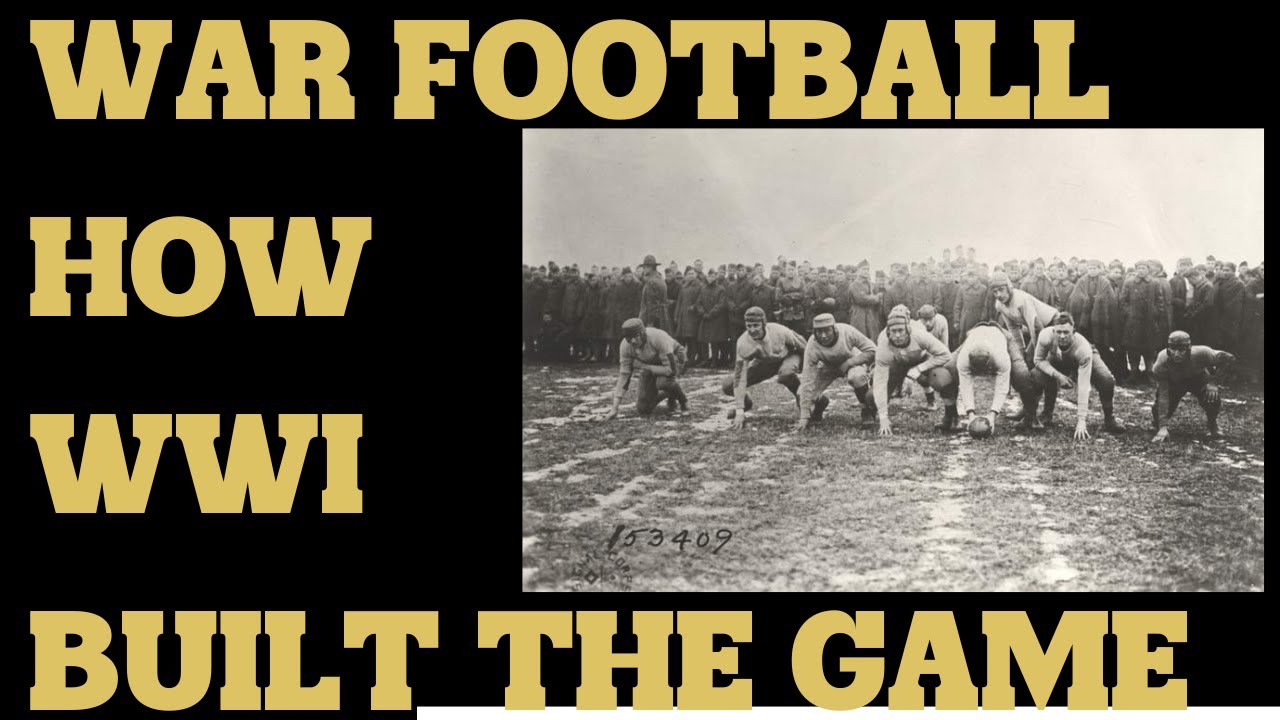
In early September 1939, Germany invaded Poland. Somewhere in the first weeks of that season, Neyland told his fullback Len Coffman that they were going to war soon and to be ready for it. He said that before the first game. The most complete defensive season in the history of American football was built by a man who already knew what was coming and told his players so.
Neyland left Knoxville in 1941. He was on active duty from 1941 to 1946 — Norfolk, Dallas, China, Calcutta — moving Allied supply through the China-Burma-India theater. He came home a brigadier general with the Distinguished Service Medal, the Legion of Merit with two oak leaf clusters, the Chinese Order of the Cloud and Banner, and an honorary knighthood from the British. He came back to Knoxville and built one more national champion in 1951. He stepped away from coaching after the 1952 season and stayed on as athletic director. He died in 1962 at 70.
The record is still there. Seventeen games, 479 points, none allowed. Ten of those games came in 1939, and no one reached the end zone. They were kids from grocery stores and farms who would not have seen a college campus without a scholarship, coached by a river engineer, in the last autumn before the world went to pieces.
Nobody has done it since.