




















Explore Videos by:

Play Video

Related Videos

Bummy Booth and the 1902 Nebraska Football Team That Started Everything

In 1899, Nebraska football had their first losing season, with one win, seven losses, and one tie, being outscored 154 to 43.
Show More

Nebraska football history didn’t begin with Tom Osborne’s dynasties or Bob Devaney’s national championships. It began with a losing season, a Princeton man hired for $600 a year, and a 1902 team that went 9-0 and outscored every opponent it faced by a combined score of 186-0.

This is the forgotten origin story of Nebraska football — and it deserves to be told.

Rock Bottom in 1899

Nebraska had been playing football since 1890 and had grown accustomed to winning. Then 1899 happened. Head coach Alonzo Edwin Branch presided over a season of one win, seven losses, and one tie. Nebraska was outscored 154-43. Branch did not return. The program had burned through nine coaches in eleven years. Something had to change.

The university’s answer was Walter Cowles Booth — known to everyone as Bummy. Booth had played football at Princeton, one of the Big Four programs alongside Yale, Harvard, and Penn. Princeton men were highly sought after as coaches across the country, and Nebraska landed one for $600 a year.

Booth’s Immediate Impact

The turnaround was instant. In his first season, Booth went 6-1, outscoring his first six opponents 100-0 before losing to powerhouse Minnesota at the end of the year. The 1901 season brought a 6-2 record, with both losses coming against Minnesota and Wisconsin — Western Conference programs that were among the best in the country. Nebraska was playing as an independent, without the resources or scheduling advantages of conference membership. Losing to those programs wasn’t embarrassing. It was informative.

Booth studied the losses and kept building. What he was constructing was more than a winning record. He was building a football identity for a program that had never had one.

The 1902 Season: Undefeated and Unscored Upon

The 1902 Nebraska football team was something special. Nine games. Nine wins. One hundred eighty-six points scored. Zero points allowed. Not a single opponent put a point on the board against Nebraska that entire season.

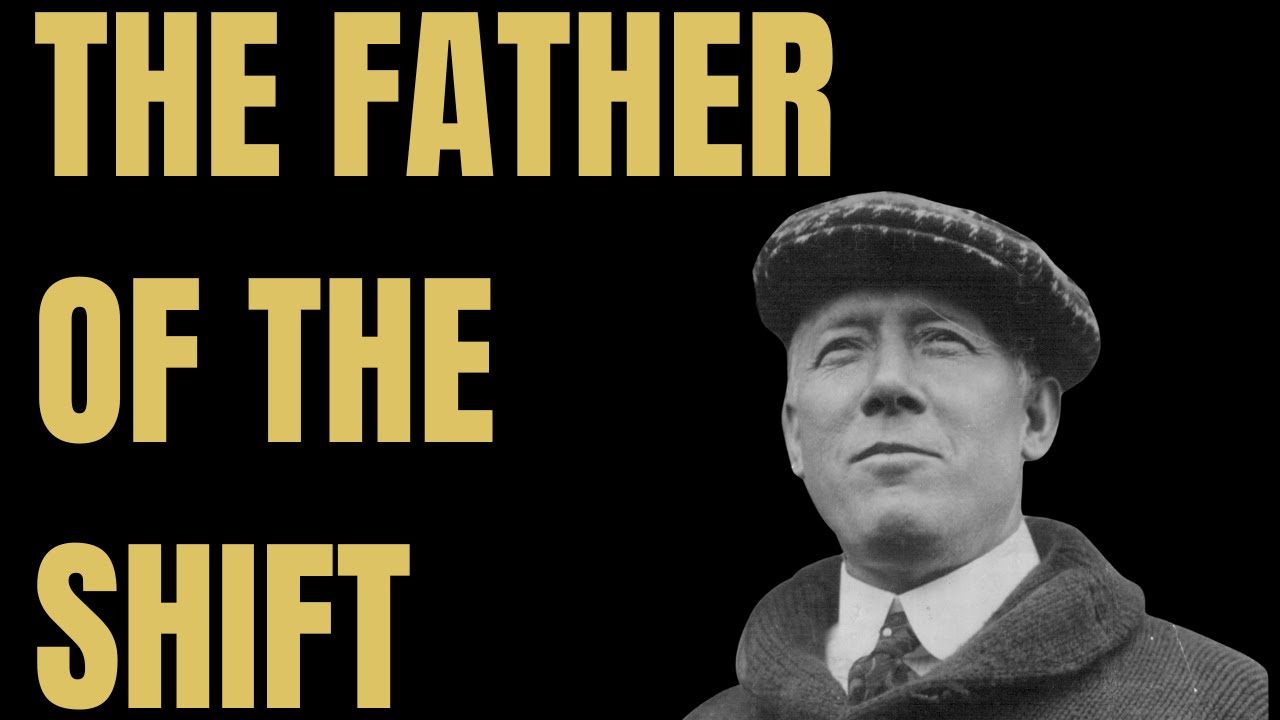
The signature win came on October 18th, 1902, when Nebraska defeated Minnesota 6-0. It was the first Nebraska victory over a Western Conference program — the forerunner of what would become the Big Ten. Minnesota’s coach was Henry L. Williams, a former Yale player nationally known for inventing the tackle-back formation and what was called the Minnesota Shift, the forerunner of modern pre-snap motion. Williams Arena, where Minnesota’s basketball team plays today, is named in his honor. Beating his team was not a minor achievement.

After Minnesota, Nebraska dispatched Missouri, Haskell, Kansas, Knox, and Northwestern — another Western Conference member — without allowing a single point. The 1902 season launched a 24-game winning streak that wasn’t broken until a loss to Colorado in 1904. For context, that streak would stand as Nebraska’s longest until the 1994-1996 teams ran off 26 consecutive wins before losing to Arizona State.

Johnny Bender: The Sutton Comet

No account of the 1902 Nebraska football team is complete without Johnny Bender. Born in Sutton, Nebraska, Bender earned the nicknames the Sutton Comet and the Twister during his playing days. He lettered five years at Nebraska — eligibility rules were considerably more relaxed in that era — served as team captain, and when he left the program he held the national record for most points ever scored by a college football player.

Bender’s post-playing career is one of the strangest and most entertaining footnotes in college football history. He became a coach and athletic administrator, and wherever he went, he left a nickname behind.

At St. Louis University, reporters noted that Bender resembled a Billiken — a good-luck charm figure popular at the time. His teams became known as Bender’s Billikens. St. Louis University still goes by the Billikens today, known primarily for basketball after dropping football in 1949.

At Kansas State, Bender gave the program its Wildcats nickname and started their homecoming tradition — a tradition that continues over a century later.

At Houston, where he served as a physical education instructor, Bender is credited with giving the program its Cougars nickname. The story that he also gave Washington State their Cougar nickname exists in some accounts, though Washington State’s own records don’t confirm it. Whatever the full truth, Johnny Bender from Sutton, Nebraska gave at least two major college programs their identities — and possibly three.

He died on July 4th, 1928, at the age of 46, from complications following gallstone surgery. He is enshrined in the Nebraska Athletic Hall of Fame. For a man who left that kind of legacy, 46 years wasn’t nearly enough.

Booth’s Legacy at Nebraska

Walter Booth left Nebraska after the 1905 season over a salary dispute. He was earning $2,000 a year by then — a significant increase from his starting salary of $600 — but felt it wasn’t sufficient. The university administration disagreed. Booth returned east, joined a law firm, and eventually made his living in the insurance industry until his death on April 5th, 1944, in Manhattan.

His final record at Nebraska was 46 wins, 8 losses, and 1 tie — a winning percentage of .845. That ranks second in Nebraska football history, behind only Ewald Stiehm’s .913 from 1911 to 1915, and just ahead of Tom Osborne’s career mark of .836. The man whose name most Nebraska fans have never heard finished with a better winning percentage than the most celebrated coach in program history.

Booth’s true legacy isn’t in the numbers. Nebraska football history traces its national ambitions directly to what he built between 1900 and 1905. His wins over Western Conference programs — Minnesota and Northwestern — announced that Nebraska was a program worth watching. It would take until 1915 for Nebraska to achieve full national recognition. But the foundation was laid on a practice field in Lincoln, by a Princeton man earning $600 a year, obsessed with turning a losing program into something that would last.

He succeeded beyond anything anyone could have imagined in 1899.

Hardcore College Football History covers the forgotten stories and foundational moments that shaped college football. Subscribe for more documentary-style deep dives into the history of the game.

Nebraska football history didn’t begin with Tom Osborne’s dynasties or Bob Devaney’s national championships. It began with a losing season, a Princeton man hired for $600 a year, and a 1902 team that went 9-0 and outscored every opponent it faced by a combined score of 186-0.

This is the forgotten origin story of Nebraska football — and it deserves to be told.

Rock Bottom in 1899

Nebraska had been playing football since 1890 and had grown accustomed to winning. Then 1899 happened. Head coach Alonzo Edwin Branch presided over a season of one win, seven losses, and one tie. Nebraska was outscored 154-43. Branch did not return. The program had burned through nine coaches in eleven years. Something had to change.

The university’s answer was Walter Cowles Booth — known to everyone as Bummy. Booth had played football at Princeton, one of the Big Four programs alongside Yale, Harvard, and Penn. Princeton men were highly sought after as coaches across the country, and Nebraska landed one for $600 a year.

Booth’s Immediate Impact

The turnaround was instant. In his first season, Booth went 6-1, outscoring his first six opponents 100-0 before losing to powerhouse Minnesota at the end of the year. The 1901 season brought a 6-2 record, with both losses coming against Minnesota and Wisconsin — Western Conference programs that were among the best in the country. Nebraska was playing as an independent, without the resources or scheduling advantages of conference membership. Losing to those programs wasn’t embarrassing. It was informative.

Booth studied the losses and kept building. What he was constructing was more than a winning record. He was building a football identity for a program that had never had one.

The 1902 Season: Undefeated and Unscored Upon

The 1902 Nebraska football team was something special. Nine games. Nine wins. One hundred eighty-six points scored. Zero points allowed. Not a single opponent put a point on the board against Nebraska that entire season.

The signature win came on October 18th, 1902, when Nebraska defeated Minnesota 6-0. It was the first Nebraska victory over a Western Conference program — the forerunner of what would become the Big Ten. Minnesota’s coach was Henry L. Williams, a former Yale player nationally known for inventing the tackle-back formation and what was called the Minnesota Shift, the forerunner of modern pre-snap motion. Williams Arena, where Minnesota’s basketball team plays today, is named in his honor. Beating his team was not a minor achievement.

After Minnesota, Nebraska dispatched Missouri, Haskell, Kansas, Knox, and Northwestern — another Western Conference member — without allowing a single point. The 1902 season launched a 24-game winning streak that wasn’t broken until a loss to Colorado in 1904. For context, that streak would stand as Nebraska’s longest until the 1994-1996 teams ran off 26 consecutive wins before losing to Arizona State.

Johnny Bender: The Sutton Comet

No account of the 1902 Nebraska football team is complete without Johnny Bender. Born in Sutton, Nebraska, Bender earned the nicknames the Sutton Comet and the Twister during his playing days. He lettered five years at Nebraska — eligibility rules were considerably more relaxed in that era — served as team captain, and when he left the program he held the national record for most points ever scored by a college football player.

Bender’s post-playing career is one of the strangest and most entertaining footnotes in college football history. He became a coach and athletic administrator, and wherever he went, he left a nickname behind.

At St. Louis University, reporters noted that Bender resembled a Billiken — a good-luck charm figure popular at the time. His teams became known as Bender’s Billikens. St. Louis University still goes by the Billikens today, known primarily for basketball after dropping football in 1949.

At Kansas State, Bender gave the program its Wildcats nickname and started their homecoming tradition — a tradition that continues over a century later.

At Houston, where he served as a physical education instructor, Bender is credited with giving the program its Cougars nickname. The story that he also gave Washington State their Cougar nickname exists in some accounts, though Washington State’s own records don’t confirm it. Whatever the full truth, Johnny Bender from Sutton, Nebraska gave at least two major college programs their identities — and possibly three.

He died on July 4th, 1928, at the age of 46, from complications following gallstone surgery. He is enshrined in the Nebraska Athletic Hall of Fame. For a man who left that kind of legacy, 46 years wasn’t nearly enough.

Booth’s Legacy at Nebraska

Walter Booth left Nebraska after the 1905 season over a salary dispute. He was earning $2,000 a year by then — a significant increase from his starting salary of $600 — but felt it wasn’t sufficient. The university administration disagreed. Booth returned east, joined a law firm, and eventually made his living in the insurance industry until his death on April 5th, 1944, in Manhattan.

His final record at Nebraska was 46 wins, 8 losses, and 1 tie — a winning percentage of .845. That ranks second in Nebraska football history, behind only Ewald Stiehm’s .913 from 1911 to 1915, and just ahead of Tom Osborne’s career mark of .836. The man whose name most Nebraska fans have never heard finished with a better winning percentage than the most celebrated coach in program history.

Booth’s true legacy isn’t in the numbers. Nebraska football history traces its national ambitions directly to what he built between 1900 and 1905. His wins over Western Conference programs — Minnesota and Northwestern — announced that Nebraska was a program worth watching. It would take until 1915 for Nebraska to achieve full national recognition. But the foundation was laid on a practice field in Lincoln, by a Princeton man earning $600 a year, obsessed with turning a losing program into something that would last.

He succeeded beyond anything anyone could have imagined in 1899.

Hardcore College Football History covers the forgotten stories and foundational moments that shaped college football. Subscribe for more documentary-style deep dives into the history of the game.

Leave a Reply

Your email address will not be published. Required fields are marked *