



































Explore Videos by:

Play Video

Related Videos

The Tush Push vs. Mass Plays: Why the Comparison Gets Football History Wrong

Is the Tush Push a Mass Play?
Show More

The tush push debate has divided NFL fans for two seasons. Is it legal? Is it fair? Should the NFL ban it? These are reasonable football questions. But one comparison keeps surfacing that deserves a harder look — the claim that the Philadelphia Eagles’ famous quarterback sneak is a mass play, a dangerous echo of the brutal formations that nearly destroyed football over a century ago.

It isn’t. And understanding why it isn’t requires a trip into the most violent and fascinating chapter in college football history.

What the Tush Push Actually Is

When the Eagles line up for the tush push in short yardage situations, the setup is straightforward. Jalen Hurts takes the snap under center with two or three players stacked directly behind him. The offensive line fires out low and hard at the snap, creating initial leverage. The players behind Hurts add their considerable weight, pushing him forward. The result, more often than not, is a first down or touchdown.

The play works for specific reasons. Hurts has exceptional lower body strength — he doesn’t just absorb the push, he drives through contact. The Eagles’ offensive line is among the best in the NFL at creating sustained leverage rather than just initial pop. And the timing of the push from the players behind is precisely coordinated. It’s a brilliantly designed play that leverages specific personnel strengths. Critics call it ugly. Defenses call it infuriating. The Eagles call it unstoppable.

What Mass Plays Actually Were

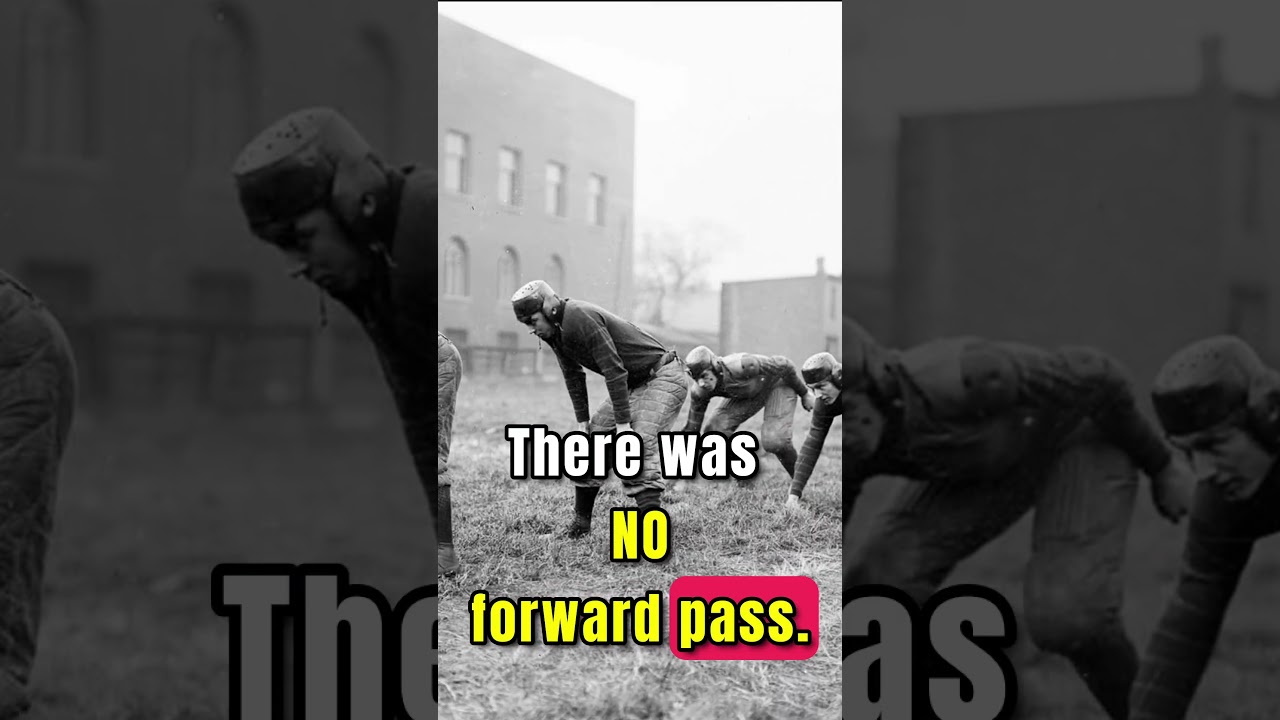
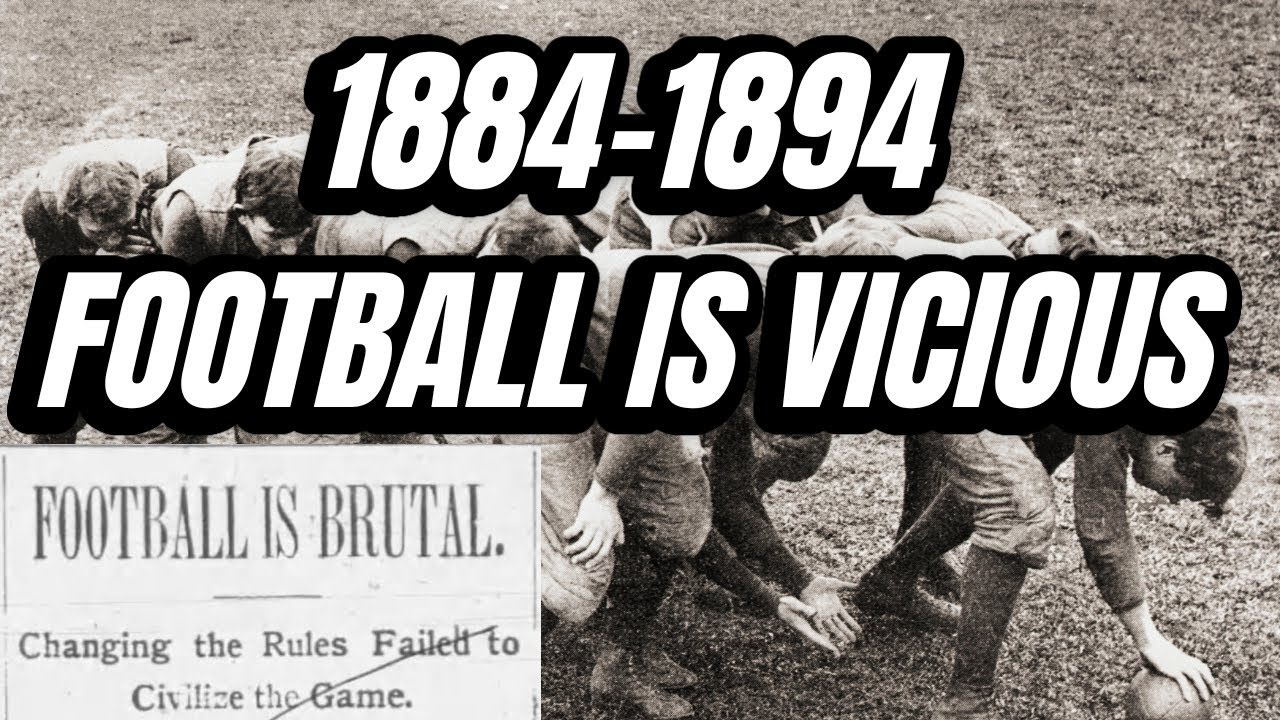
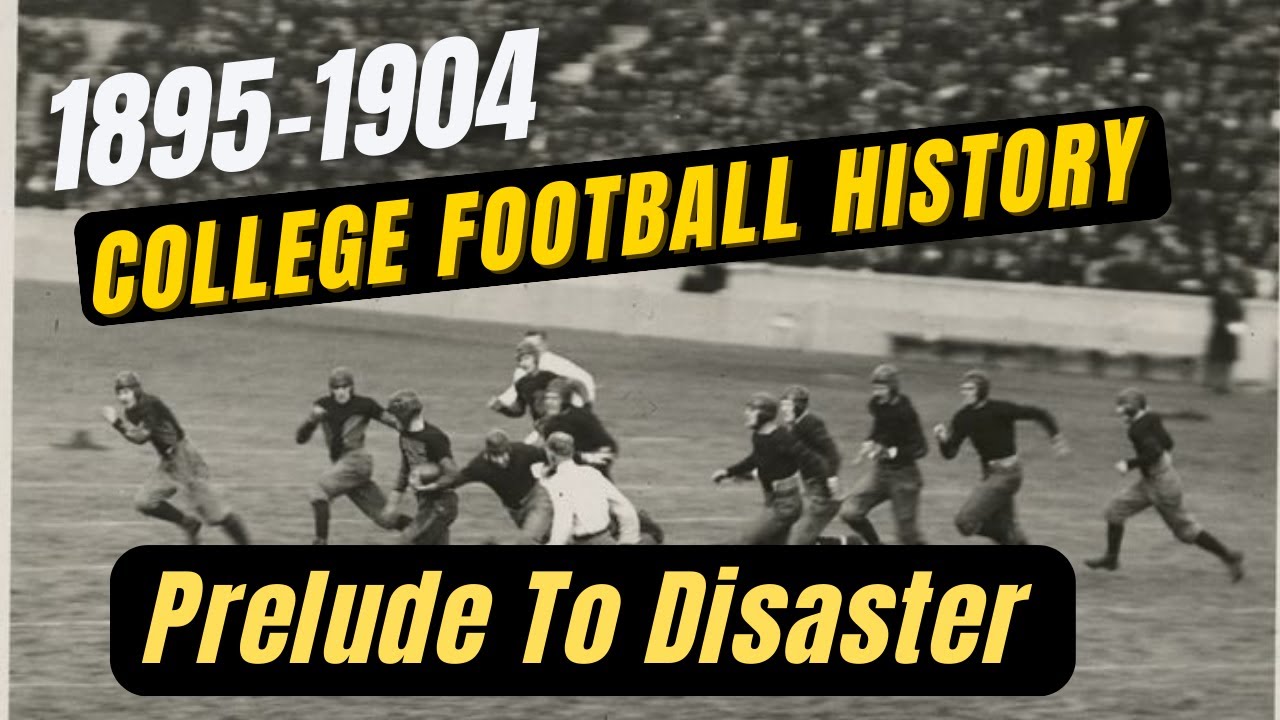
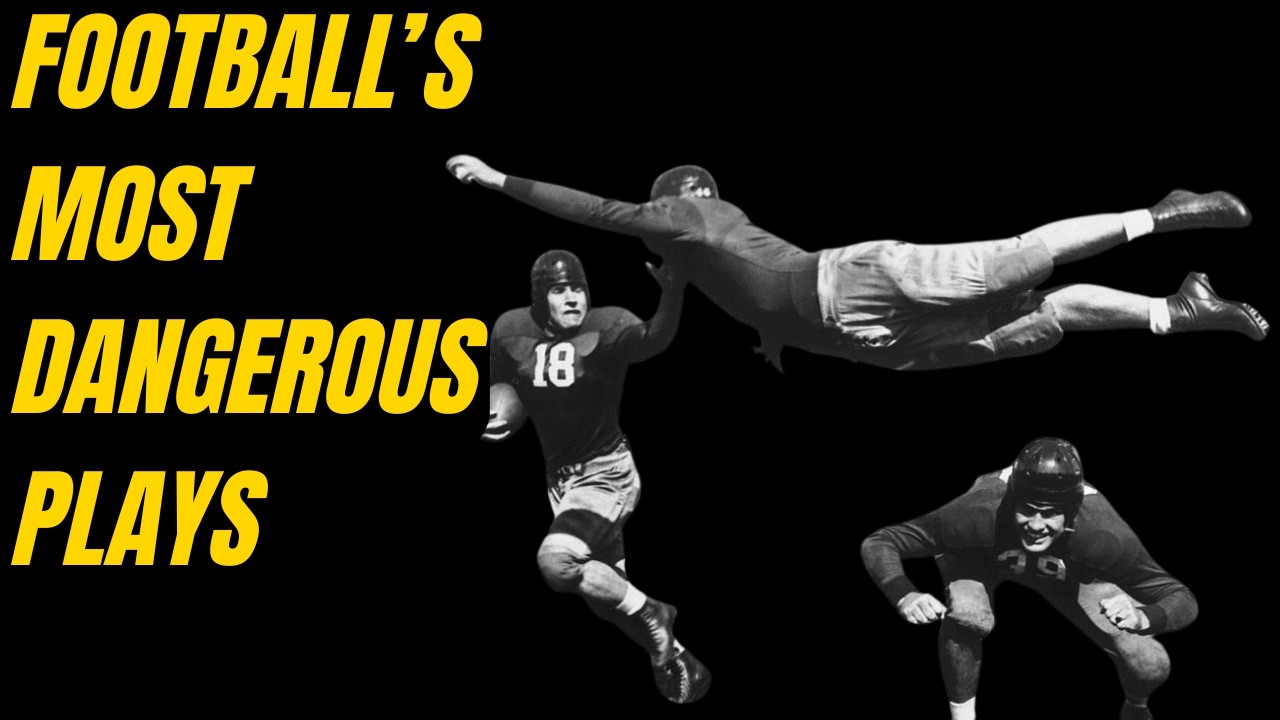
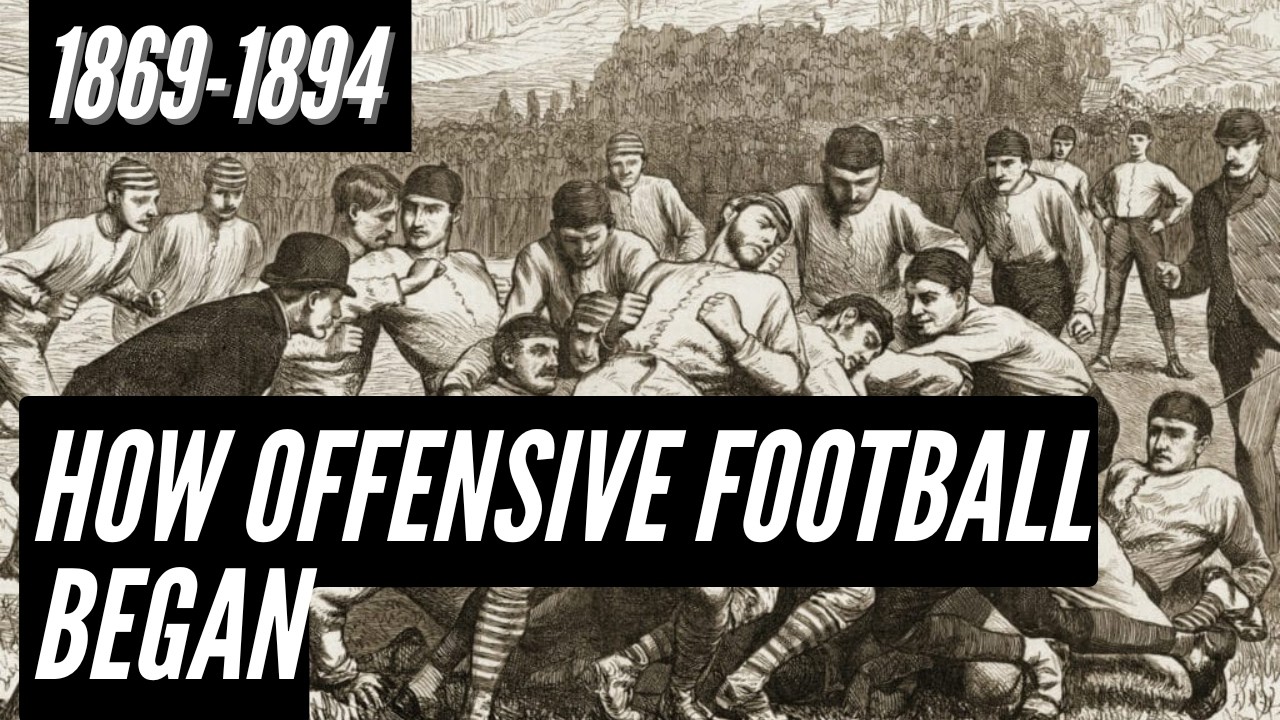
To understand why the tush push comparison fails, you need to understand what mass plays actually looked like. The era of mass plays in college football ran roughly from 1890 to 1910 — a period when football was genuinely dangerous, players died on the field regularly, and the sport faced multiple existential crises.

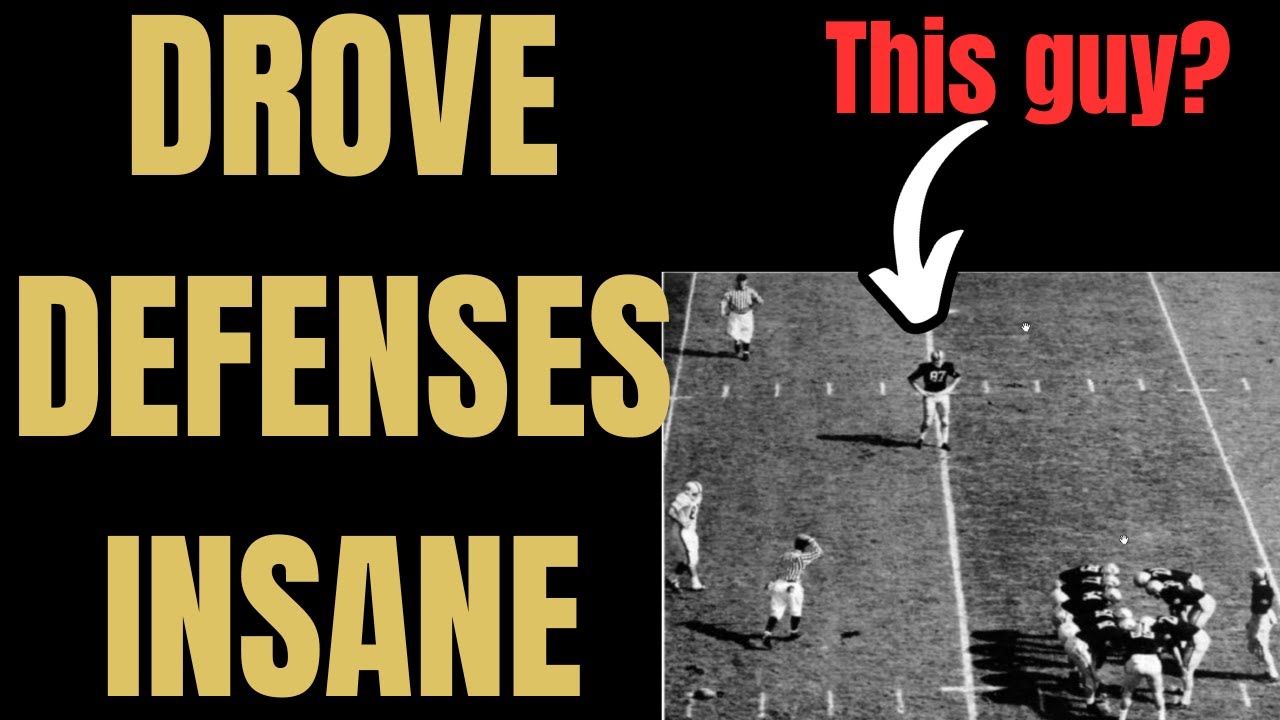
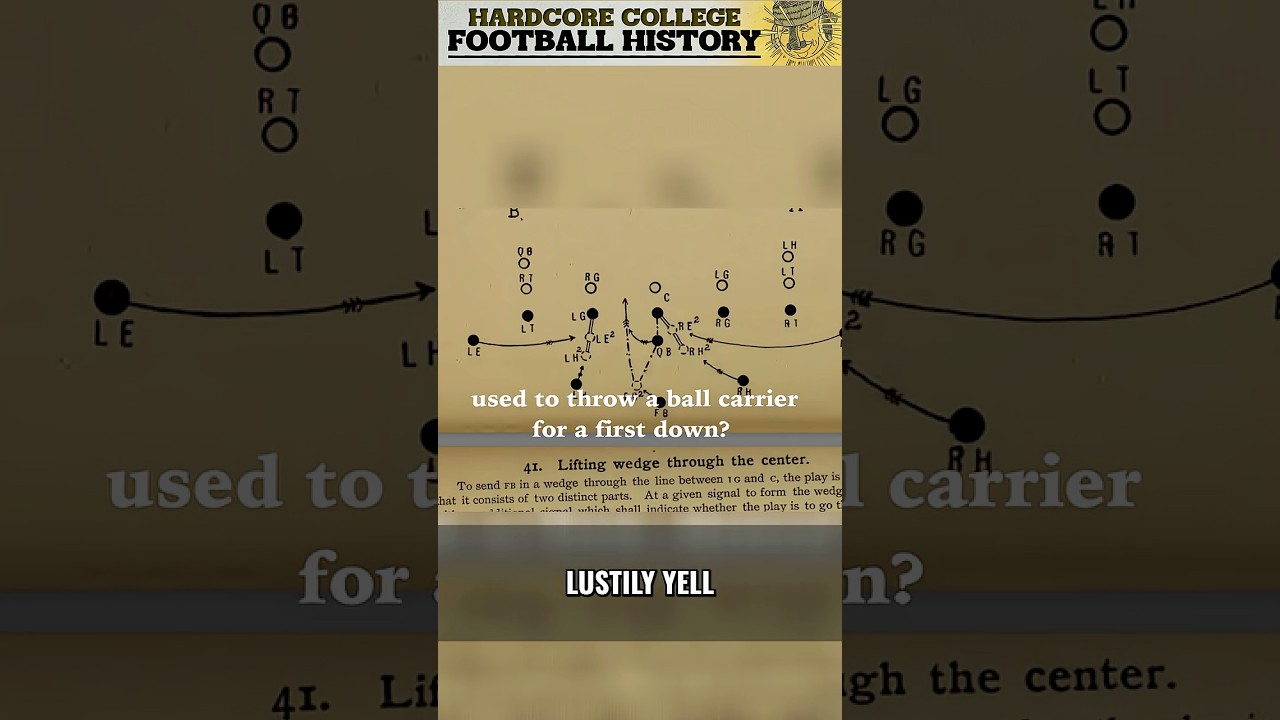
The most infamous mass play was the flying wedge, introduced by Harvard against Yale in 1892. The play began before the snap. Ten players divided into two groups and fell back to the 25-yard line on opposite sides of the field. On a signal, both groups charged forward at full speed, converging on the ball carrier just as he put the ball in play. By the time they reached him they were running at full speed — a concentrated mass of momentum aimed directly at stationary defenders. Historian Park Davis described the moment of impact as launching against the Yale men standing still in their tracks. Defenders had two options: throw themselves at the apex of the wedge and hope to upset it, or get run over.

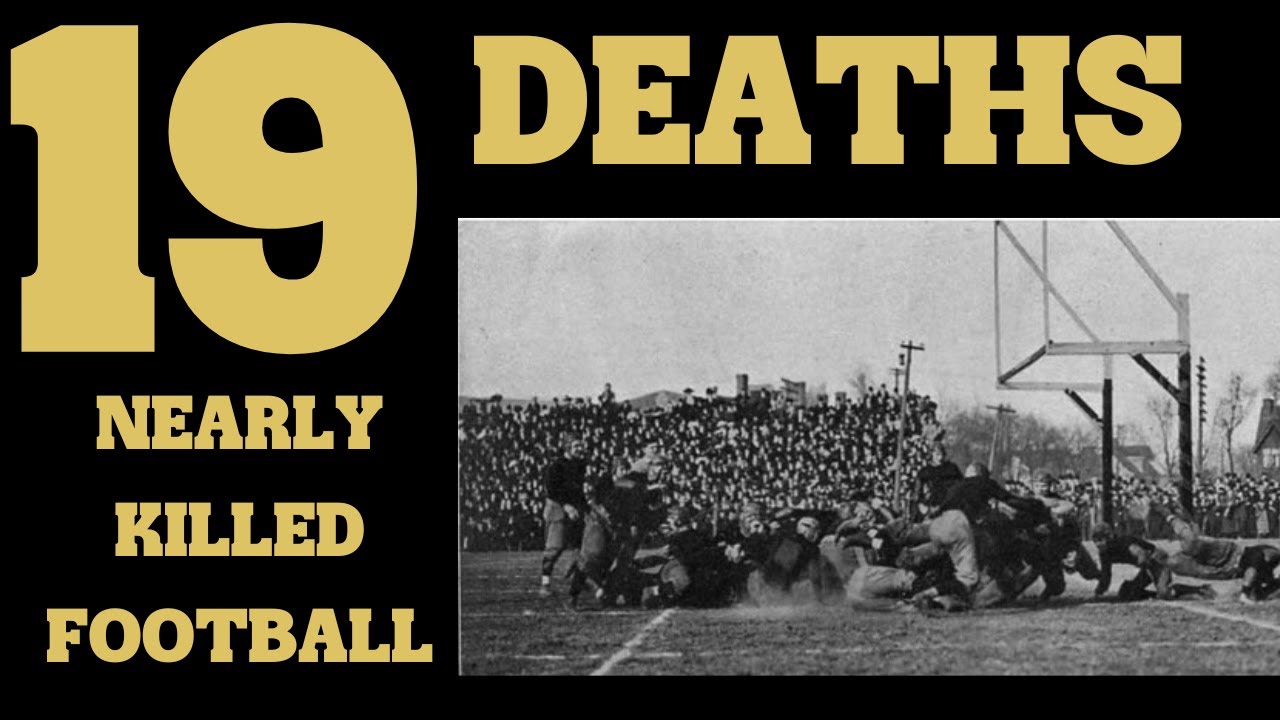
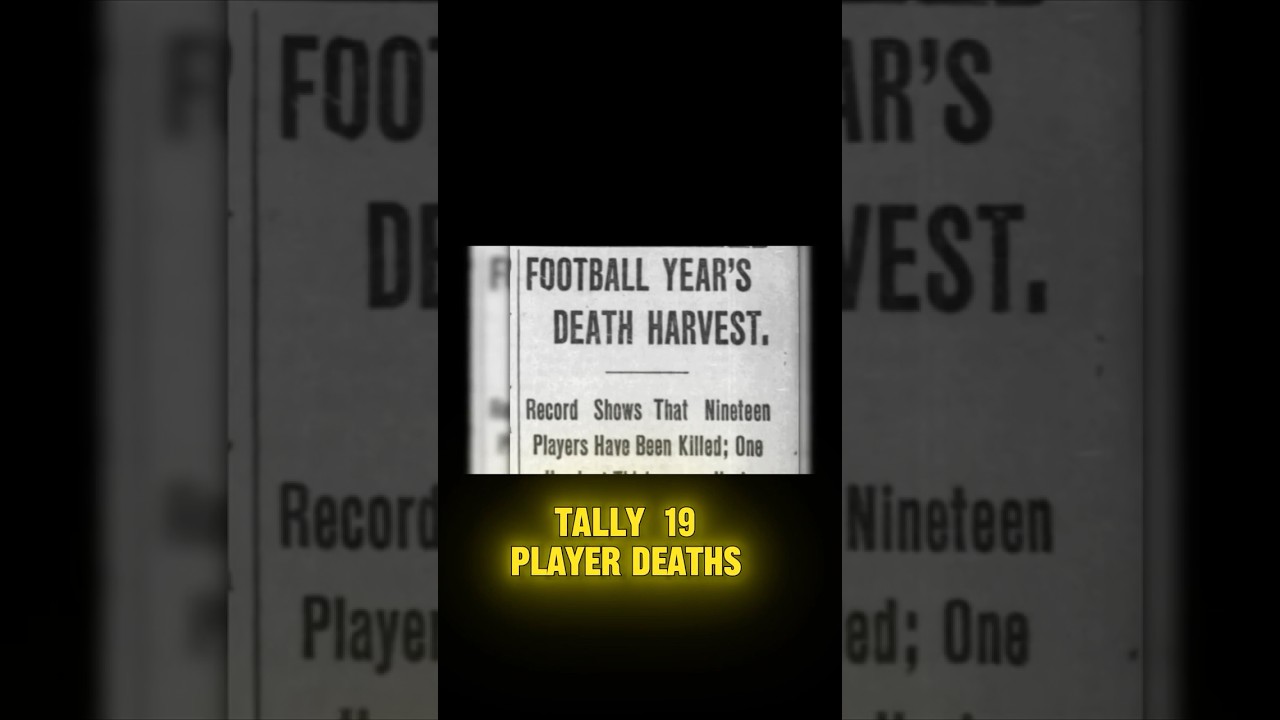
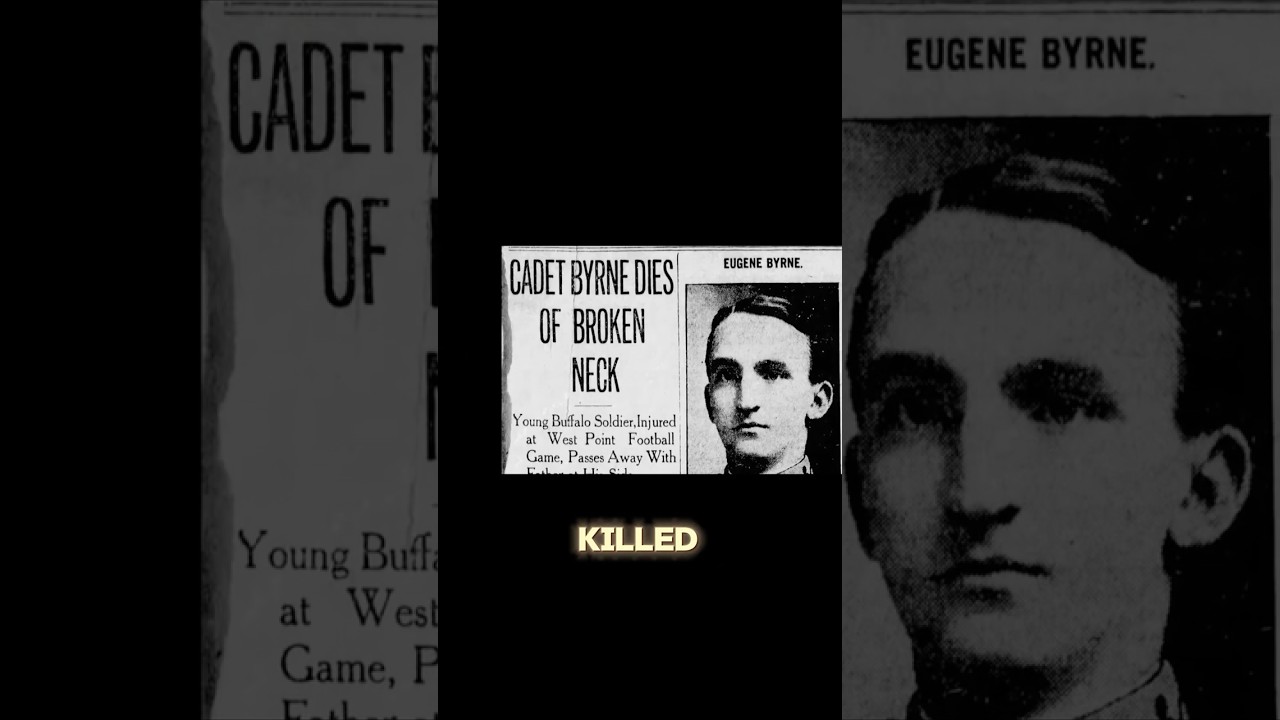
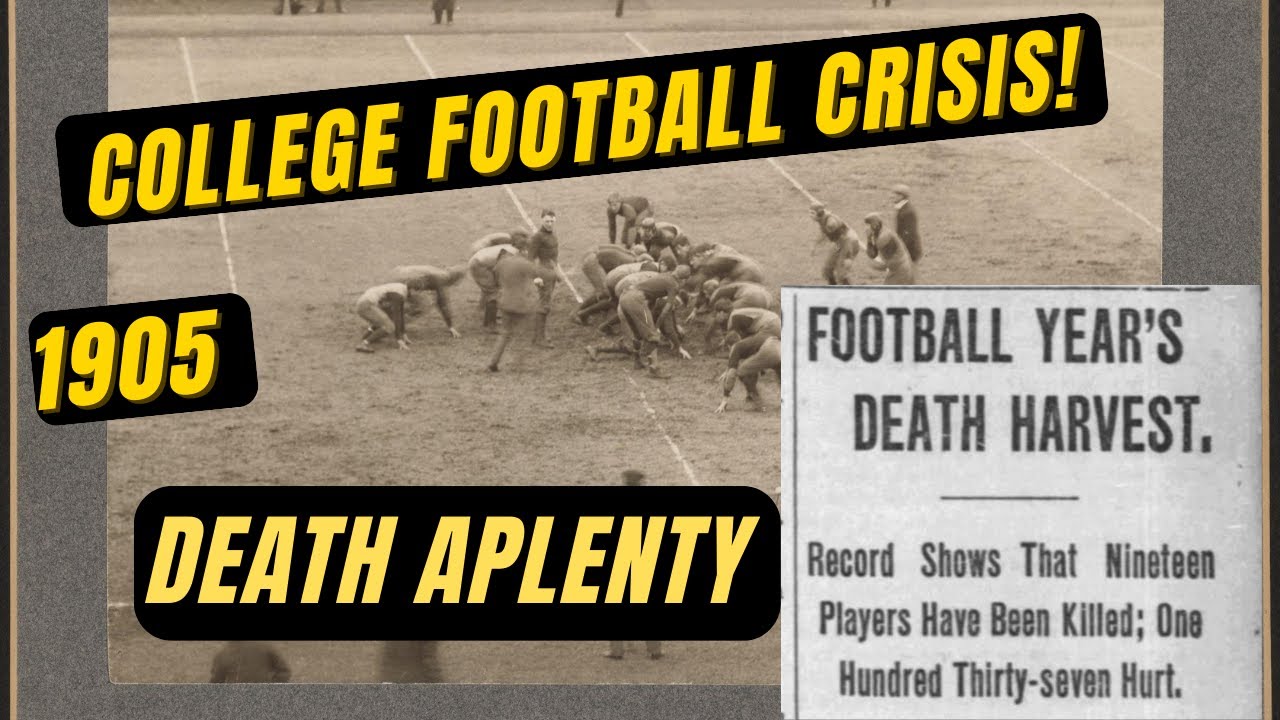
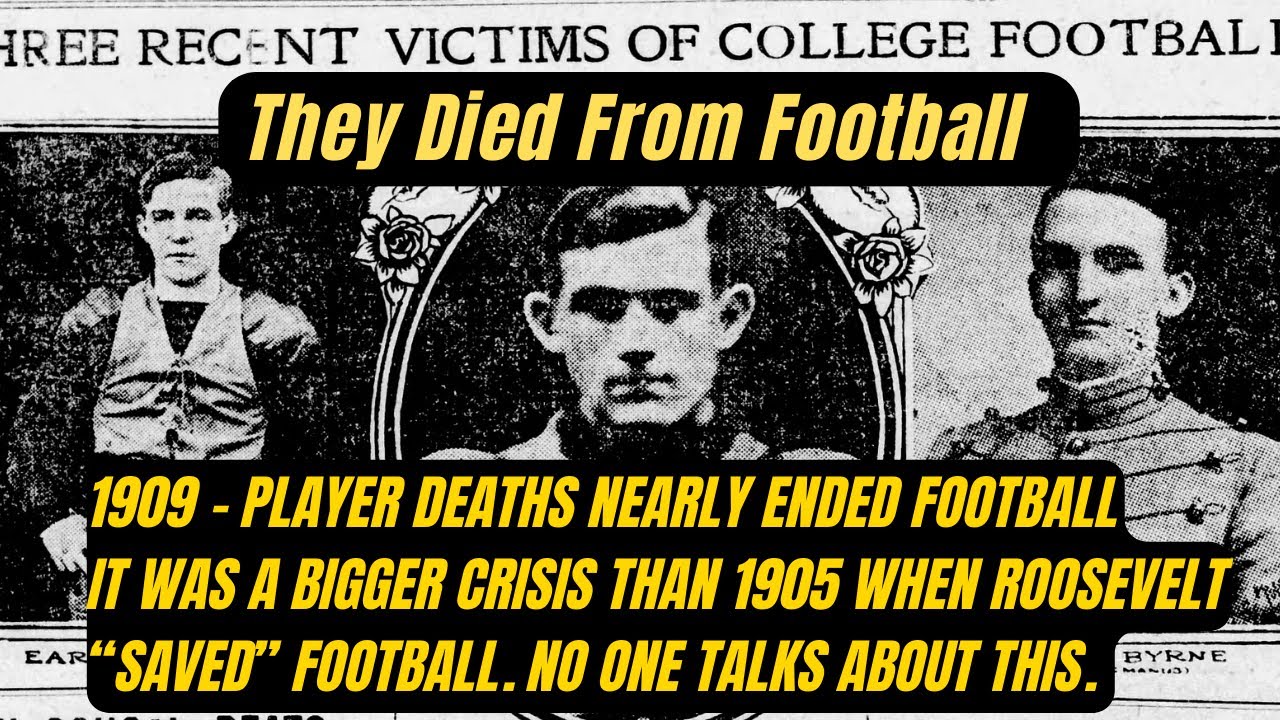
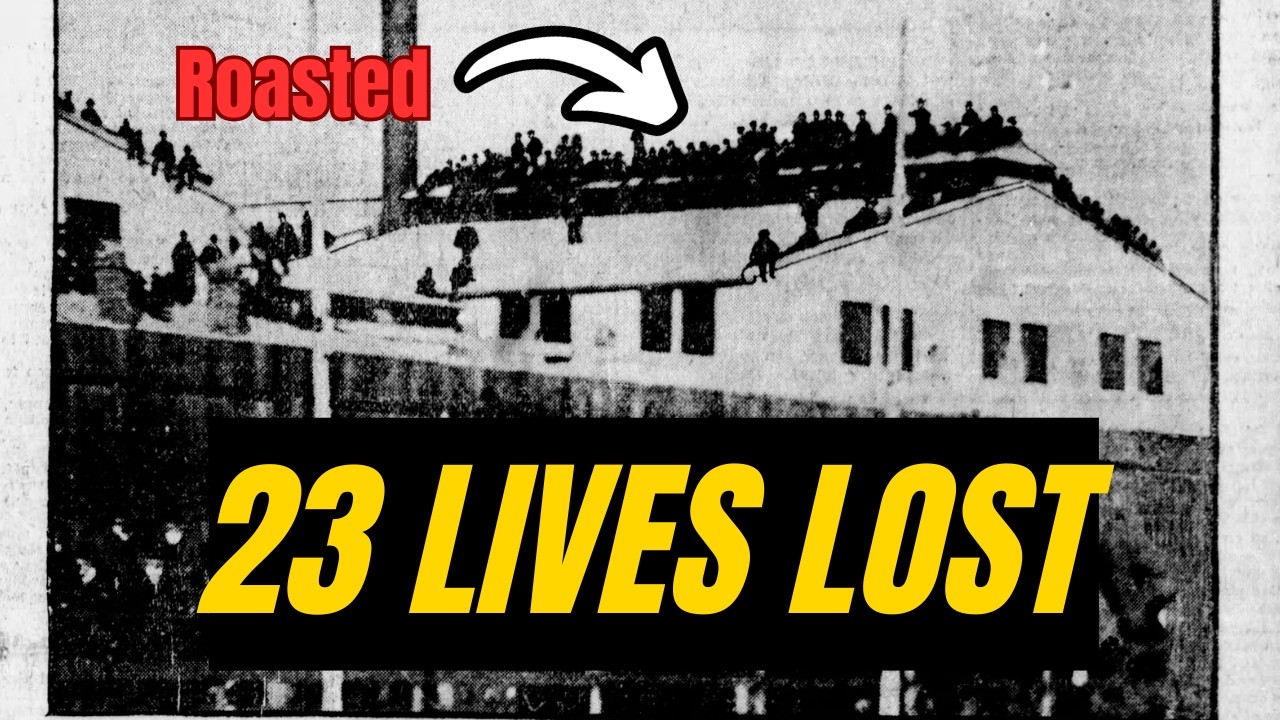
The results were predictable. Broken bones. Concussions. Internal injuries. Deaths. The flying wedge and plays like it produced the 1905 death harvest — 19 players killed in a single season — and the 1909 crisis in which Army tackle Eugene Byrne and Virginia halfback Archer Christian both died on the field within weeks of each other. These weren’t freak accidents. They were the direct result of playing the game according to its rules.

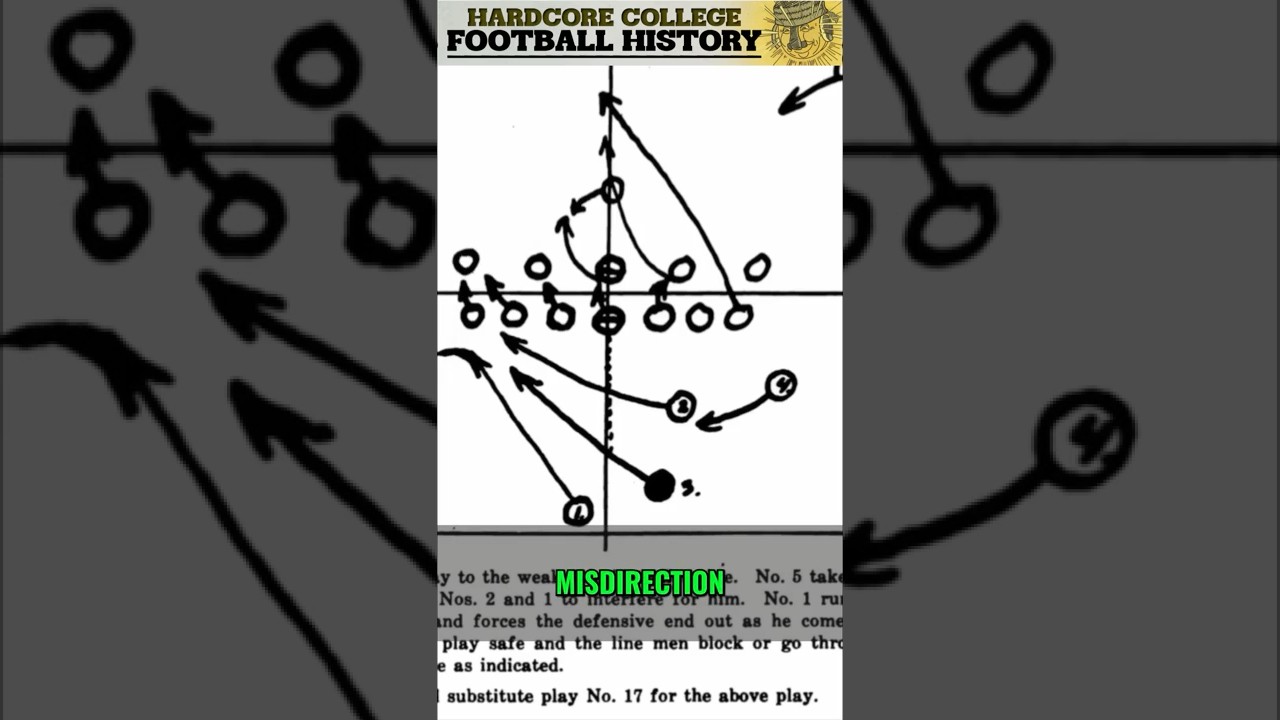
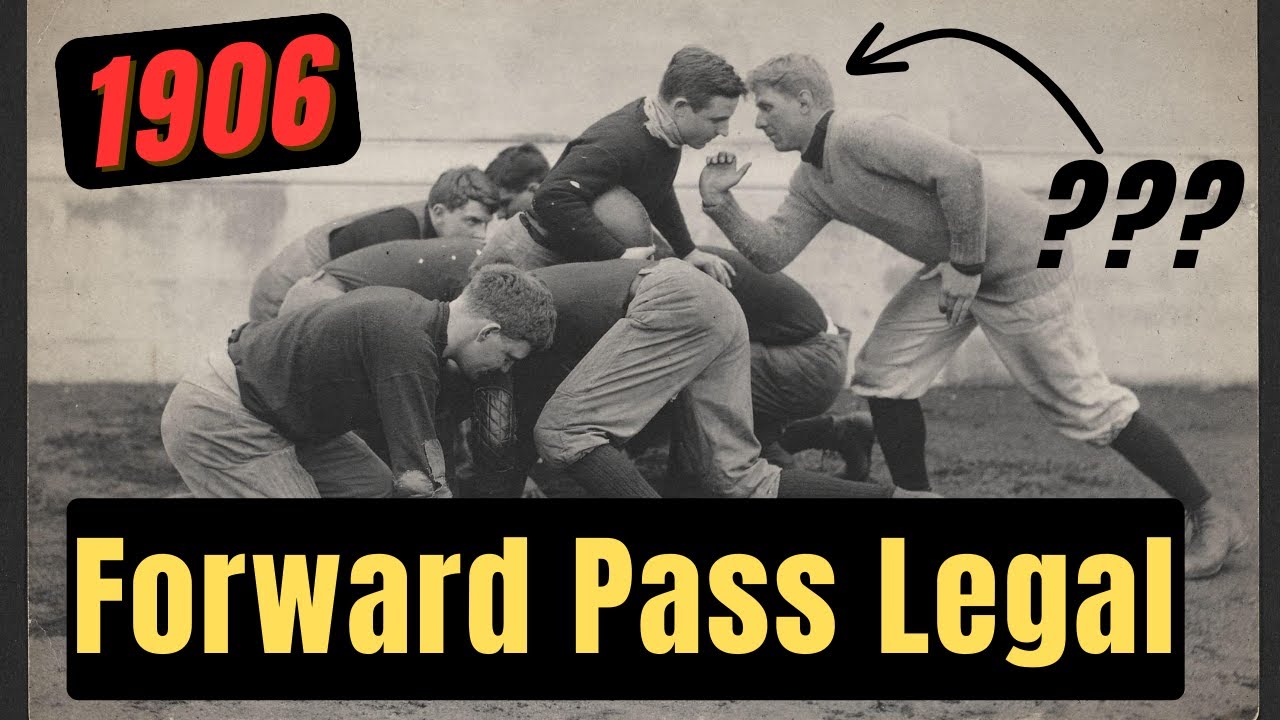
Other mass plays followed similar principles. In guards back and tackles back formations, offensive linemen pulled away from the line of scrimmage before the snap and led interference with momentum into a concentrated point on the defense. The intent was to obliterate a specific section of the defensive line with a concentrated human mass moving at speed. The 1906 rules changes banned momentum plays — formations where players moved before the snap — but left mass plays themselves intact. It took the deaths of 1909 and the sweeping 1910 reforms to finally eliminate them entirely.

Four Reasons the Tush Push Isn’t a Mass Play

The comparison between the tush push and historical mass plays sounds intuitive. Both involve multiple offensive players concentrating force at a single point. Both are designed to overpower the defense in short yardage situations. But the mechanics and the dangers are fundamentally different.

First, there is no pre-snap momentum. This is the critical distinction. The flying wedge and every mass play like it derived their danger from players building momentum before the snap — running at full speed into stationary defenders. In the tush push, every player is completely stationary until the ball is snapped. The force generated comes from a standing start, not a running one. That difference is not cosmetic. It is the entire reason momentum plays were banned in 1894.

Second, the Eagles maintain legal offensive line positioning. Historical mass plays like guards back and tackles back specifically pulled linemen away from the line of scrimmage to lead blocking with momentum. In the tush push, every offensive lineman stays in his legal position on the line of scrimmage and engages the defense directly at the snap — exactly as they would on any standard running play.

Third, the focus of the play is entirely different. Historical mass plays were designed to concentrate blockers to destroy a specific section of the defensive line — to obliterate defenders as the primary objective. The tush push is designed to support the ball carrier. Defenders are trying to stop Jalen Hurts, not absorb the full impact of multiple players running directly at them from distance.

Fourth, modern safety rules didn’t exist in the mass play era. Early football had no neutral zone — players lined up head to head and frequently began play by slugging each other. There were no rules against chop blocks, no restrictions on how linemen could use their hands, no pass interference, no targeting rules. The tush push operates within a comprehensive modern safety framework specifically designed to prevent the injuries that characterized the mass play era. Despite enormous scrutiny, it has not produced the catastrophic injury patterns that forced the banning of historical formations.

The Historical Verdict

The mass plays of 1890 to 1910 were banned because they killed people. The flying wedge specifically was eliminated because players were dying as a direct consequence of its mechanics — momentum, concentration of force, stationary defenders absorbing full-speed impacts from multiple directions simultaneously. The rules changes of 1894, 1906, and 1910 were written in response to death tolls that read like casualty reports.

The tush push has been scrutinized, debated, and voted on by NFL owners. It has not been banned. Not because the NFL is indifferent to player safety, but because the specific dangers that made mass plays lethal — pre-snap momentum, illegal positioning, unregulated contact — are not present in the play.

What the Tush Push Actually Is

The tush push is the latest chapter in football’s long history of tactical innovation within existing rules. Every generation of coaches finds the edges of what the rulebook permits and builds plays around them. The flying wedge found the edge of what was permitted in 1892 — and crossed it into territory that got people killed. The tush push finds the edge of what is permitted in 2024 and stays within it.

Whether you find it aesthetically pleasing is a different question. Whether it’s a mass play in the historical sense — the kind that produced death harvests and presidential interventions and nearly ended the sport — it is not. The history is clear on that point, even when the debate isn’t.

Football is constantly evolving. What seems controversial today may be accepted strategy tomorrow, or eventually a footnote in the rulebook after a future committee decides it’s time for another change. That’s the nature of the game — and it always has been.

Hardcore College Football History covers the forgotten stories and foundational moments that shaped college football. Subscribe for more documentary-style deep dives into the history of the game.

The tush push debate has divided NFL fans for two seasons. Is it legal? Is it fair? Should the NFL ban it? These are reasonable football questions. But one comparison keeps surfacing that deserves a harder look — the claim that the Philadelphia Eagles’ famous quarterback sneak is a mass play, a dangerous echo of the brutal formations that nearly destroyed football over a century ago.

It isn’t. And understanding why it isn’t requires a trip into the most violent and fascinating chapter in college football history.

What the Tush Push Actually Is

When the Eagles line up for the tush push in short yardage situations, the setup is straightforward. Jalen Hurts takes the snap under center with two or three players stacked directly behind him. The offensive line fires out low and hard at the snap, creating initial leverage. The players behind Hurts add their considerable weight, pushing him forward. The result, more often than not, is a first down or touchdown.

The play works for specific reasons. Hurts has exceptional lower body strength — he doesn’t just absorb the push, he drives through contact. The Eagles’ offensive line is among the best in the NFL at creating sustained leverage rather than just initial pop. And the timing of the push from the players behind is precisely coordinated. It’s a brilliantly designed play that leverages specific personnel strengths. Critics call it ugly. Defenses call it infuriating. The Eagles call it unstoppable.

What Mass Plays Actually Were

To understand why the tush push comparison fails, you need to understand what mass plays actually looked like. The era of mass plays in college football ran roughly from 1890 to 1910 — a period when football was genuinely dangerous, players died on the field regularly, and the sport faced multiple existential crises.

The most infamous mass play was the flying wedge, introduced by Harvard against Yale in 1892. The play began before the snap. Ten players divided into two groups and fell back to the 25-yard line on opposite sides of the field. On a signal, both groups charged forward at full speed, converging on the ball carrier just as he put the ball in play. By the time they reached him they were running at full speed — a concentrated mass of momentum aimed directly at stationary defenders. Historian Park Davis described the moment of impact as launching against the Yale men standing still in their tracks. Defenders had two options: throw themselves at the apex of the wedge and hope to upset it, or get run over.

The results were predictable. Broken bones. Concussions. Internal injuries. Deaths. The flying wedge and plays like it produced the 1905 death harvest — 19 players killed in a single season — and the 1909 crisis in which Army tackle Eugene Byrne and Virginia halfback Archer Christian both died on the field within weeks of each other. These weren’t freak accidents. They were the direct result of playing the game according to its rules.

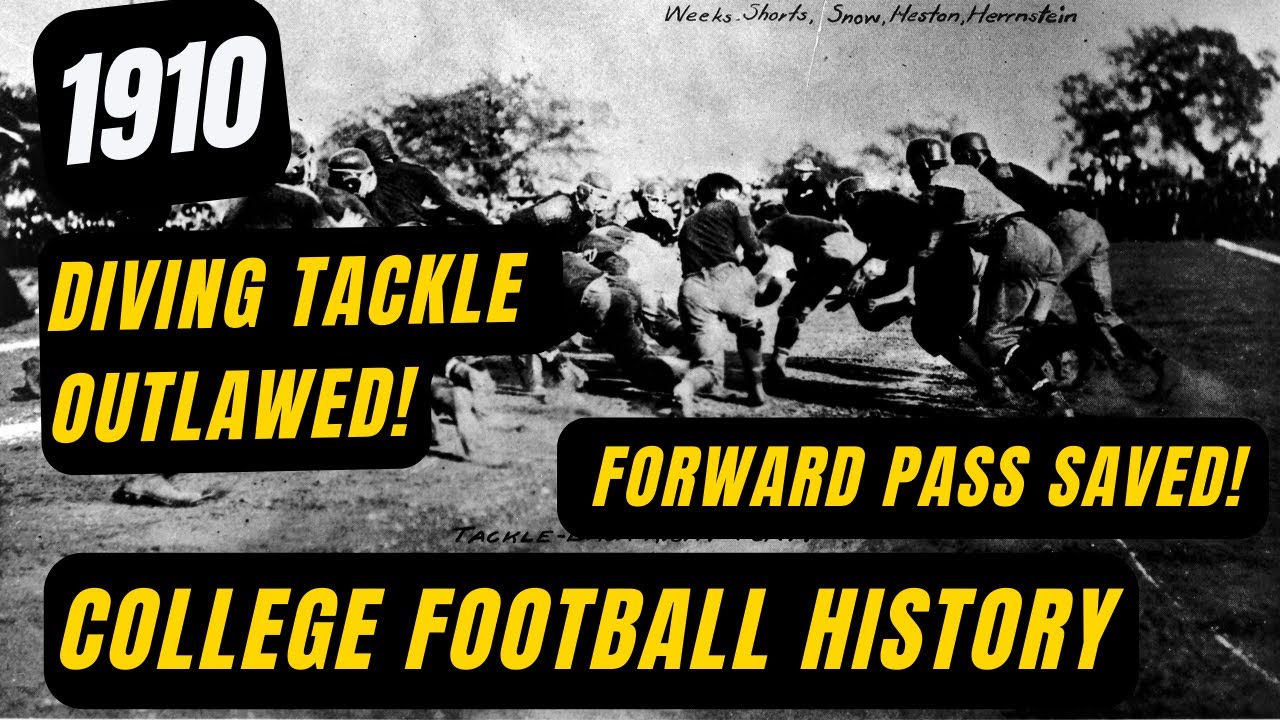
Other mass plays followed similar principles. In guards back and tackles back formations, offensive linemen pulled away from the line of scrimmage before the snap and led interference with momentum into a concentrated point on the defense. The intent was to obliterate a specific section of the defensive line with a concentrated human mass moving at speed. The 1906 rules changes banned momentum plays — formations where players moved before the snap — but left mass plays themselves intact. It took the deaths of 1909 and the sweeping 1910 reforms to finally eliminate them entirely.

Four Reasons the Tush Push Isn’t a Mass Play

The comparison between the tush push and historical mass plays sounds intuitive. Both involve multiple offensive players concentrating force at a single point. Both are designed to overpower the defense in short yardage situations. But the mechanics and the dangers are fundamentally different.

First, there is no pre-snap momentum. This is the critical distinction. The flying wedge and every mass play like it derived their danger from players building momentum before the snap — running at full speed into stationary defenders. In the tush push, every player is completely stationary until the ball is snapped. The force generated comes from a standing start, not a running one. That difference is not cosmetic. It is the entire reason momentum plays were banned in 1894.

Second, the Eagles maintain legal offensive line positioning. Historical mass plays like guards back and tackles back specifically pulled linemen away from the line of scrimmage to lead blocking with momentum. In the tush push, every offensive lineman stays in his legal position on the line of scrimmage and engages the defense directly at the snap — exactly as they would on any standard running play.

Third, the focus of the play is entirely different. Historical mass plays were designed to concentrate blockers to destroy a specific section of the defensive line — to obliterate defenders as the primary objective. The tush push is designed to support the ball carrier. Defenders are trying to stop Jalen Hurts, not absorb the full impact of multiple players running directly at them from distance.

Fourth, modern safety rules didn’t exist in the mass play era. Early football had no neutral zone — players lined up head to head and frequently began play by slugging each other. There were no rules against chop blocks, no restrictions on how linemen could use their hands, no pass interference, no targeting rules. The tush push operates within a comprehensive modern safety framework specifically designed to prevent the injuries that characterized the mass play era. Despite enormous scrutiny, it has not produced the catastrophic injury patterns that forced the banning of historical formations.

The Historical Verdict

The mass plays of 1890 to 1910 were banned because they killed people. The flying wedge specifically was eliminated because players were dying as a direct consequence of its mechanics — momentum, concentration of force, stationary defenders absorbing full-speed impacts from multiple directions simultaneously. The rules changes of 1894, 1906, and 1910 were written in response to death tolls that read like casualty reports.

The tush push has been scrutinized, debated, and voted on by NFL owners. It has not been banned. Not because the NFL is indifferent to player safety, but because the specific dangers that made mass plays lethal — pre-snap momentum, illegal positioning, unregulated contact — are not present in the play.

What the Tush Push Actually Is

The tush push is the latest chapter in football’s long history of tactical innovation within existing rules. Every generation of coaches finds the edges of what the rulebook permits and builds plays around them. The flying wedge found the edge of what was permitted in 1892 — and crossed it into territory that got people killed. The tush push finds the edge of what is permitted in 2024 and stays within it.

Whether you find it aesthetically pleasing is a different question. Whether it’s a mass play in the historical sense — the kind that produced death harvests and presidential interventions and nearly ended the sport — it is not. The history is clear on that point, even when the debate isn’t.

Football is constantly evolving. What seems controversial today may be accepted strategy tomorrow, or eventually a footnote in the rulebook after a future committee decides it’s time for another change. That’s the nature of the game — and it always has been.

Hardcore College Football History covers the forgotten stories and foundational moments that shaped college football. Subscribe for more documentary-style deep dives into the history of the game.

Leave a Reply

Your email address will not be published. Required fields are marked *