

On the morning of December 7, 1941, Irv Miller sat down to breakfast at the Moana Hotel on Waikiki Beach. Miller was a backup halfback for Willamette University, a small college in Salem, Oregon. Looking down the shoreline toward Pearl Harbor, he saw big gushers of water shooting up out of the ocean. A waiter told his table that somebody was shooting whales.
That breakfast opens one of the strangest chapters in college football history. This is the story of Pearl Harbor football: two mainland teams, Willamette and San Jose State, who sailed to Hawaii to play a game and sailed home as part of a war.
A Trip Built on a Promise
The Hawaii trip started as a recruiting pitch. Willamette coach Roy “Spec” Keene used it to sell his program. He told a halfback from Vancouver, Washington, named Chuck Furno that if he came to Salem, he would play a game in the islands.
Furno came. So did his high school backfield mate, Ken Jacobson. So did Earl Hampton, a farm kid from Molalla, Oregon, who had never seen the ocean. When the 27 names on the traveling squad went up that November, the campus was full of grins.
The schedule was simple. Hawaii would play Willamette on December 6, with the gate going to handicapped children. Hawaii would play San Jose State on December 13 for the Honolulu Police Department. The two mainland teams would meet on December 16, and that gate would pay for the trip. On the 19th, everyone would board the Matson liner Lurline for home. They would be back by Christmas.
Willamette guard Gordon Moore brought his new wife, Elaine, on a honeymoon paid for with money borrowed from his brother. Back in Salem, the Moores lived above a mortuary, where Gordon was learning to prepare bodies for burial.
San Jose State brought 25 players. One was Ken Bailey, a heavyweight wrestler studying for the ministry. He had wanted to make the Hawaii trip for years.
The Pearl Harbor Football Game: 1941 Shrine Bowl
Honolulu sportswriters met the Bearcats at the dock with news. Willamette was a 12-point underdog. The players didn’t buy it. They had gone 8-1, won their conference, and led every small college in the country in total offense at better than 400 yards a game.
Willamette’s home field seated 5,000. On Saturday afternoon, December 6, the crowd at Honolulu Stadium pushed toward 25,000, the biggest the Shrine game had ever drawn. Sailors, soldiers and Marines on weekend passes filled the stands.
Willamette came out throwing. In the first quarter, Ted Ogdahl swept right end for 52 yards, then scored on a reverse a few plays later. The kick missed, but the underdogs led 6-0. A fumble gave Hawaii life, and Richard Hart scored from a foot out before the half. Hawaii led 7-6.
Willamette had played so well that bettors in the stands flipped the odds at halftime. Hawaii needed two and a half minutes to undo that. Co-captain Nolle Smith broke runs of 26 and 31 yards, and Hart punched it in again. Two interceptions of Willamette passes closed it out. Final score: Hawaii 20, Willamette 6.
That night the players walked Honolulu with the Saturday crowds. Willamette had a picnic planned on the far side of the island with the Hawaii cheerleaders. San Jose State had 75 box lunches packed for a bus tour. Two hundred miles north, six Japanese aircraft carriers were running south in the dark.
Sunday Morning at the Moana
A San Jose State player named Hans Wiedenhofer walked down to the beach with a few teammates to get a closer look at the splashes. One explosion hit the water close, and they ran for the hotel. He said one blast landed about 100 yards from the building.
The Spartans’ tour bus arrived only for the driver to say the military was taking it. Keene and a group of players walked two blocks to a fresh crater in the street and still assumed it was a Navy exercise. He said later it took nearly five hours to understand what had happened.
Three San Jose State players, Gray McConnell, Alan Hardesty and Charlie Cook, had gone into the hills with three Hawaii coeds. From the hillside they looked straight down into Pearl Harbor. They watched the battleship Oklahoma roll over with her crew still inside.
Seven hundred miles out, the Lurline picked up a distress call from the freighter Cynthia Olson, under fire from a Japanese submarine, then word of the raid on Pearl Harbor. She painted over her portholes and ran for San Francisco. The ship meant to carry the teams home was gone.
College Football Players With Rifles
That afternoon an Army car pulled up at the Moana. Before long, rifles were stacked in the hotel lobby: old Springfields with bayonets, steel helmets and gas masks beside them. Gordon Moore asked how many teammates had ever fired a rifle. Three hands went up besides his. He suggested they carry them unloaded.
The Bearcats spent the afternoon helping Marines dig trenches and string barbed wire across Waikiki Beach. The Marines told them a landing would probably come there that night. They sat in the dark while nervous sentries fired at shadows.
The Honolulu Police Department, the same department the San Jose State game was meant to benefit, handed the Spartans riot guns, helmets and armbands. Ken Bailey volunteered. That night the players rode as backups in squad cars through the blackout.
The police work turned real on Monday. Wiedenhofer joined a raid on a house with a powerful shortwave radio inside, fired at a noise in the dark, and later helped make four arrests. A few nights after that, end Jack Galvin helped a woman deliver a baby in her own home. Back on the mainland, families heard nothing at all.
Guarding Punahou
On Tuesday, the Willamette team moved to Punahou School, where the Army Corps of Engineers had taken over the campus. The Bearcats became its guards, working shifts that stretched to six hours on and two off. When two guards approached each other in the dark, they sang so nobody shot a teammate.
Elaine Moore took a job typing coded messages for the engineers. One night she crossed a sentry’s path in the blackout and heard a familiar voice order her to halt. She stepped forward and told her husband who it was. She was grateful the rifles weren’t loaded. Years later she learned Gordon’s was.
A freshman named Glenn Nordquist walked his post night after night and made a promise. If everyone got home safe, he would give up football, leave Willamette and become a minister.
The Voyage Home on the President Coolidge
On December 19, the Willamette guards were told a bus would take them to visit Pearl Harbor. It took them to the docks. Waiting was the liner President Coolidge, in from Manila, her lounges lined with cots.
Below decks were 125 of the worst wounded from Pearl Harbor: amputees, men in body casts, men with bandaged eyes, and 30 sailors burned so badly the doctors weren’t sure they should be moved. Around them were 400 women and children ordered off the island, some of them new widows.
Keene’s deal for passage was simple: the football players would care for the wounded. Seven San Jose State players stayed behind to join the Honolulu police full-time. Ken Bailey walked up the gangway with the rest of his team.
The convoy steamed west, away from the shipping lanes where submarines had been hunting. Each player was assigned a wounded man to get to a lifeboat if a torpedo hit. They fed men who couldn’t use their hands, read to them and wrote their letters. When the captain learned what the teams were doing, he moved them out of steerage and gave them the run of the ship.
On Christmas Eve, Jim Fitzgerald sat with Alvin Dvorak, a burned bosun’s mate from Minneapolis, until a medic told him Dvorak was dying. After he died, Gordon Moore used what he had learned above the mortuary in Salem. He helped prepare the body so Dvorak could be buried at home in Minnesota rather than at sea.
On Christmas morning, the President Coolidge came out of the mist under the Golden Gate Bridge. Keene ran to a telephone, called Salem and asked someone to call all the parents.
After the War Came Home
Glenn Nordquist kept his promise and became a minister. Most of the others went to war. Chuck Furno flew P-38s in the Philippines. Irv Miller flew B-17s. Jim Fitzgerald flew combat missions over the South Pacific, where the President Coolidge sank after hitting mines in October 1942. Hans Wiedenhofer landed on Iwo Jima with the Marines.
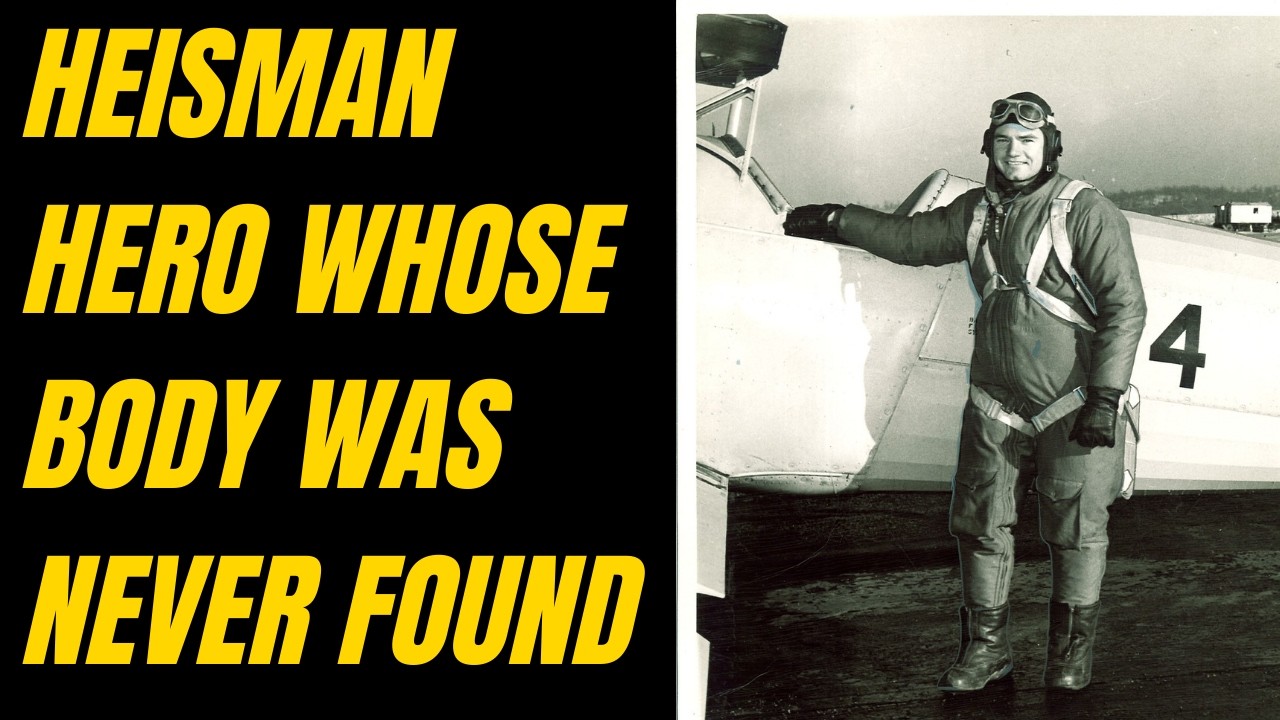
Ken Bailey graduated from San Jose State in 1942 and enlisted that August. After two Atlantic crossings guarding cargo, he asked for something more dangerous. He was assigned to the Liberty ship John L. Motley, carrying ammunition and aviation gasoline to Bari, Italy. On December 2, 1943, German bombers hit the harbor. The Motley caught fire, drifted onto the jetty and exploded. Survivors called the raid Little Pearl Harbor.
Bailey’s body was never found. His name is on the Wall of the Missing at the Sicily-Rome American Cemetery in Nettuno. His parents’ letter to San Jose State started the drive to build a memorial chapel on campus. By war’s end, the school’s service flags carried more than 200 gold stars.
Further Reading
The primary source for this story is Scrimmage for War: A Story of Pearl Harbor, Football, and World War II by Bill McWilliams (Stackpole Books, 2019). It tells the full story in far more depth than a single video or article can.