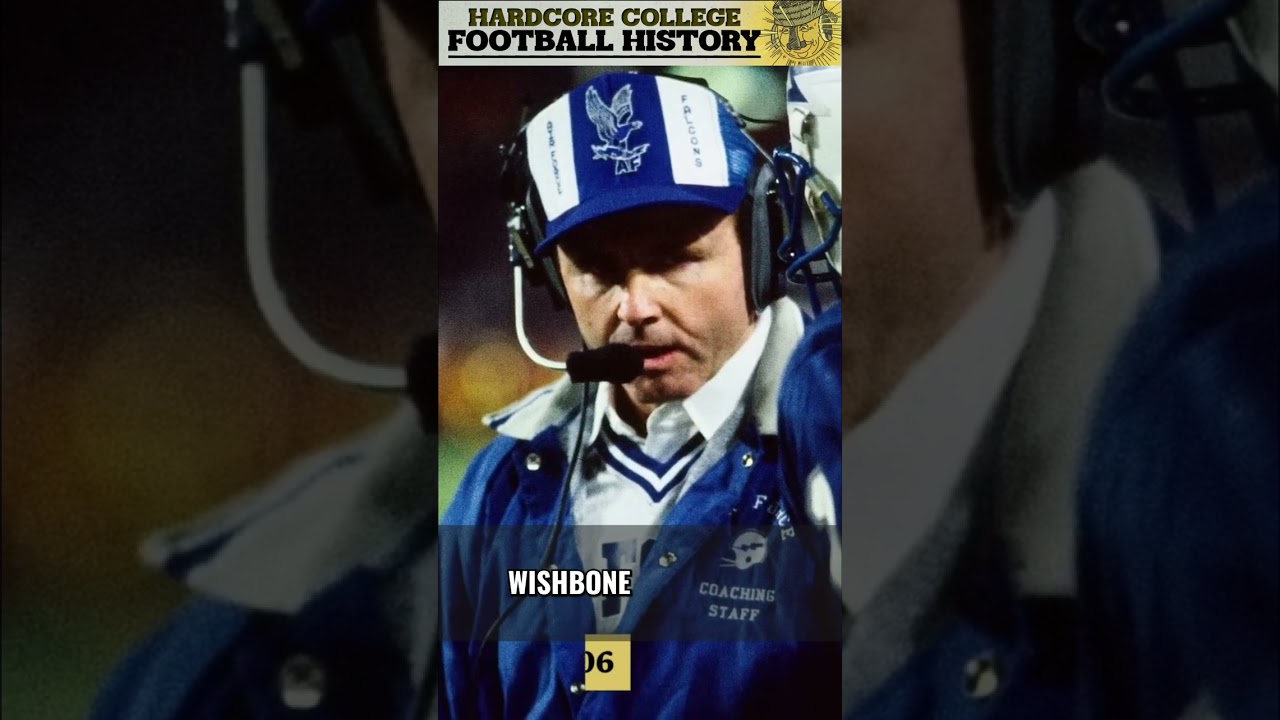
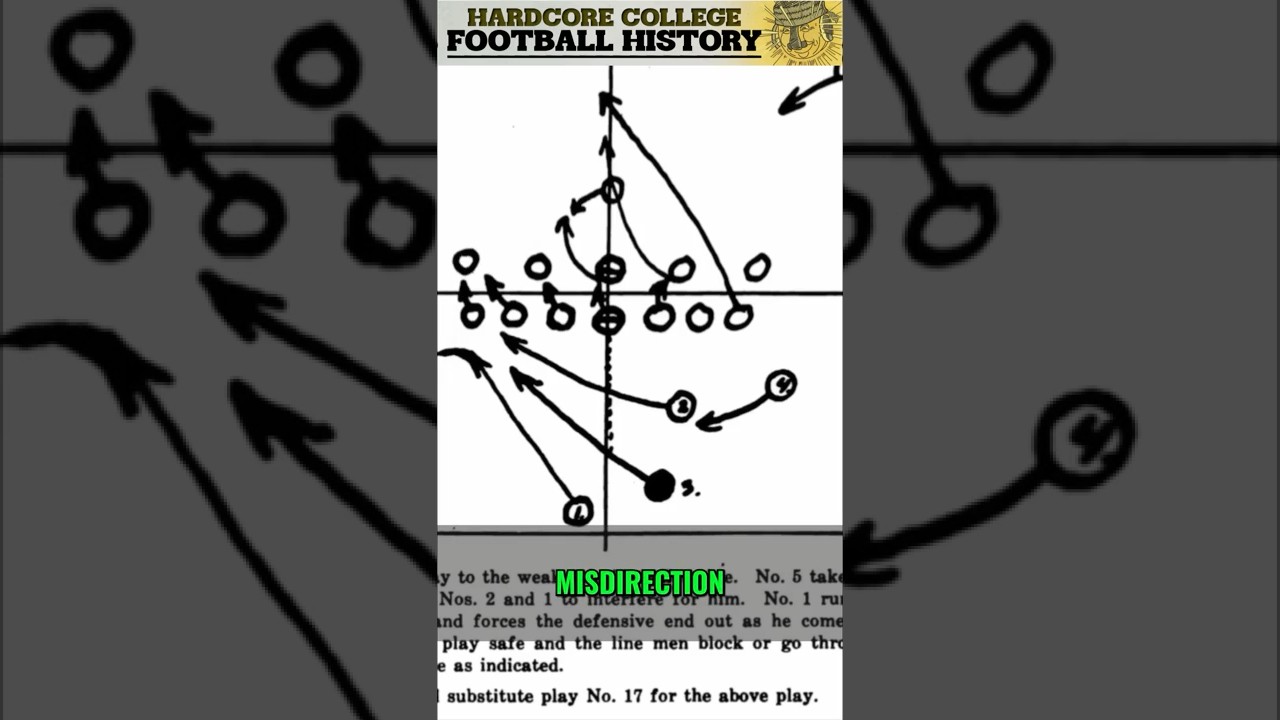
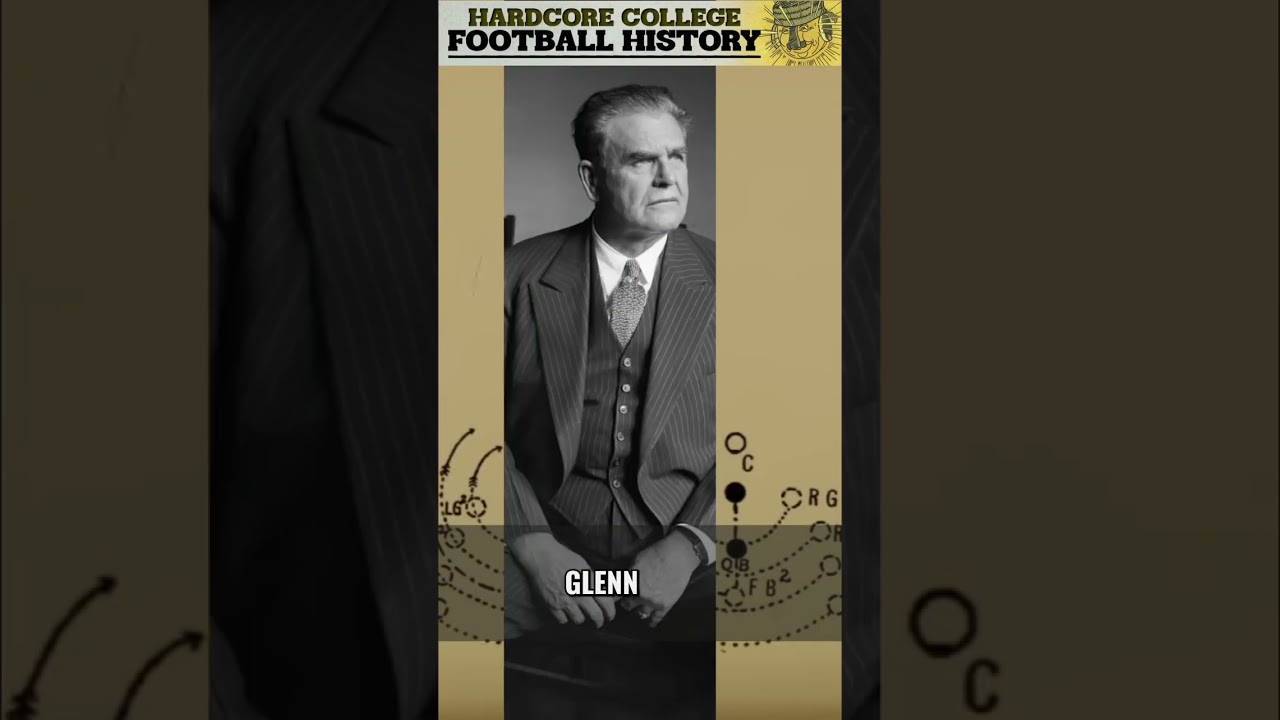
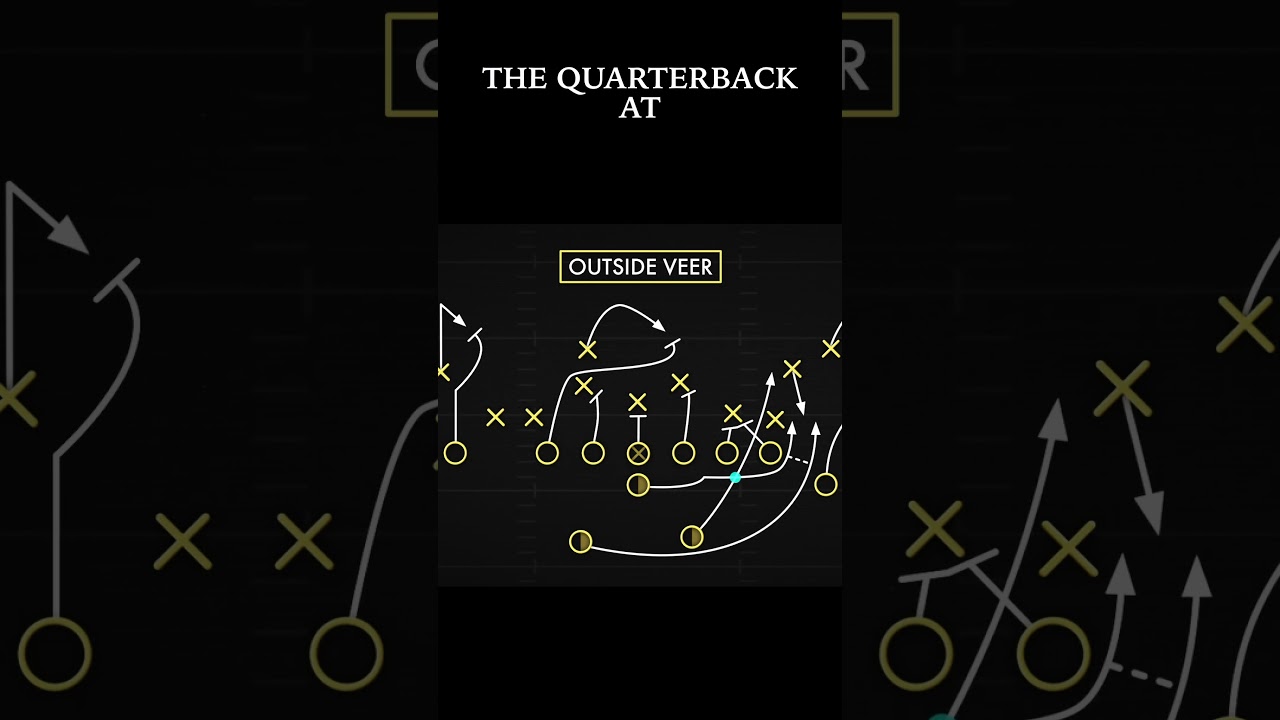
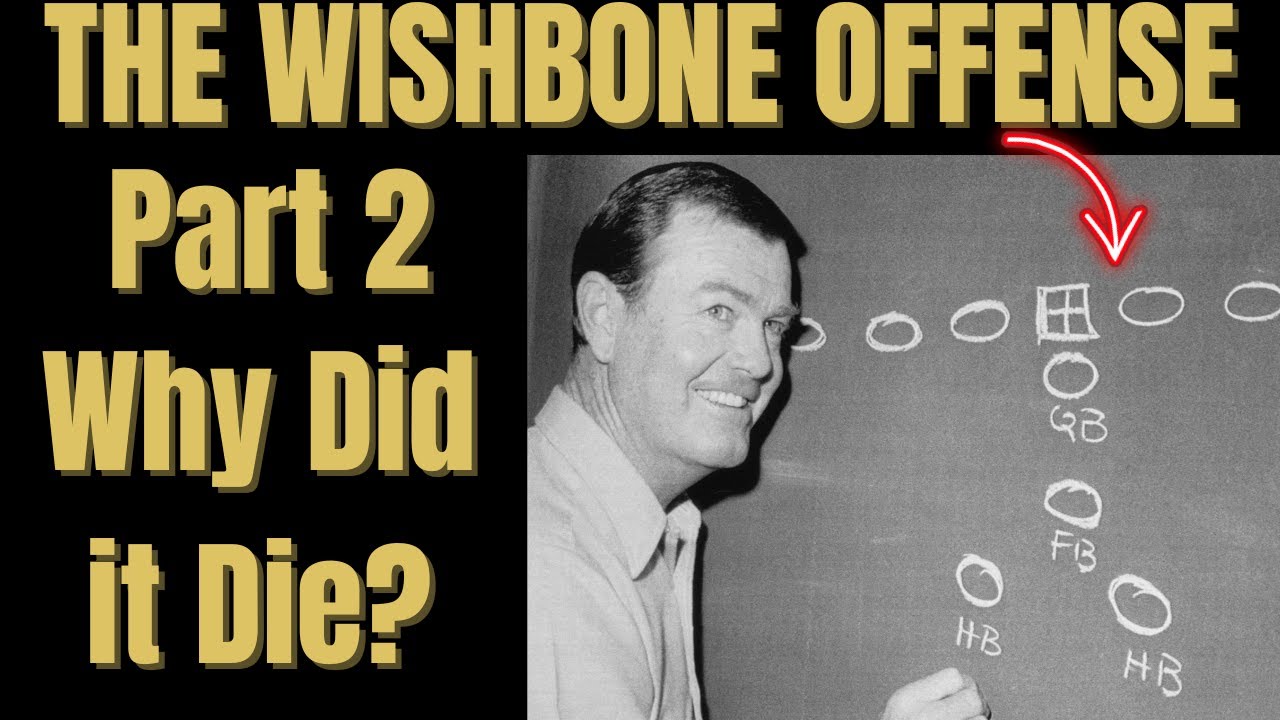
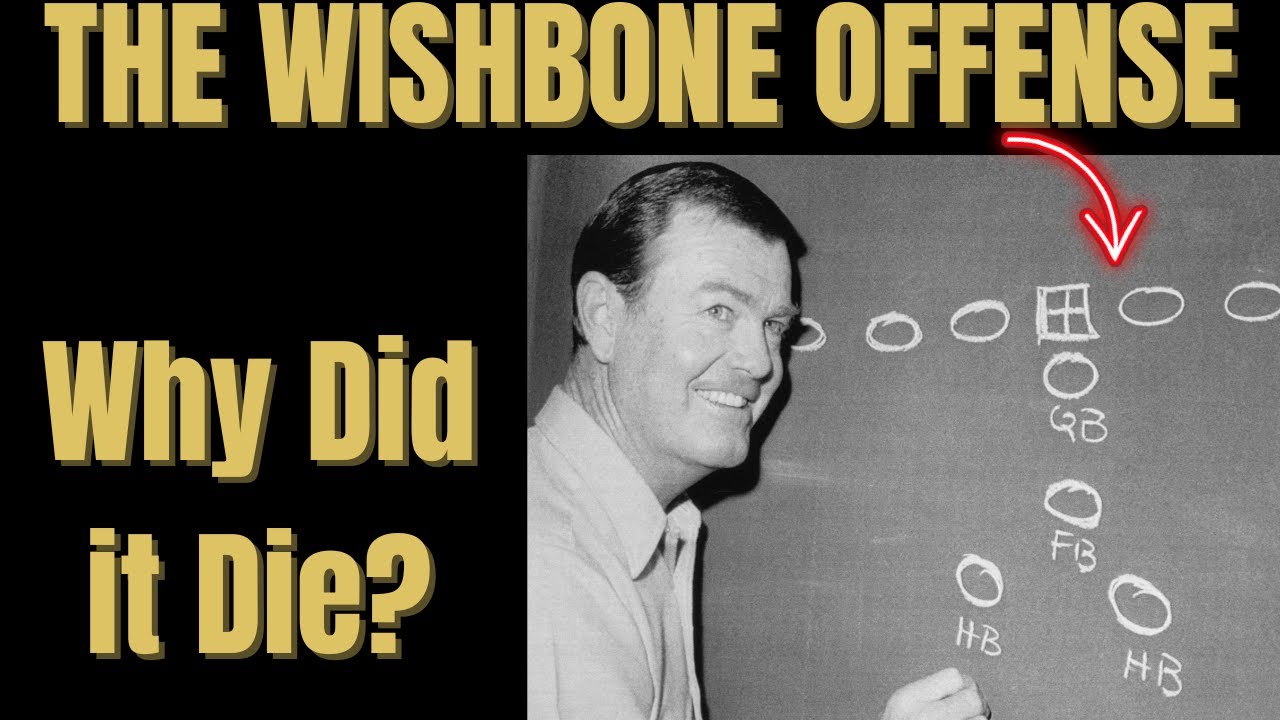
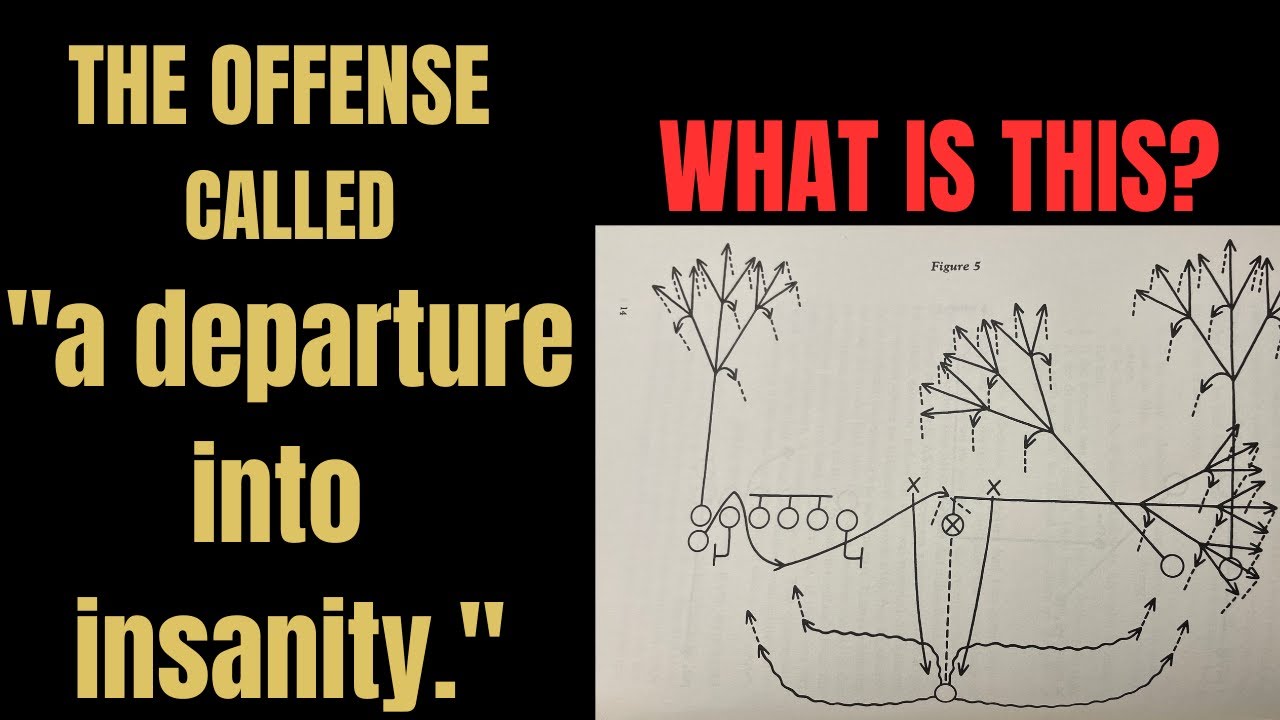
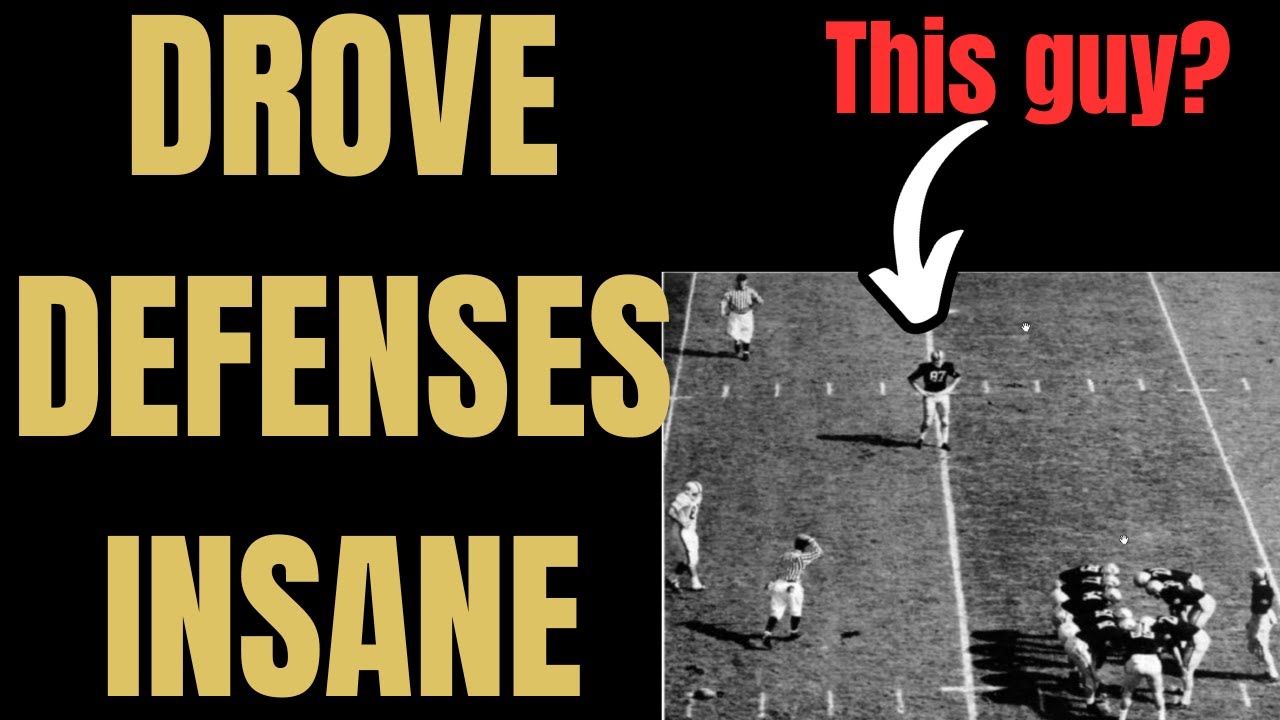
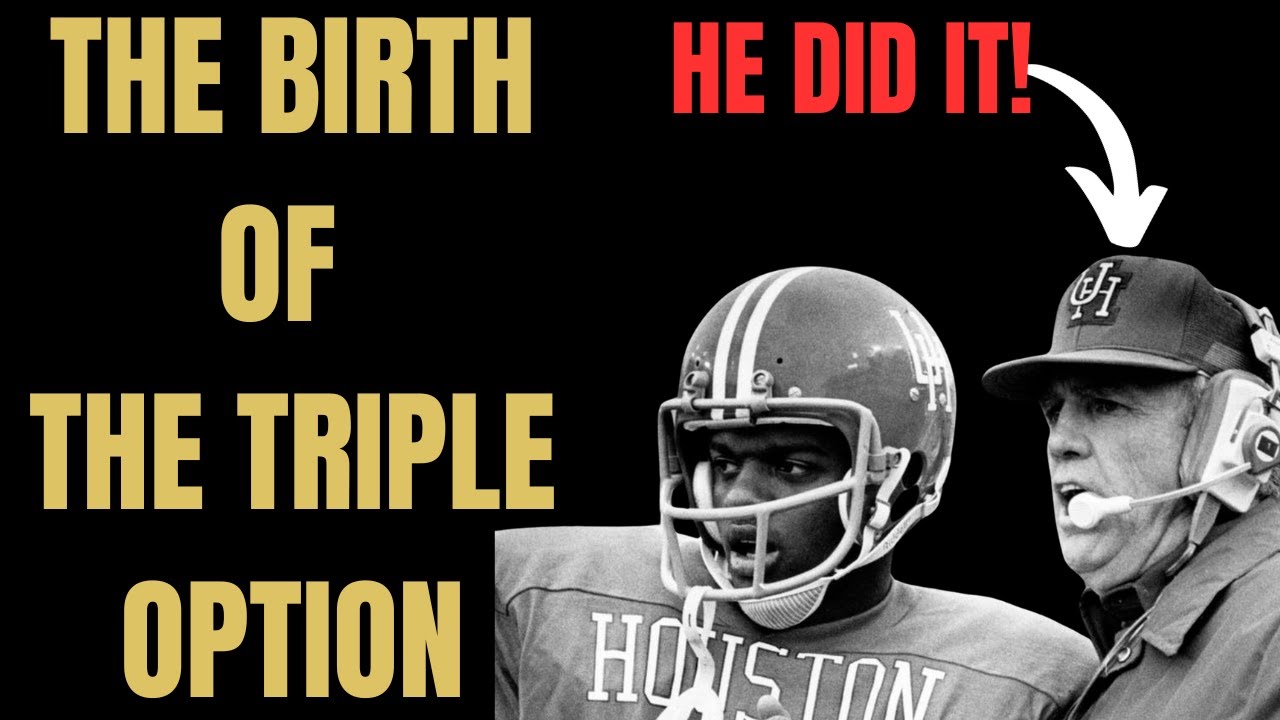
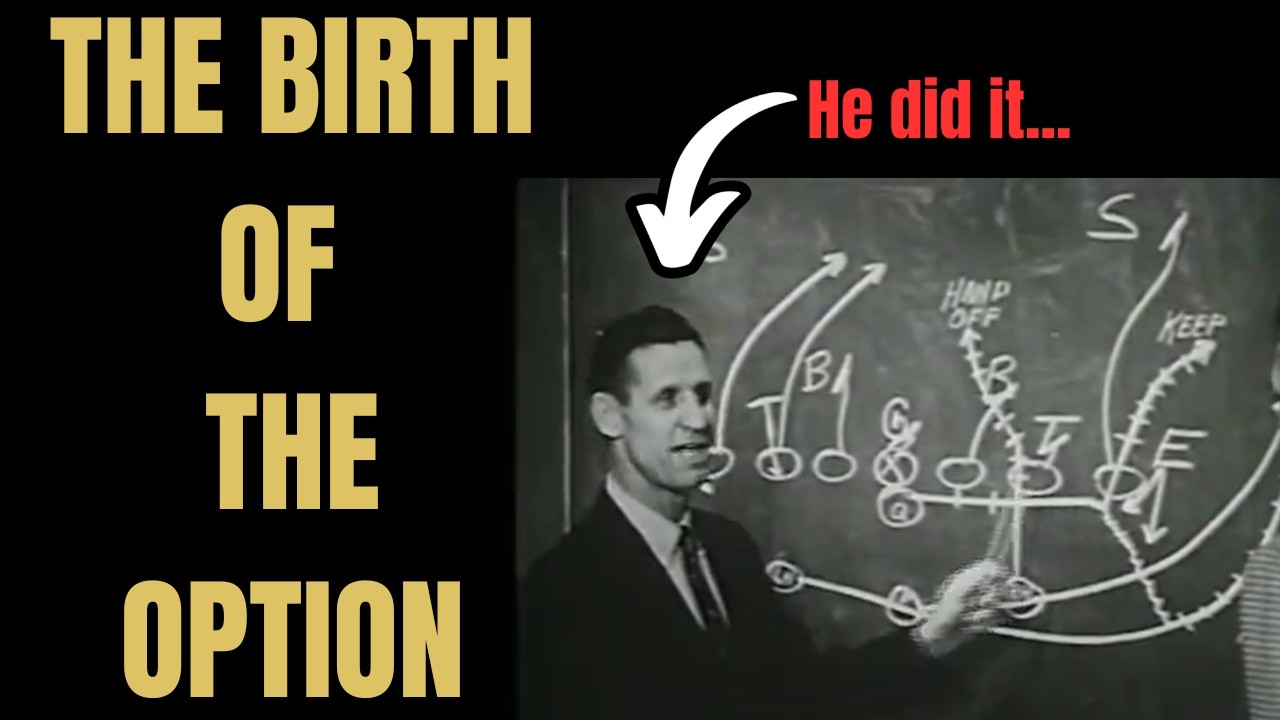
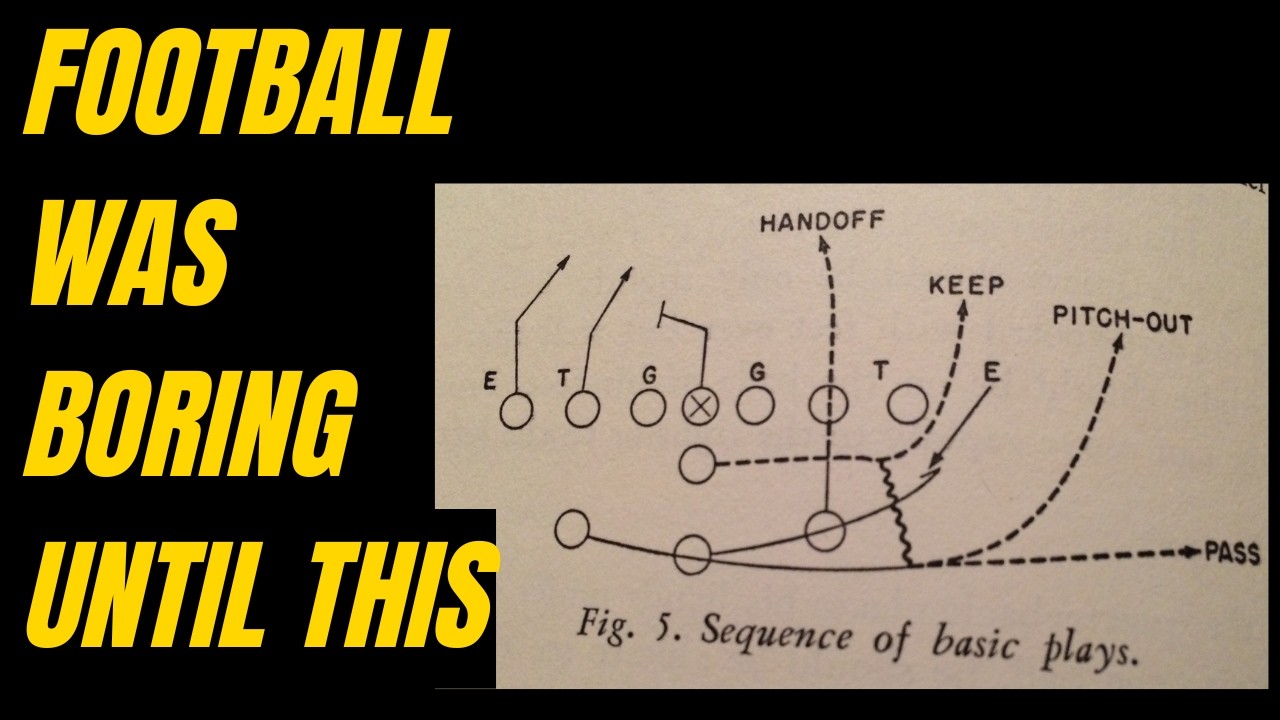
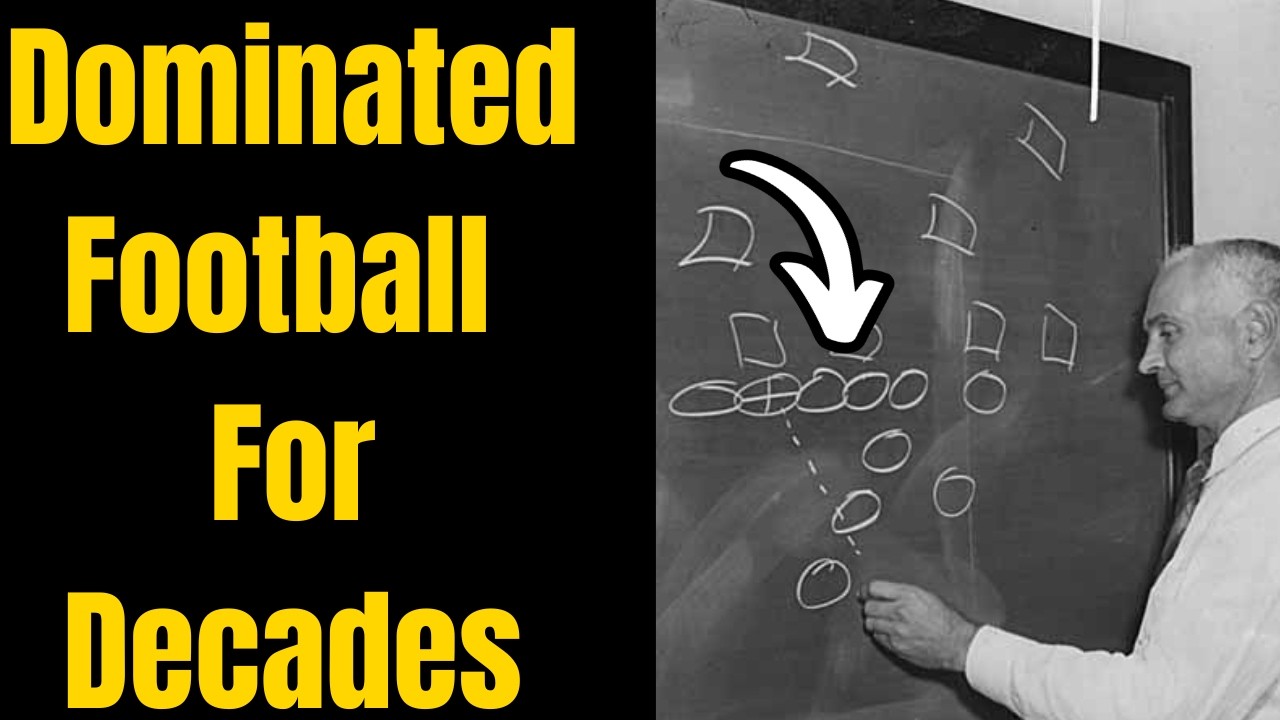
Sometime in the late 1980s, one of the most dominant offensive systems in college football history – the wishbone – quietly disappeared. No announcement. No final game. No eulogy. Programs that had built national championship dynasties on the wishbone and triple option simply walked away, rebuilt their playbooks, and started chasing a different kind of football.
The question that deserves a real answer is: did the wishbone actually stop working — or did college football decide to stop running it for reasons that had far more to do with money, prestige, and NFL draft positioning than they did with wins and losses? Those are two very different questions, and the answer matters more than most people realize.
The Recruiting Math Broke First
The first and most damaging blow to the wishbone wasn’t a defensive scheme. It was a recruiting pitch. When Miami was developing NFL first-round quarterbacks and wide receivers under Howard Schnellenberger and Jimmy Johnson, a high school prospect choosing between the Hurricanes and a wishbone program already knew which decision made more financial sense. The wishbone quarterback reads, runs, and pitches. He doesn’t throw from the pocket. His statistical profile is invisible to NFL scouts. That reality, once it hardened into conventional wisdom, was nearly impossible to reverse.
The same logic applied down the roster. Offensive linemen in the wishbone were quick and mobile, not trained pass protectors. Wide receivers might catch seven passes in an entire season. Every position that mattered in the NFL draft economy was being underserved by the system.
The Rules Finished the Job
What the recruiting market started, the NCAA rulebook accelerated. The triple option — particularly the flexbone version that survived the wishbone’s decline — relied heavily on cut blocking on the perimeter. Smaller, quicker players using blocks below the waist to neutralize physically superior defenders on the edge. It was the great equalizer for outmanned rosters.
Between the early 2000s and 2018, the NCAA systematically eliminated most of those blocking techniques through a series of rule changes framed as player safety measures. Paul Johnson, who ran the flexbone at Navy and Georgia Tech and served on the NCAA rules committee, argued openly that the changes disproportionately targeted option offenses. After each rule change, option teams lost more of their ability to attack the perimeter.
Paul Johnson Proved It Could Still Work
In 2008, Johnson arrived at Georgia Tech and ran the flexbone triple option in the ACC for eleven seasons. His teams beat Florida State, Georgia, Clemson, and Mississippi State in bowl games. He won the ACC Coach of the Year in his first two seasons. He compiled 82 wins, three division titles, and nine bowl appearances.
What Johnson proved was that the scheme itself was not broken. What he couldn’t overcome was negative recruiting — opposing coaches telling prospects the system would ruin their NFL prospects — and the fact that his recruiting classes never cracked the top 40 nationally. When every major program in your conference is outrecruiting you by a wide margin, scheme can only close so much of that gap.
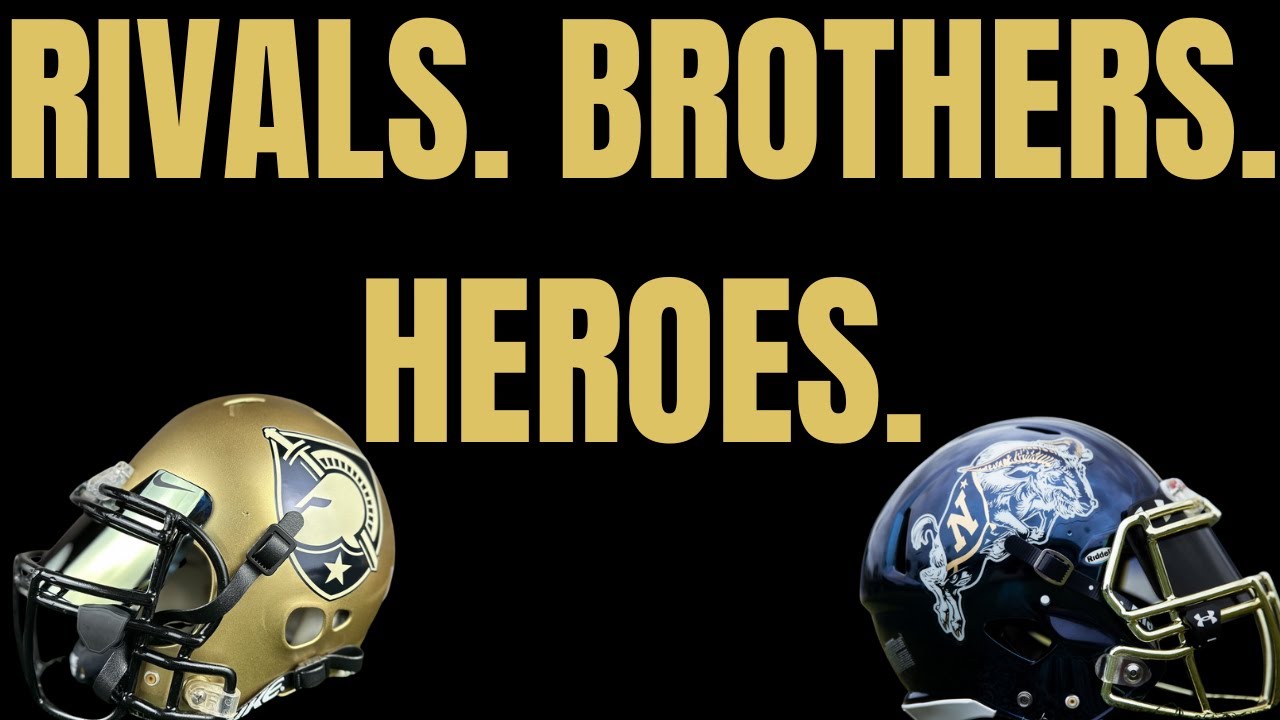
Army and Navy Are Still Running It Right Now
The most honest rebuttal to anyone who says the triple option is dead: watch Army football. In 2024, the Black Knights went undefeated in conference play, won the American Athletic Conference championship — the program’s first in 134 years — and finished 11-1. Their quarterback rushed for 32 touchdowns and finished sixth in Heisman voting. Navy went 11-2 that same season and finished ranked 23rd nationally.
The triple option is not a museum piece. It produces winning records, conference championships, bowl victories, and ranked finishes in 2025. But the service academies operate under conditions no major program shares. Roster stability is institutional — players don’t enter the transfer portal. In an era where 2,600 players enter the portal every season, that kind of continuity is the oxygen the triple option requires.
The Ceiling Is Real, But the Scheme Isn’t Broken
The wishbone and the triple option were not defeated by better football. They were priced out of an economy that no longer had room for them at the highest levels. The coaches who still run it do so because their institutions operate outside that economy entirely. Every fall, you can turn on an Army or Navy game and watch something most of college football decided it no longer had time for.
The option still works. It’s just not for sale anymore.