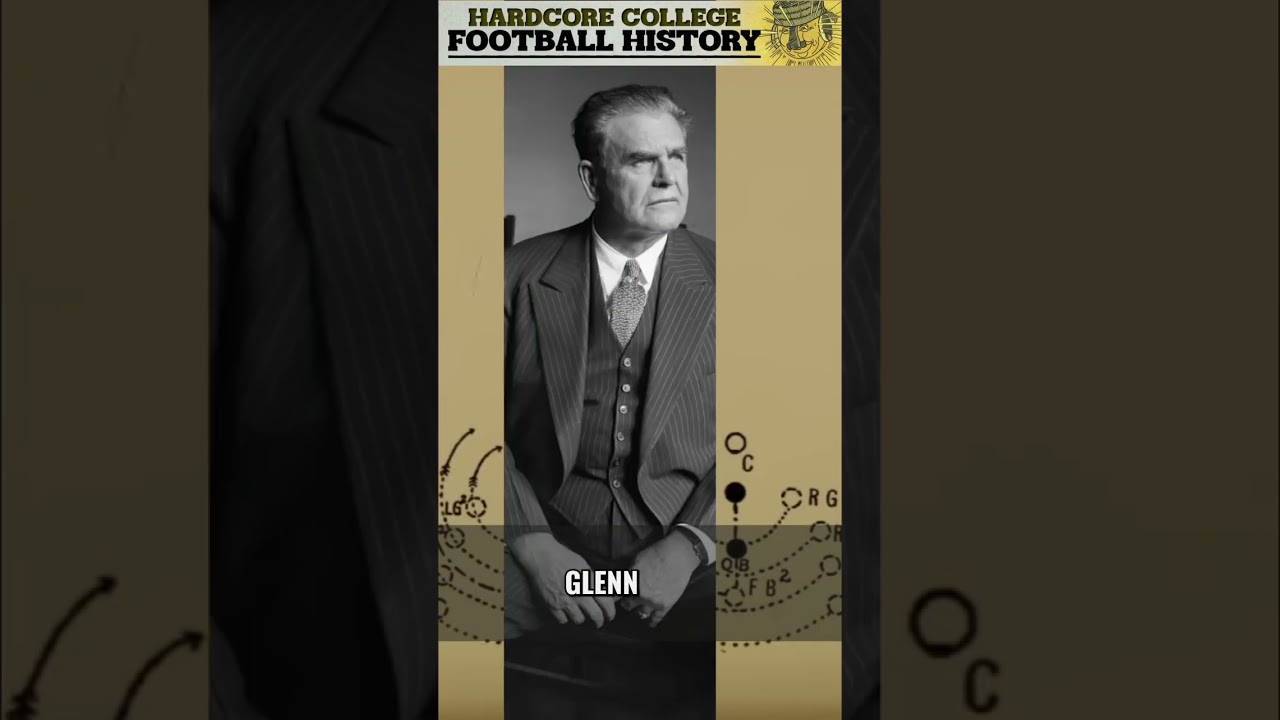
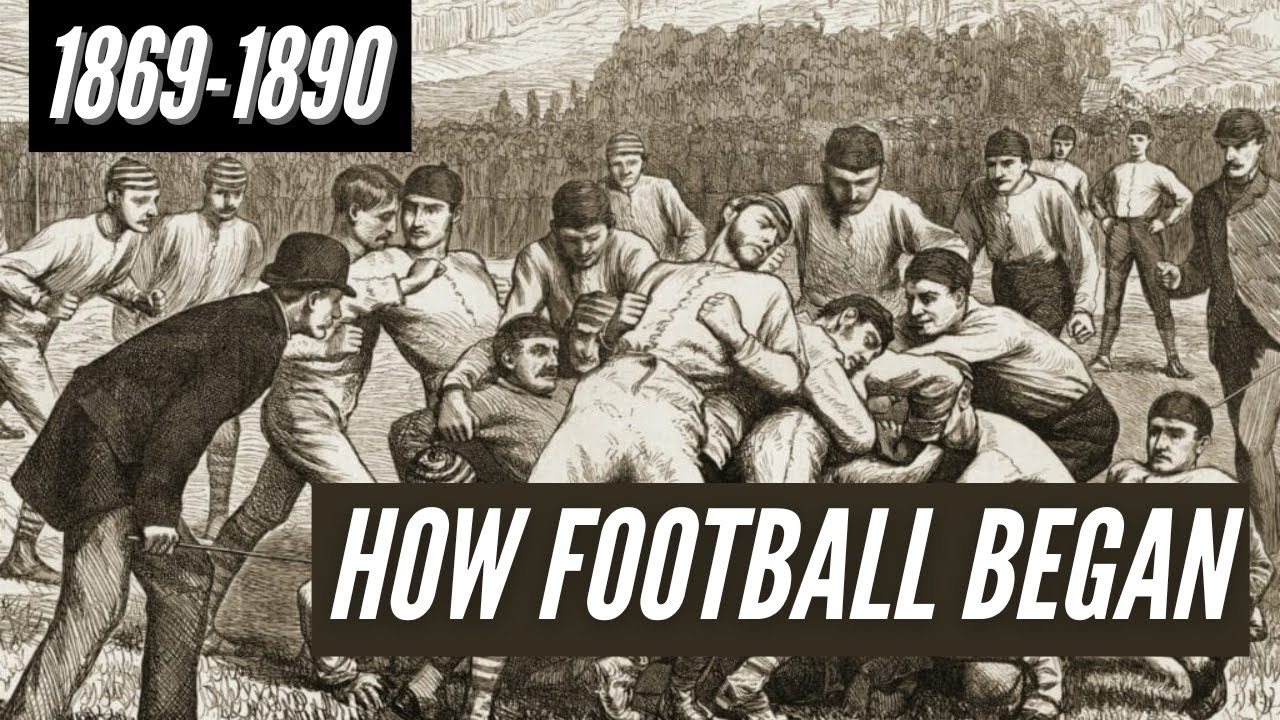
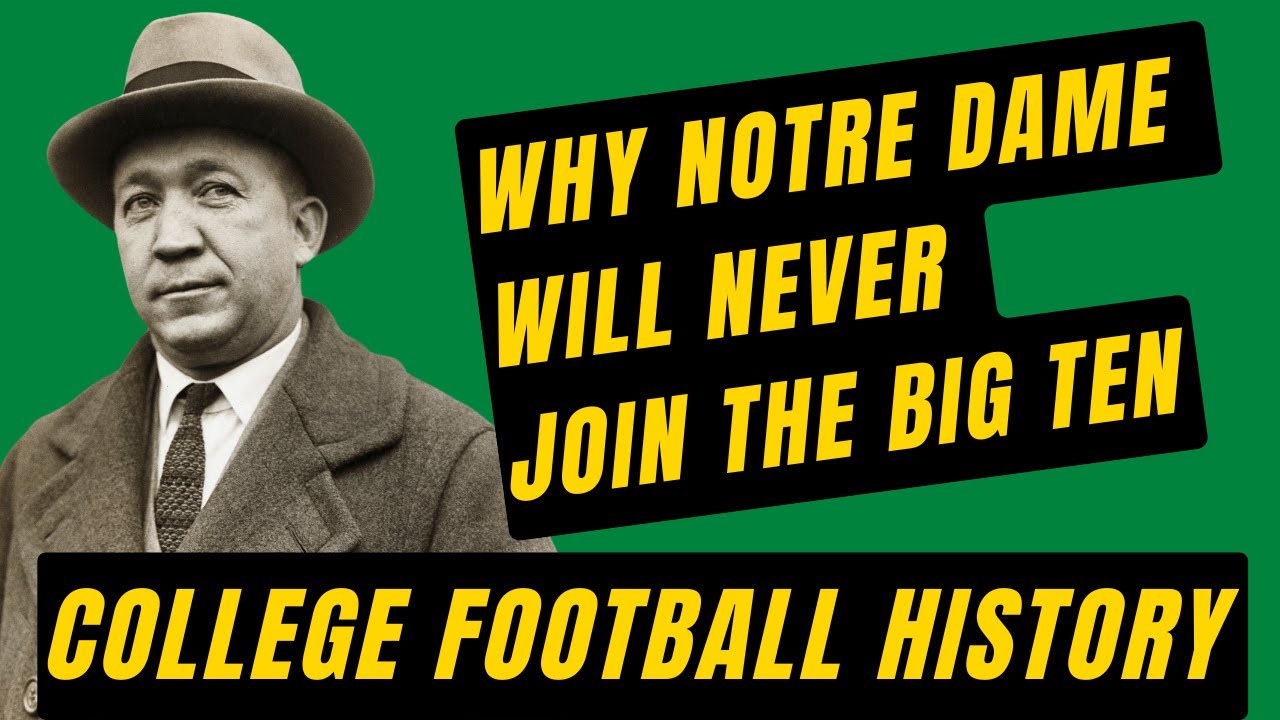
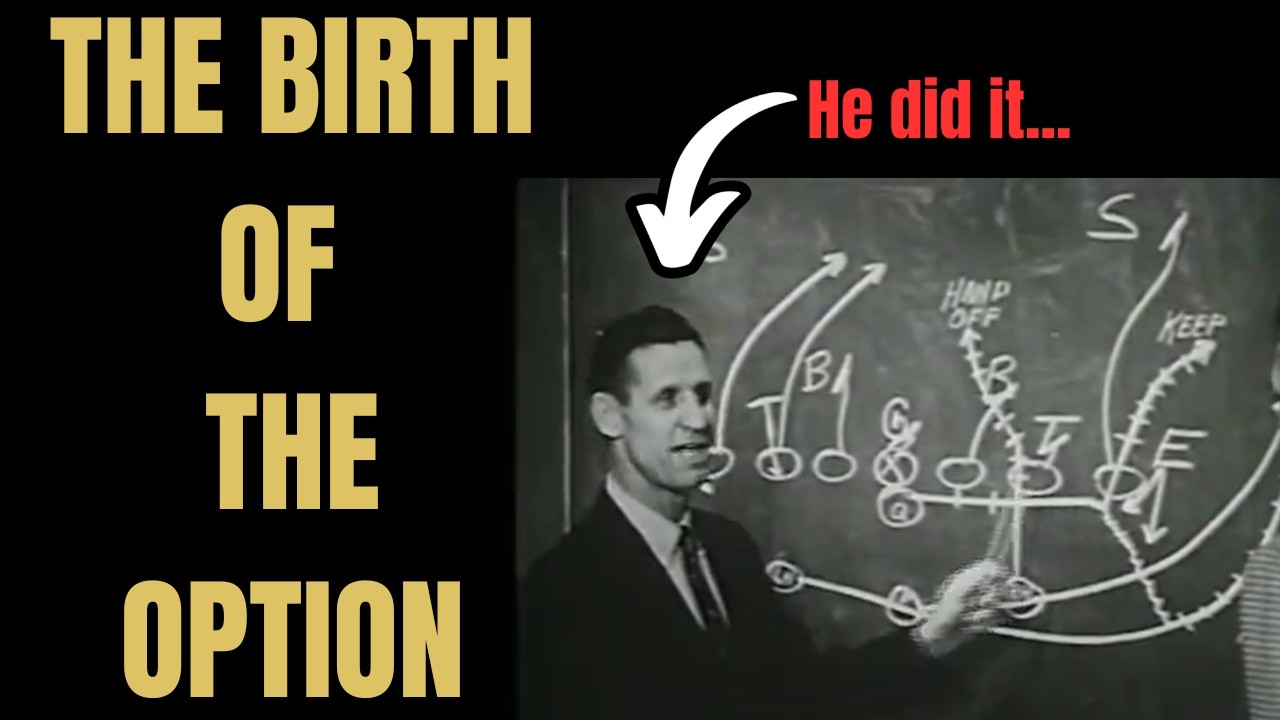
Amos Alonzo Stagg was one of the most influential figures in college football history, with a coaching career that spanned over 70 years. Often credited with shaping the foundation of modern football, Stagg’s contributions were vast, both on and off the field. Born on August 16, 1862, in West Orange, New Jersey, Stagg grew up in a strict, disciplined environment that instilled values of hard work and temperance, which would define his life and career.
Stagg’s academic and athletic journey began at Phillips Exeter Academy, where he was introduced to organized sports, and later at Yale University, where he became a star pitcher on the baseball team. Despite offers to play professional baseball, Stagg turned them down, citing his commitment to his education and future in the ministry. However, it was football that ultimately captured his passion. Playing under the legendary Walter Camp at Yale, Stagg was part of the first-ever All-American football team in 1889.
In 1892, Stagg took the head coaching job at the University of Chicago, where he spent 41 years transforming the program into a football powerhouse. His teams consistently competed for championships in the Western Conference, the precursor to the Big Ten. Under his leadership, Chicago won seven conference titles and is recognized for national championships in 1905 and 1913. His career coaching record includes 314 wins, 199 losses, and 35 ties.
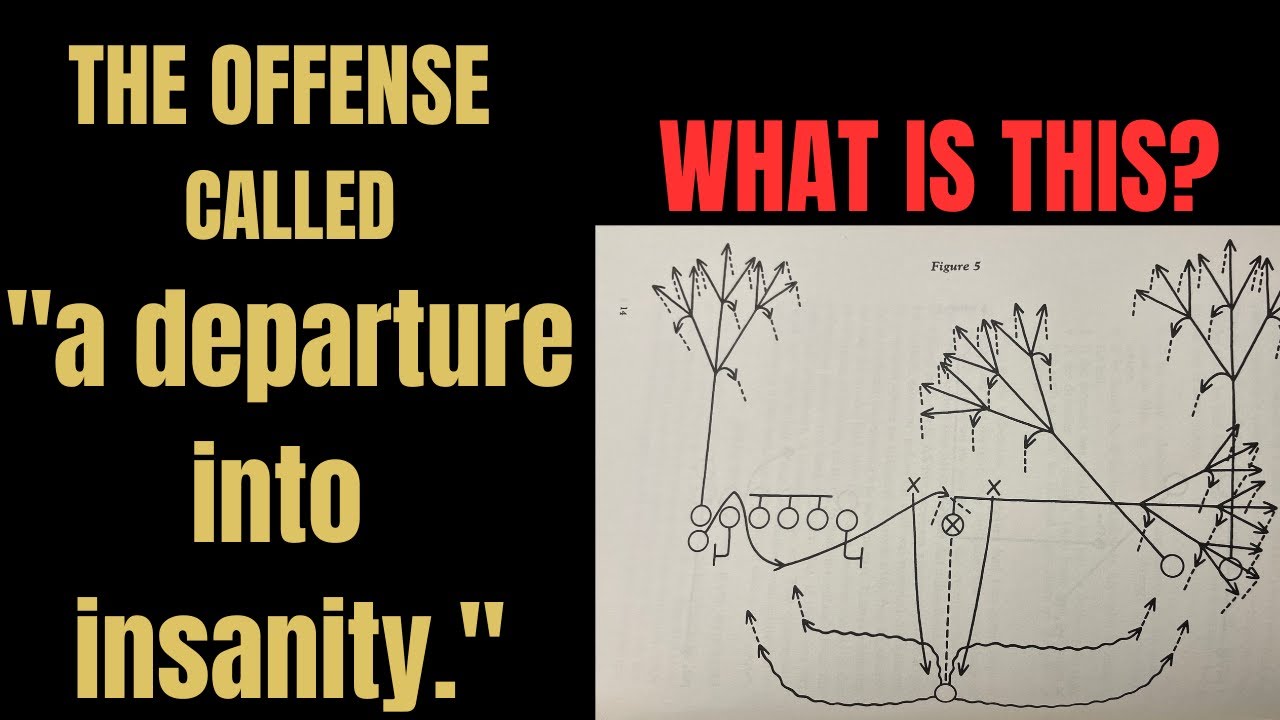
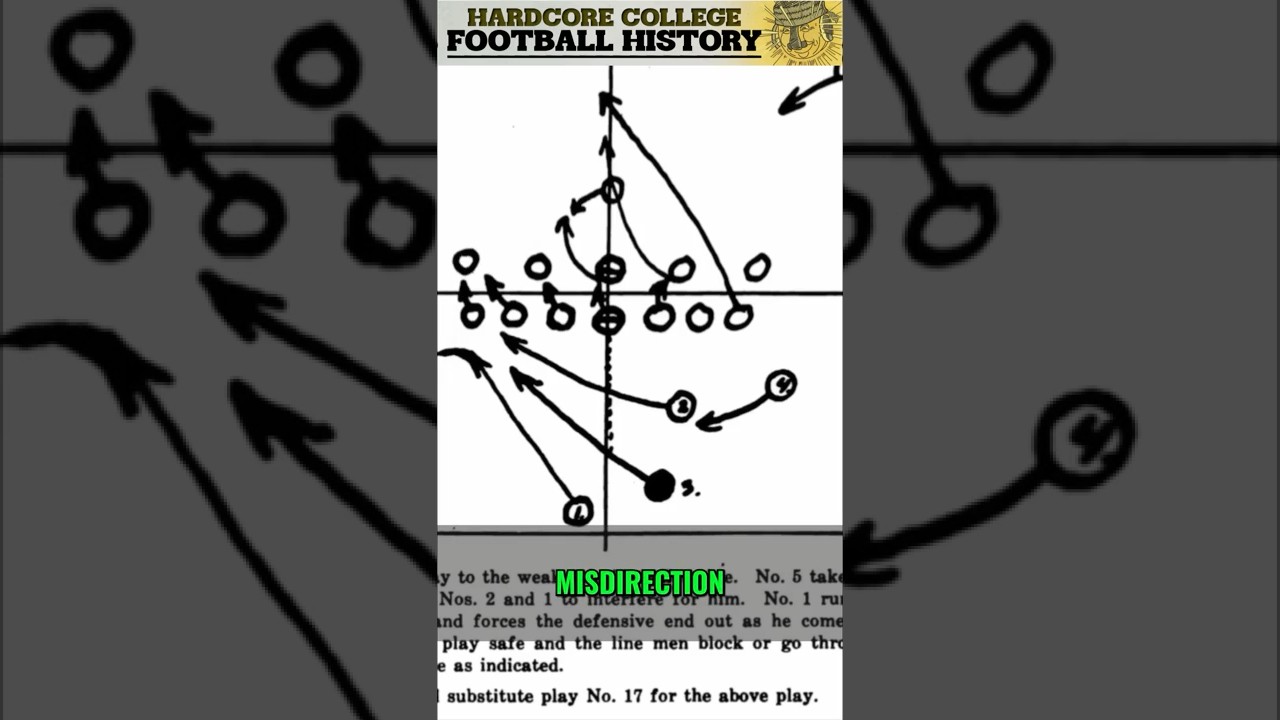
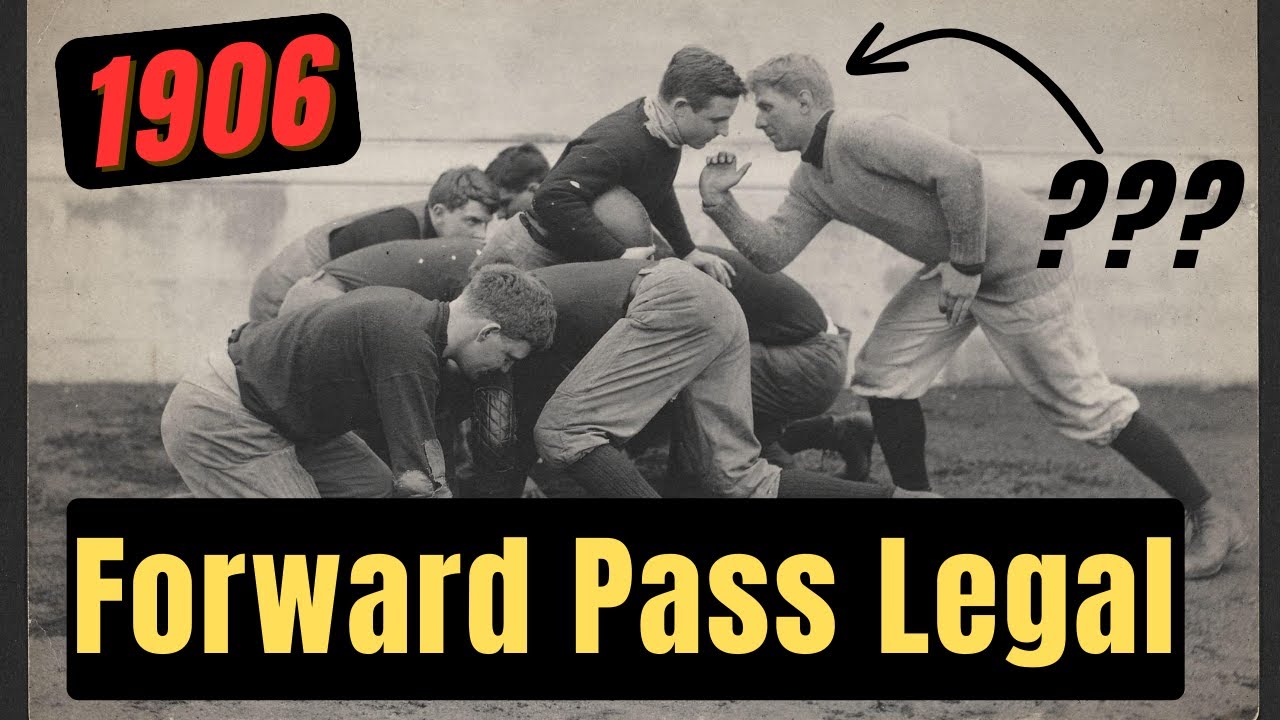
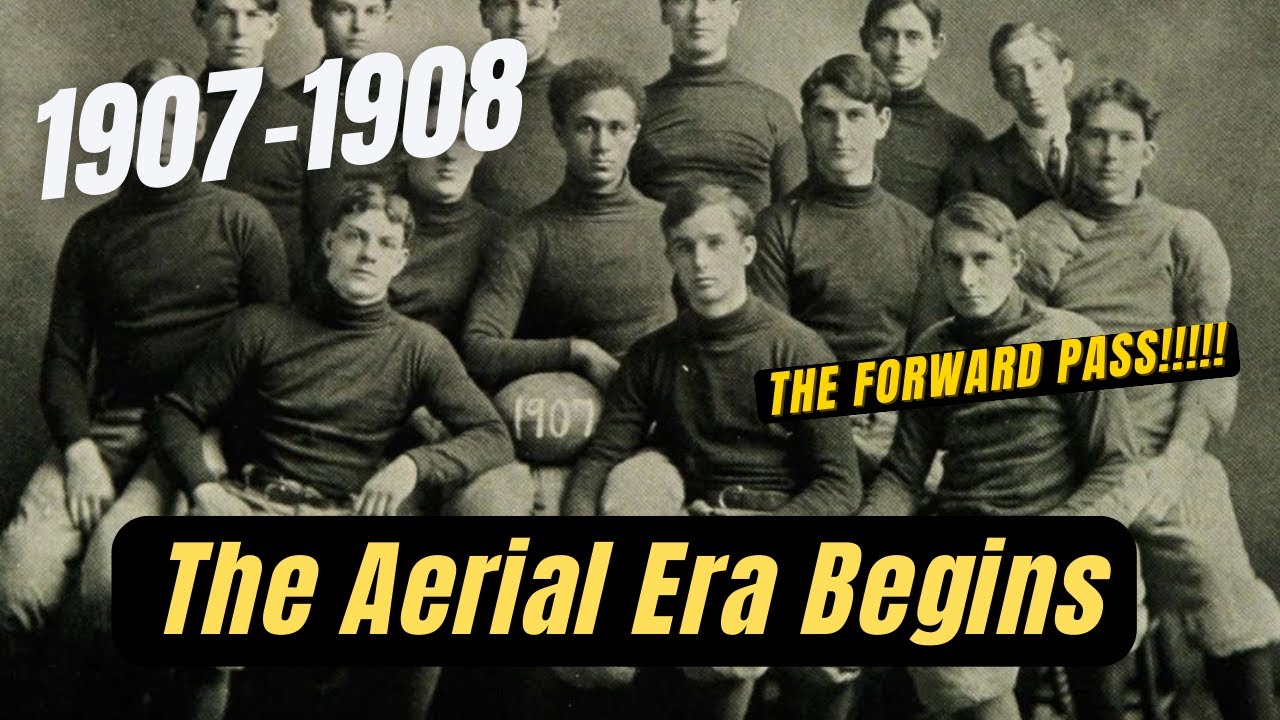
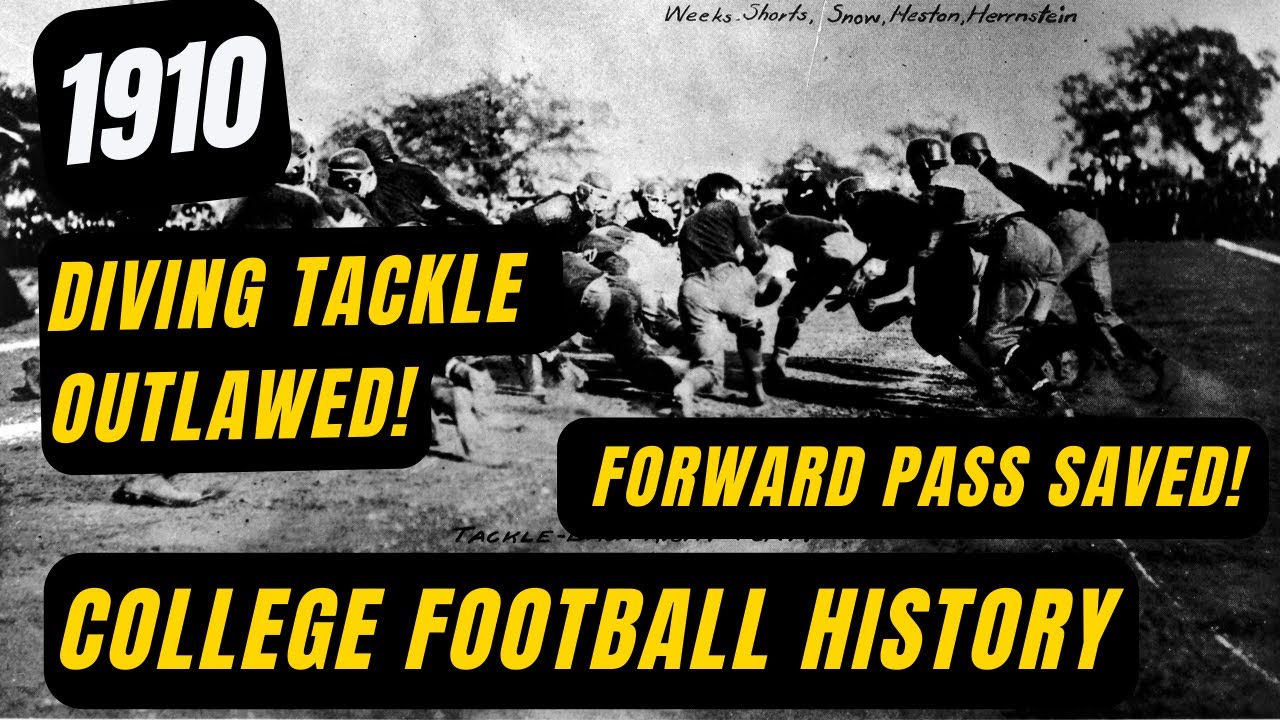
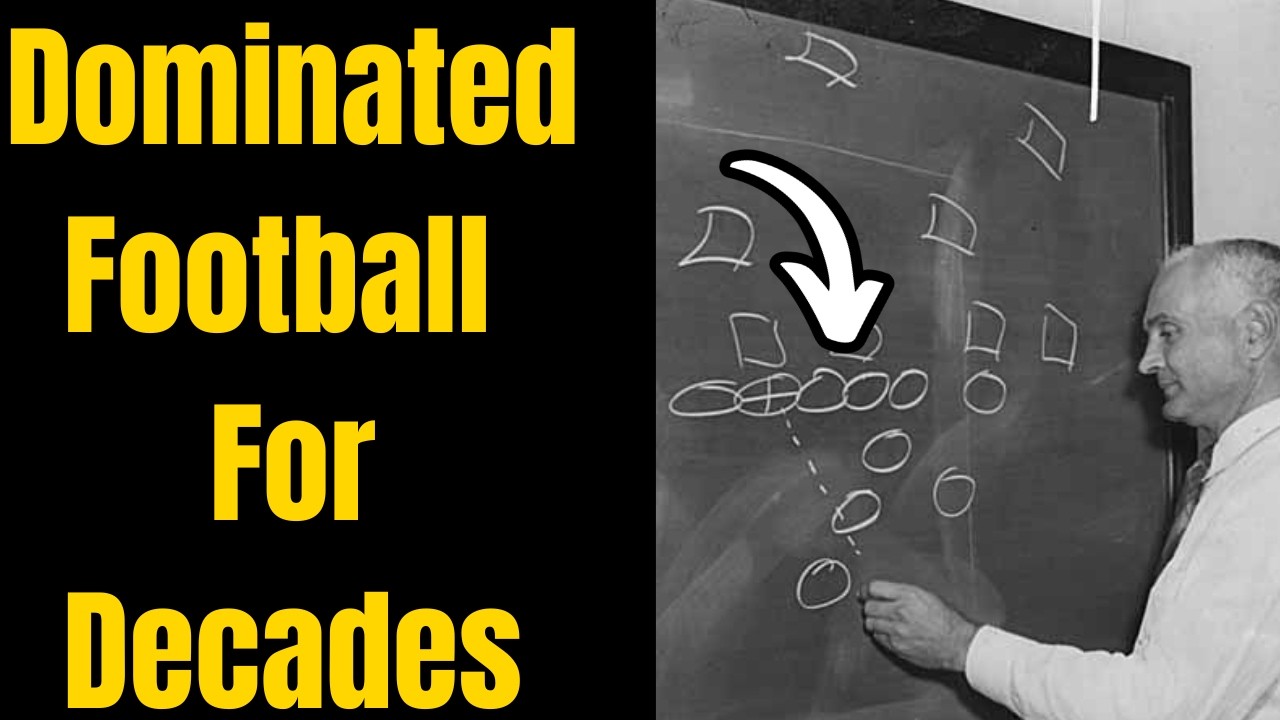
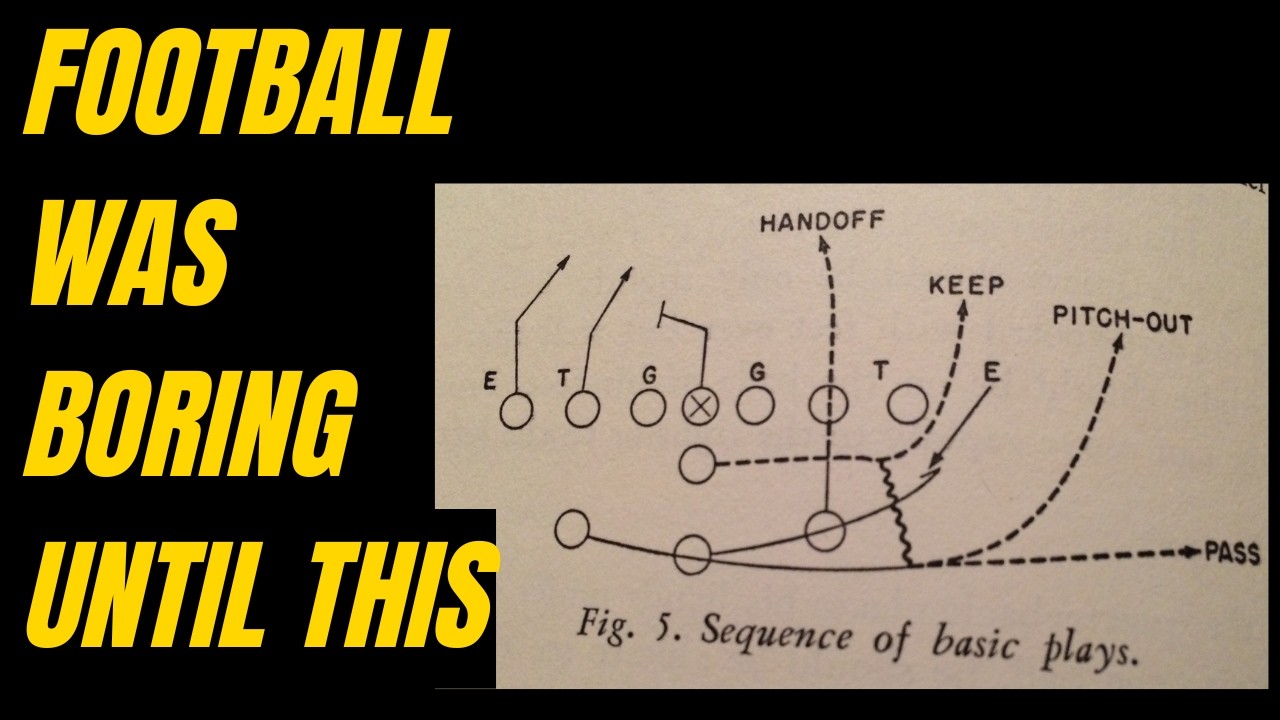
Stagg was a pioneer in college football history, contributing many innovations that are still part of the game today. His contributions include the development of formations like the 7-2-2 defense, the huddle, direct pass from center, and line shifts. He is also credited with promoting the use of the forward pass, which helped revolutionize offensive strategies. Stagg’s brainchildren extended beyond strategy; he introduced numerical player designations, wind sprints, and even the practice of awarding letters to athletes.
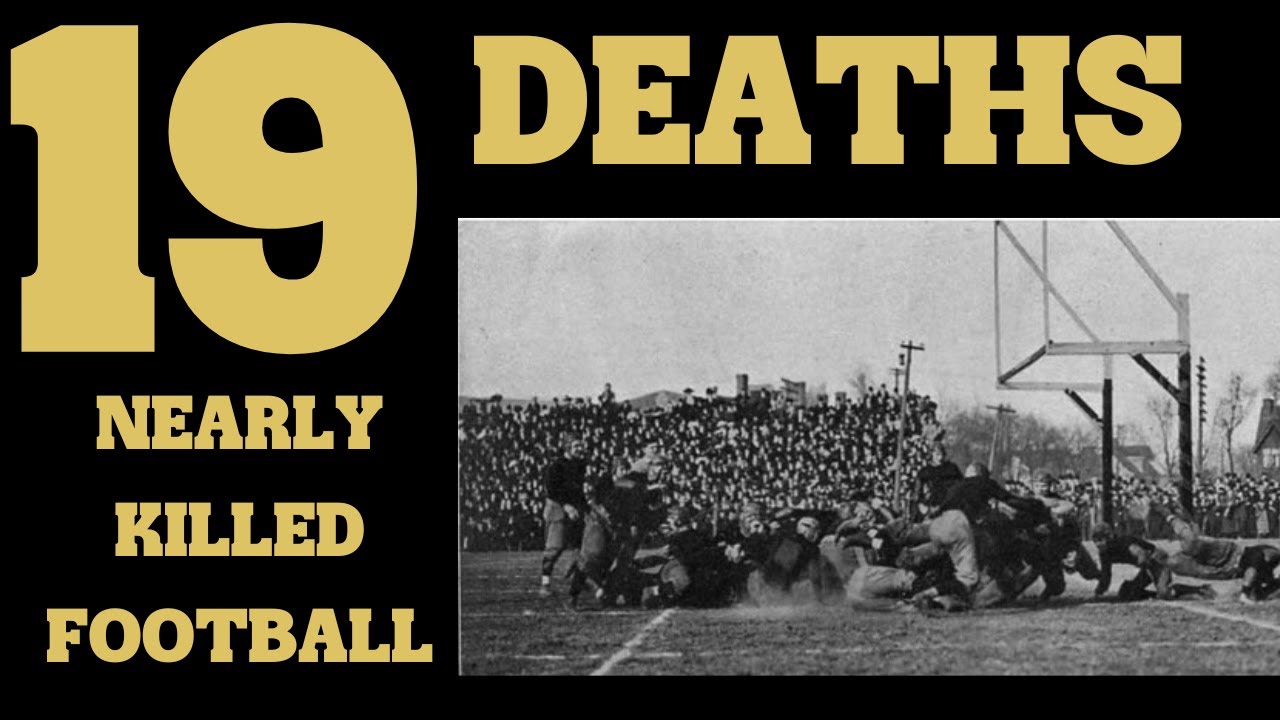
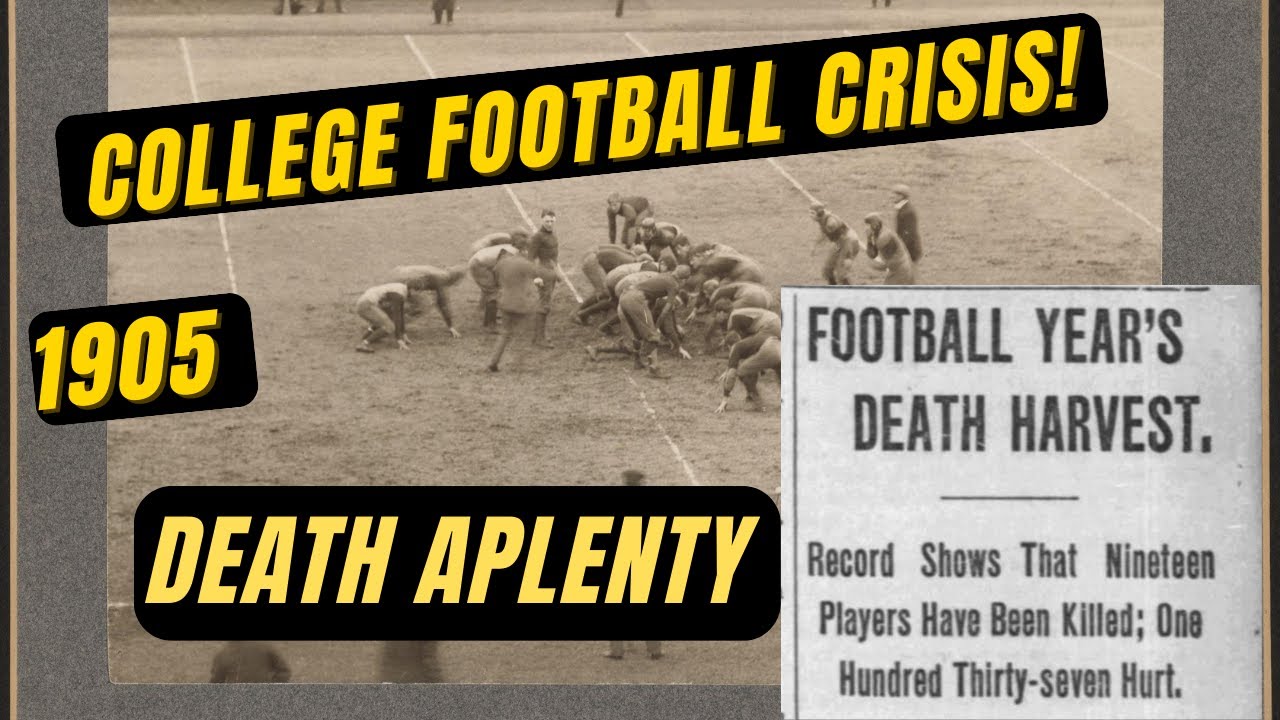
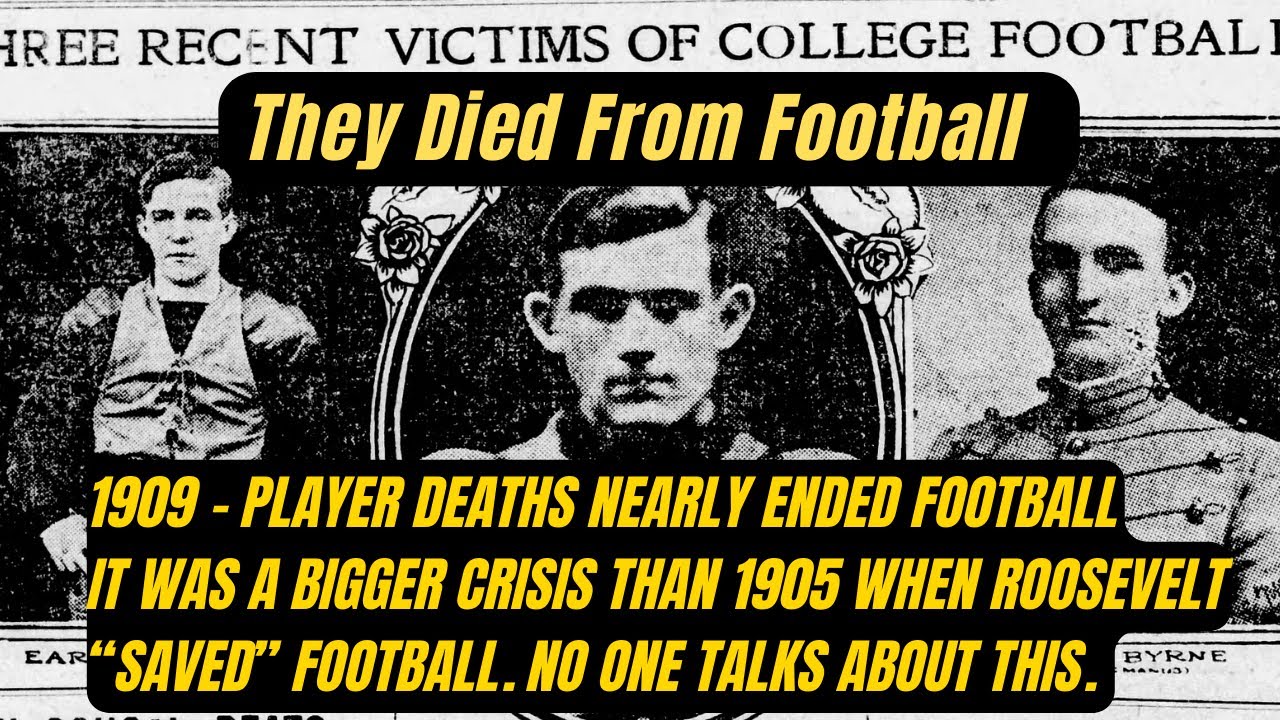
Beyond coaching, Stagg was deeply involved in promoting the sport on a national level. He served on the American Olympic Committee from 1906 to 1932 and coached the U.S. track and field team at the 1924 Paris Olympics. He also played a key role in the early Rules Committee, where he advocated for changes that made football safer, including the introduction of the forward pass and stricter regulations on player formations.
In his later years, Stagg continued to coach at the College of the Pacific, where he remained until age 84. He eventually retired in his late 90s but stayed involved in football, assisting his son, Amos Jr., at Susquehanna University.
Stagg’s influence on college football history is undeniable. He was inducted into the College Football Hall of Fame in 1951 as both a player and a coach, and the Division III Championship Game, known as the Stagg Bowl, honors his legacy. His lifetime dedication to the game and his numerous innovations cement his place as one of the most important figures in football history.
00:00 Introduction
01:02 Personal Life
08:07 Football – Playing And Coaching
11:49 Innovations
16:26 Legacy
💥 PATREON – https://patreon.com/hcfbh
💥 JON’S BOOKS:
Been Dead, Never Been To Europe – Memoir About My Death And Recovery – https://amzn.to/3CgnmJP
Manage Your Damage – Heart Attack Survivor – https://amzn.to/3MkIy6i
The Mystery of the Dent in My Head – https://www.amazon.com/dp/B0CMKCB54P
HCFBH is reader-supported. When you buy through links on our site, we may earn an affiliate commission.