The college football national championship has been disputed since the sport began. For over 150 years, college football history is filled with controversial title claims, split championships, and systems designed to crown a winner that never quite worked. From retroactive selections by self-appointed historians to computer formulas created by country music consultants, the quest for a legitimate college football national championship has been anything but straightforward.
Early College Football History: Before the Polls
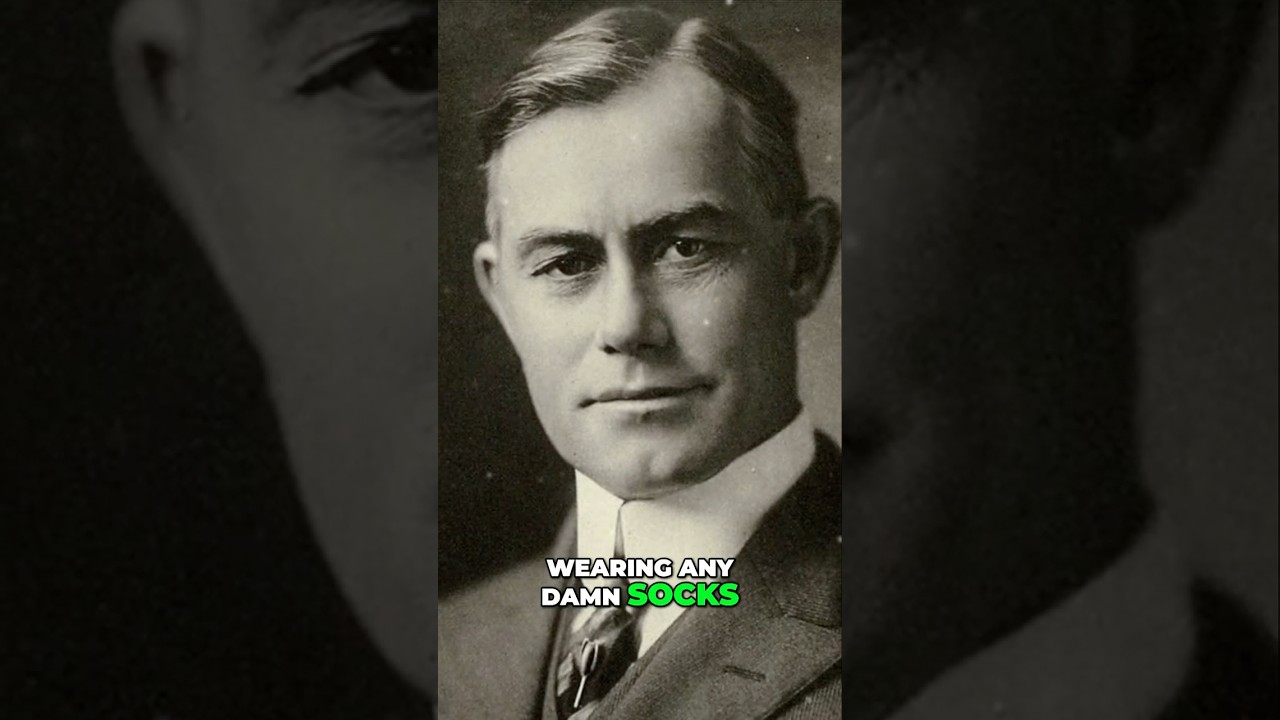
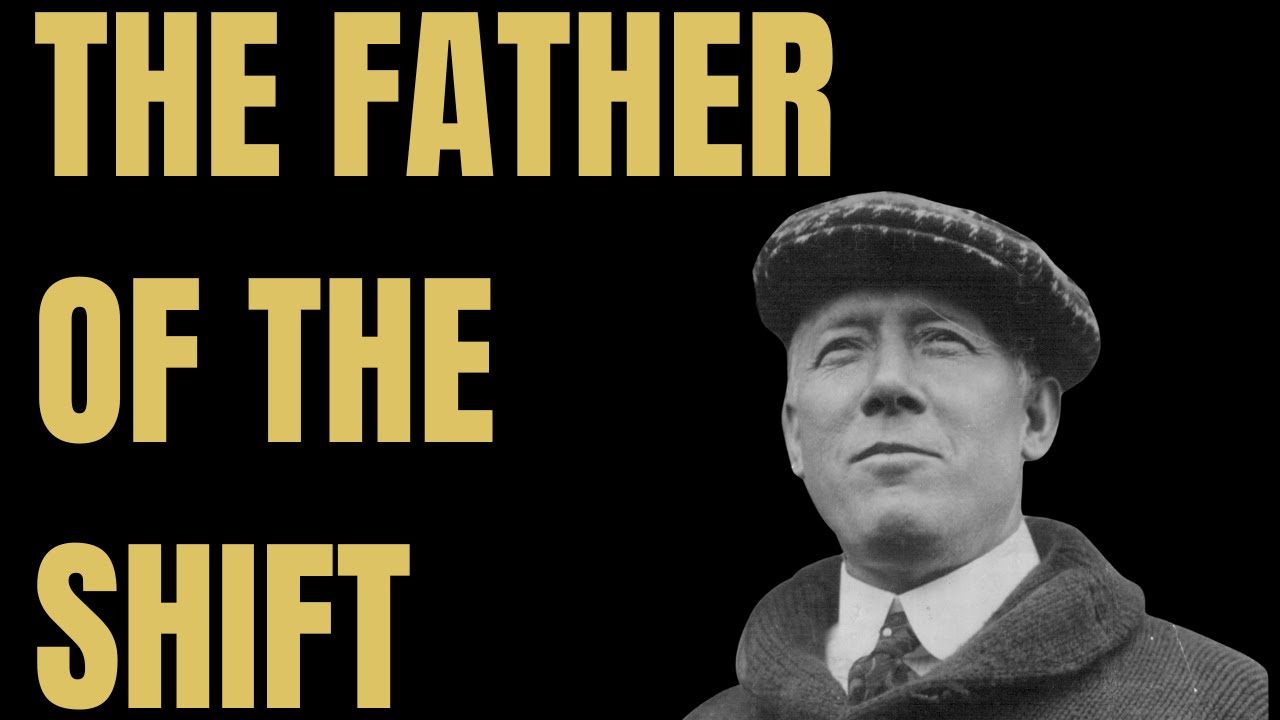
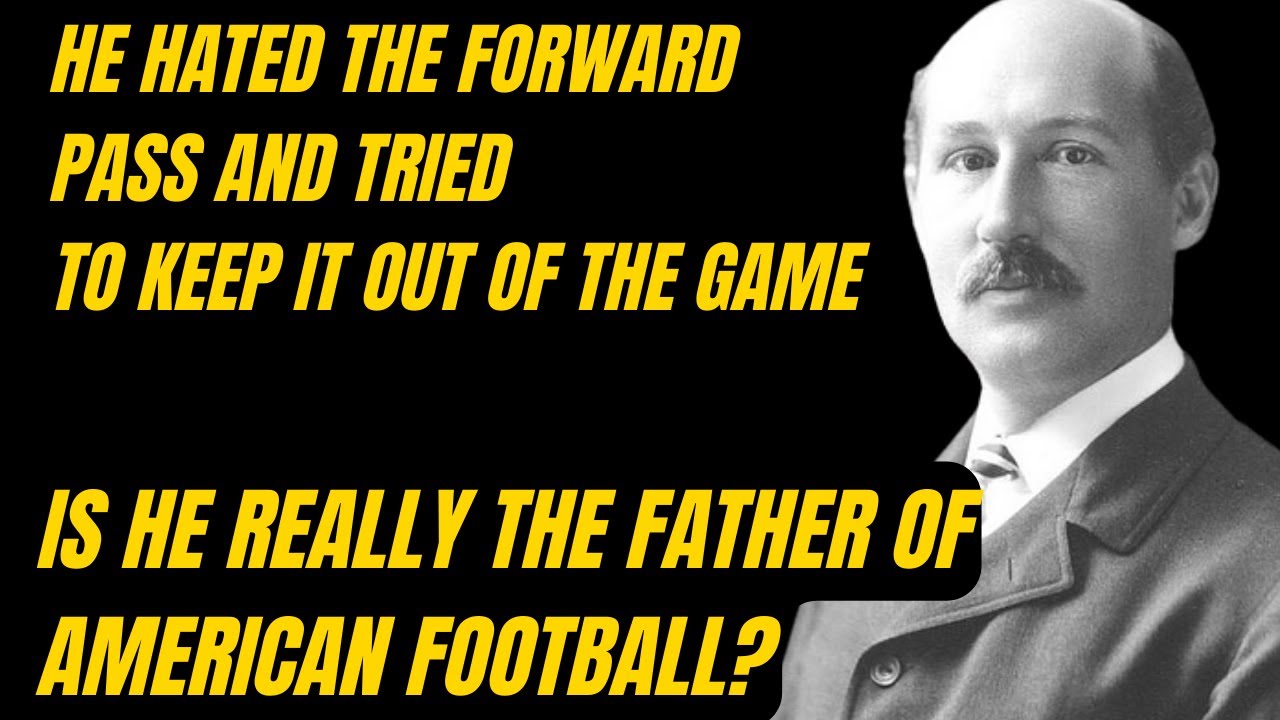
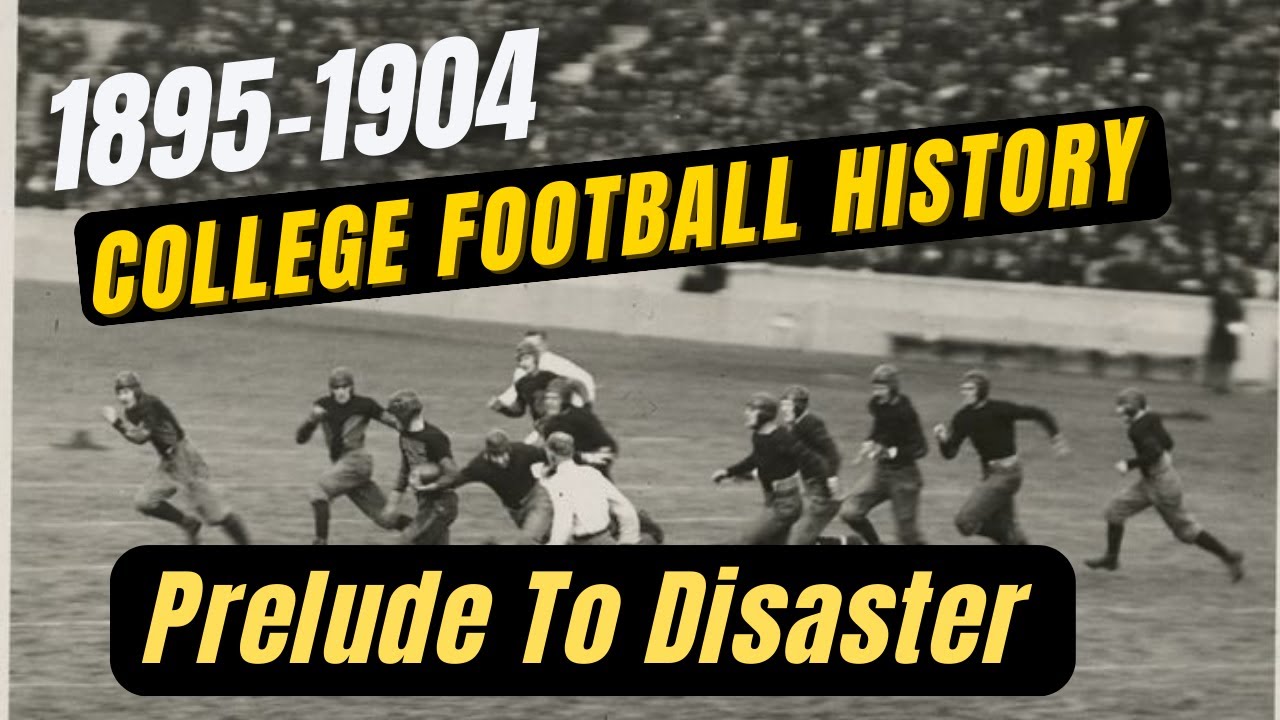
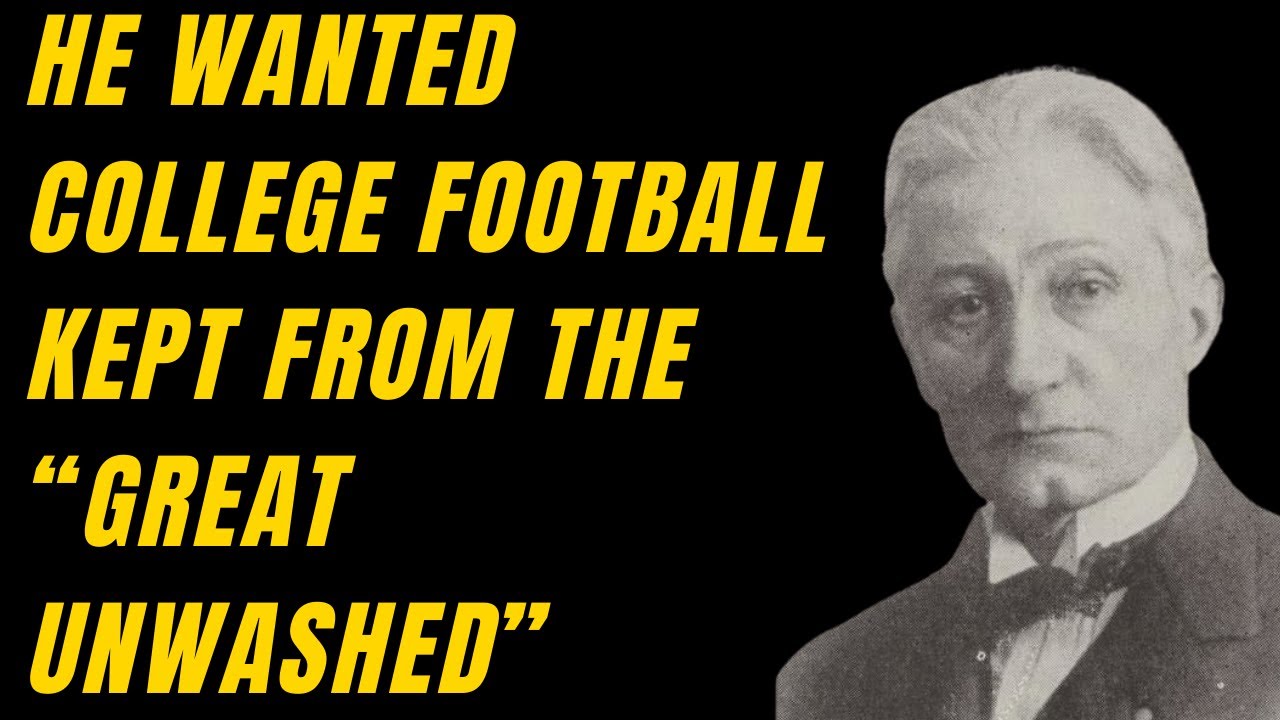
College football history before 1936 had no official system for determining a national champion. Football historian Parke Davis sat at his desk in the early 1930s and retroactively declared champions for seasons that had ended decades earlier. Players who had long since died learned posthumously they were college football national championship winners. Davis selected 94 teams across 61 seasons, and schools still cite his work today when claiming titles.
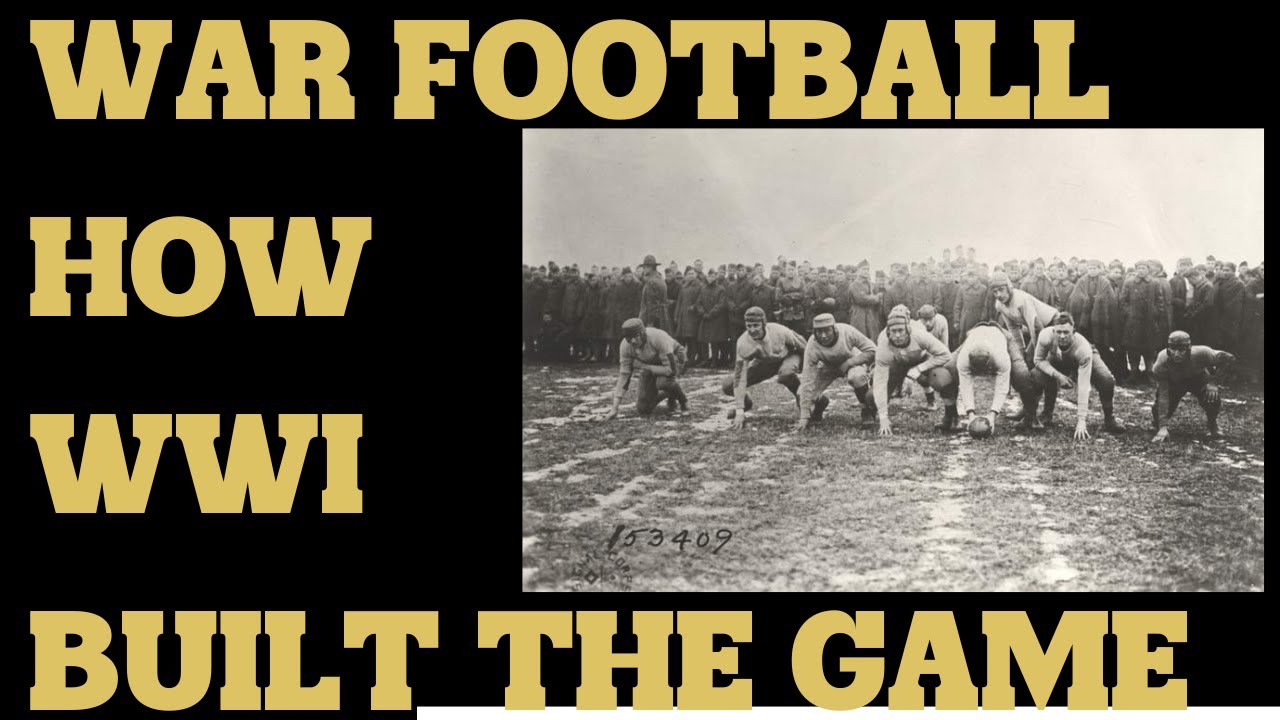
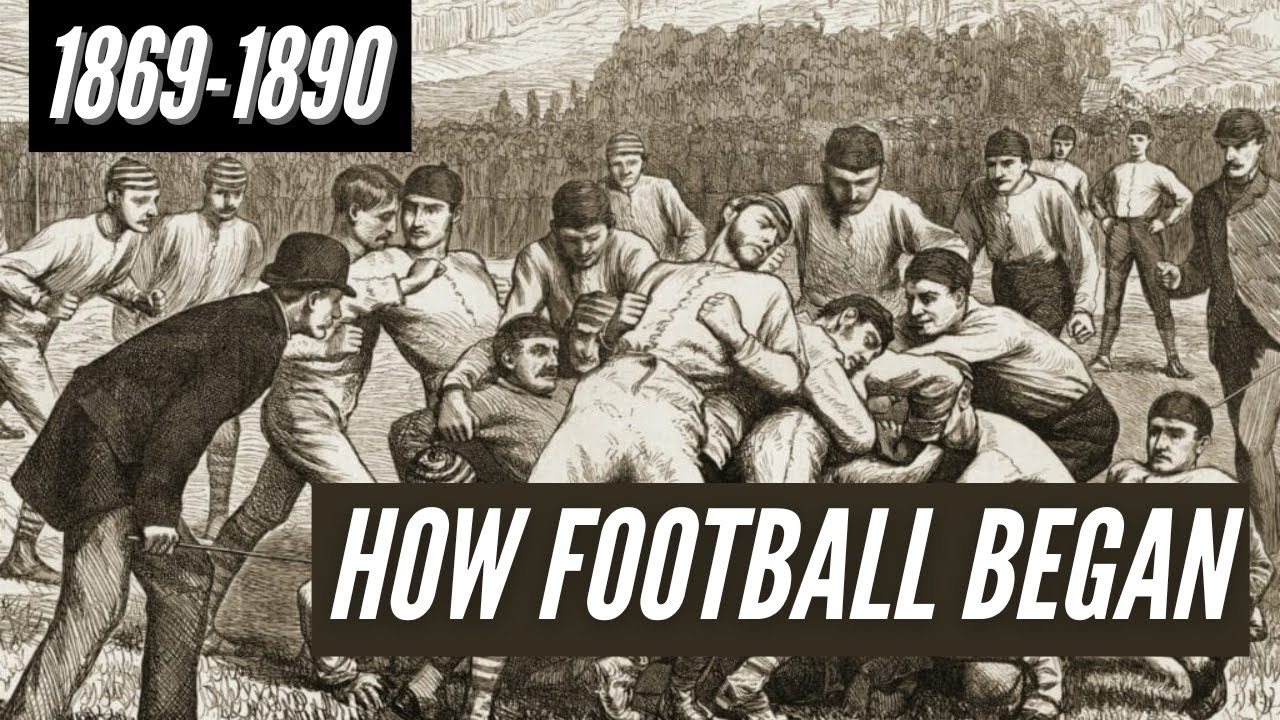
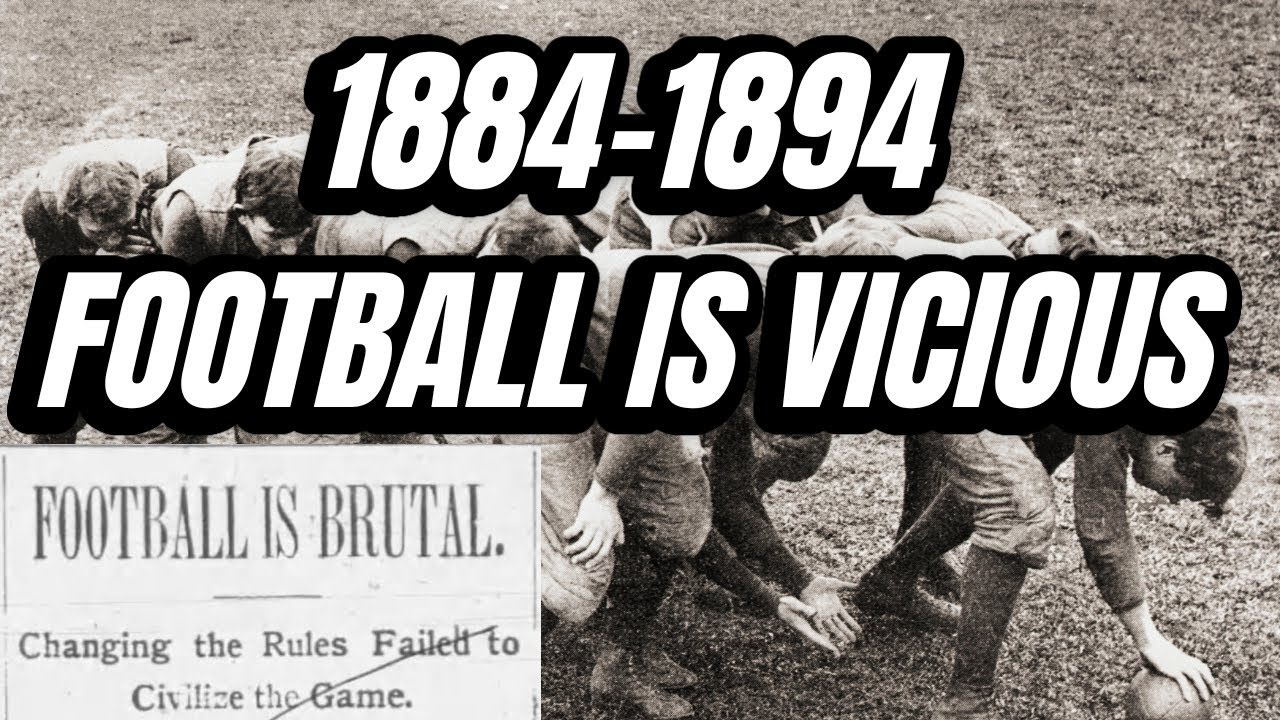
The regional nature of early college football made comparisons impossible. Teams played whoever was nearby due to travel limitations. An undefeated Yale squad might never face a common opponent with an undefeated Texas squad. Comparing them required guesswork, not competition.
The AP Poll Era Changes College Football History
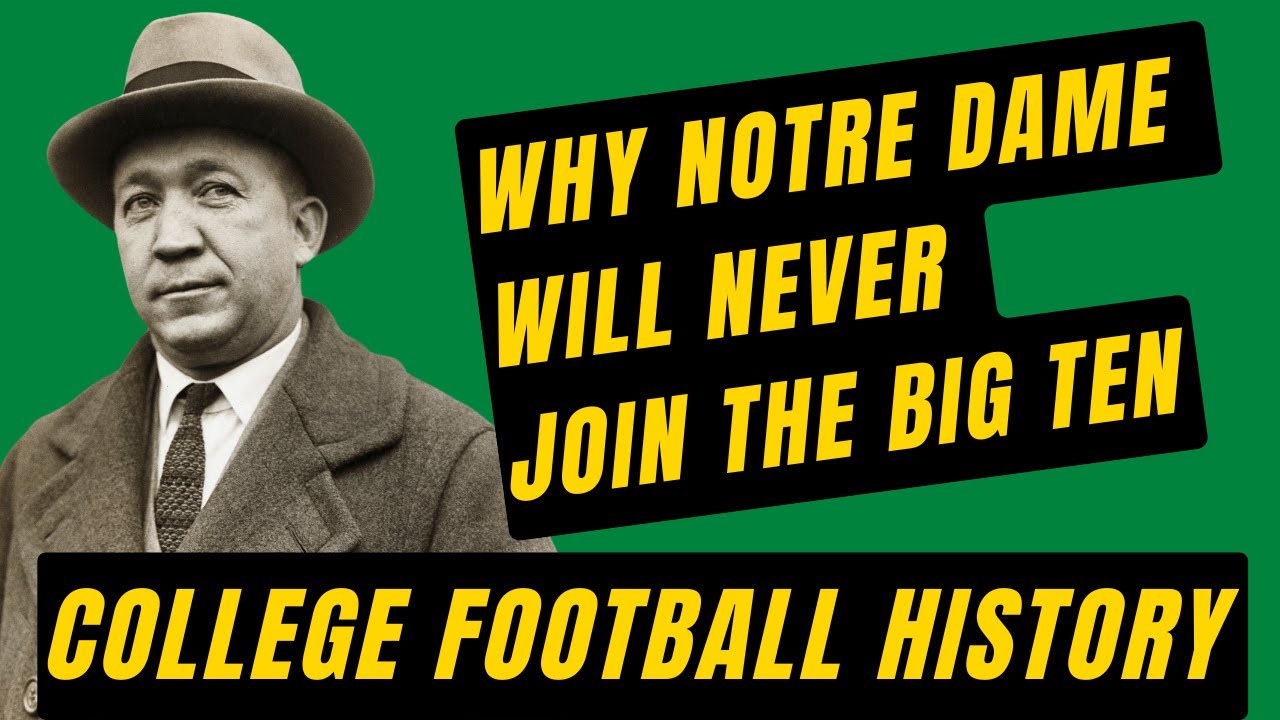
The Associated Press launched its college football poll in 1936, forever changing college football history. But the system had a crucial flaw: the final poll came out before bowl games. This wasn’t accidental. Notre Dame and the Big Ten didn’t participate in bowl games, viewing them as commercial exhibitions beneath their status. The college football national championship system was designed to protect powerful programs.
When United Press International launched the coaches’ poll in 1950, college football history entered its “two popes” era. Two authorities now declared college football national championship winners. They agreed for exactly four years before splitting in 1954 when the AP chose Ohio State and coaches chose UCLA.
By 1964, three different organizations crowned three different college football national championship winners in the same season. Alabama, Arkansas, and Notre Dame all claimed the title. College football history had devolved into farce.
Championship Inflation: Alabama’s 18 Titles
One of the most controversial chapters in college football history involves how schools count their college football national championship claims. Alabama currently claims 18 national championships through creative accounting. Their 1941 claim comes from a selector called the Holgate system despite finishing 20th in the AP poll that year.
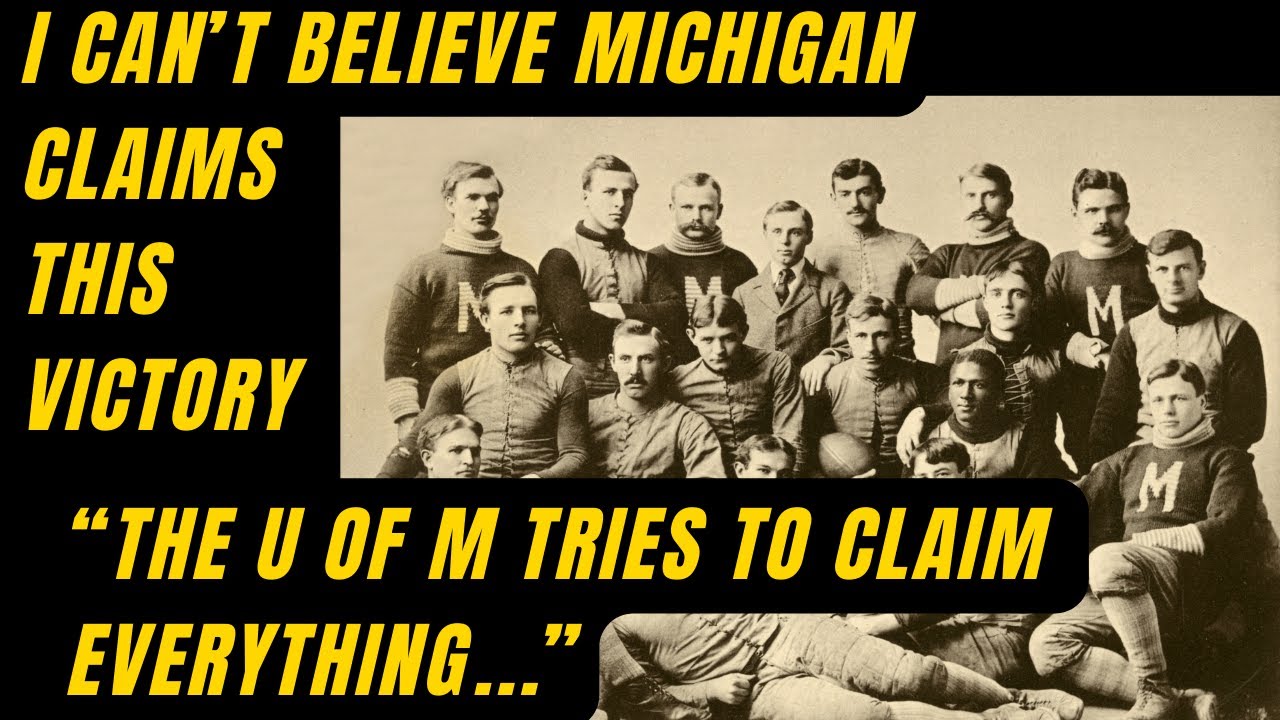
Other programs in college football history have taken a different approach. Penn State leaves potential 1969 and 1994 titles unclaimed. Nebraska ignores seven possible championships from early selectors. Michigan has about six unclaimed titles from various selectors. These programs decided that claiming championships nobody remembers isn’t worth the asterisk.
Alabama’s aggressive approach to college football national championship claims has shaped recruiting pitches and program perception for decades.
BYU’s 1984 Title: The Outsider Crashes College Football History
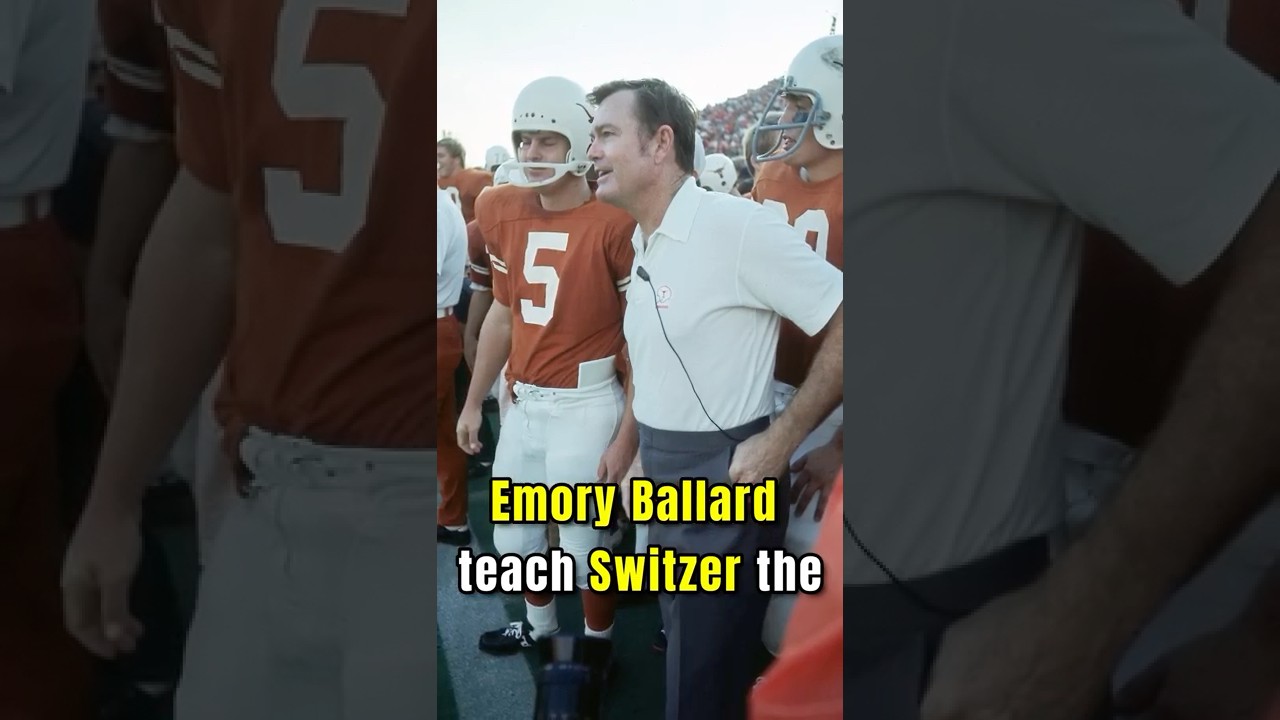
The 1984 season represents a pivotal moment in college football history. BYU from the Western Athletic Conference finished as the only undefeated team in America. The establishment revolted. Oklahoma’s Barry Switzer campaigned against their college football national championship claim. NBC’s Bryant Gumbel dismissed their opponents as “bow-diddley tech.”
BYU won the Holiday Bowl and claimed the college football national championship anyway. The power brokers responded by building systems to ensure outsiders could never crash the party again, reshaping college football history forever.
The BCS Era: Computers Enter College Football History
The Bowl Championship Series launched in 1998, promising to use computers to determine college football national championship matchups. College football history would finally have mathematical precision.
The system failed spectacularly. In 2003, USC was unanimous number one in every human poll. But BCS computers ranked LSU and Oklahoma higher. The AP writers revolted and crowned USC anyway, creating another split in college football history.
Richard Billingsley, whose computer poll helped determine BCS matchups, had no mathematical training. The country music consultant’s formula shaped college football national championship outcomes for over a decade.
The College Football Playoff: Same Arguments, New Format
The College Football Playoff arrived in 2014, promising to finally settle the college football national championship on the field. Four teams, three games, one undisputed champion.
The arguments in college football history didn’t stop. They shifted from debating number one versus number two to debating number four versus number five. The 12-team expansion in 2024 only multiplied the friction. Every November brings new seeding controversies that echo the disputes Park Davis was trying to resolve in 1930.
The Future of the College Football National Championship
After 150 years of college football history, we must acknowledge an uncomfortable truth: the chaos surrounding the college football national championship isn’t a bug in the system. It IS the system. The lack of clarity is exactly what makes college football history so rich, frustrating, and endlessly debatable.
Proposals to create NFL-style structures miss what makes college football history unique. The arguments, the grievances, the feeling that your team was cheated by an unfair system—these aren’t problems to solve. They’re features that keep fans engaged across generations.
The college football national championship will likely remain disputed. And college football history will continue being written by those arguments.