The most consequential play in college football history wasn’t supposed to exist.
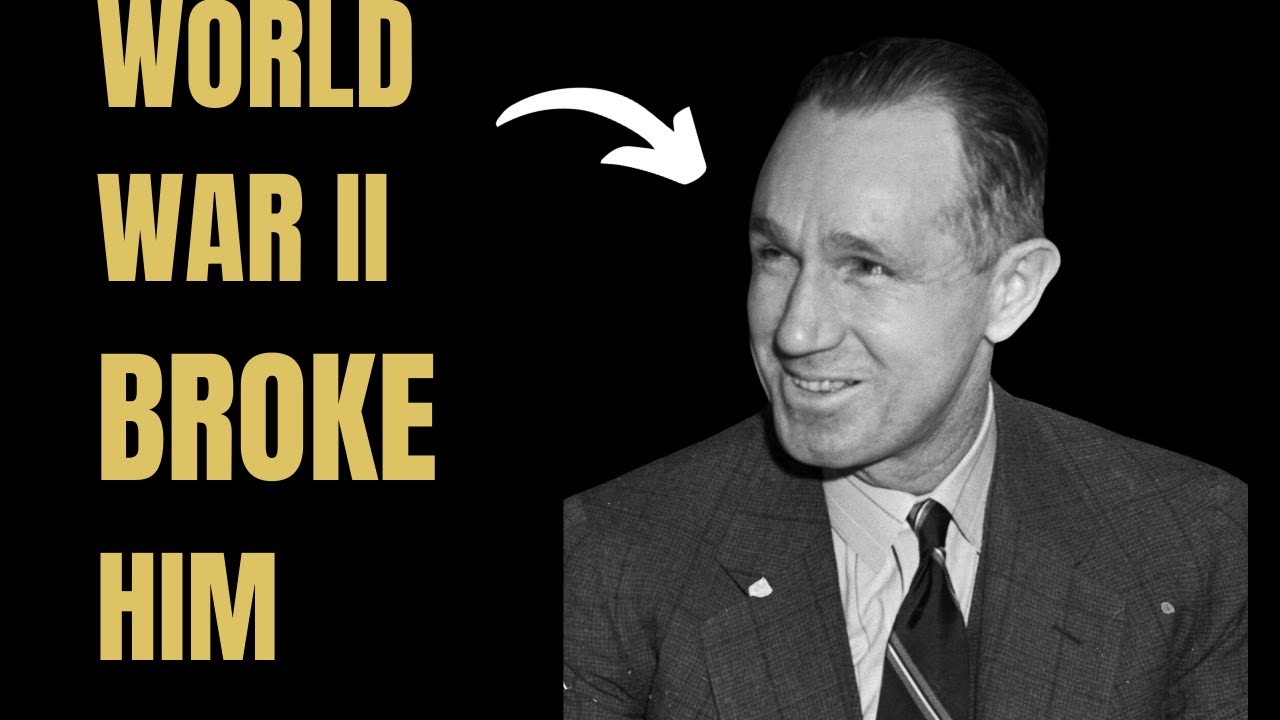
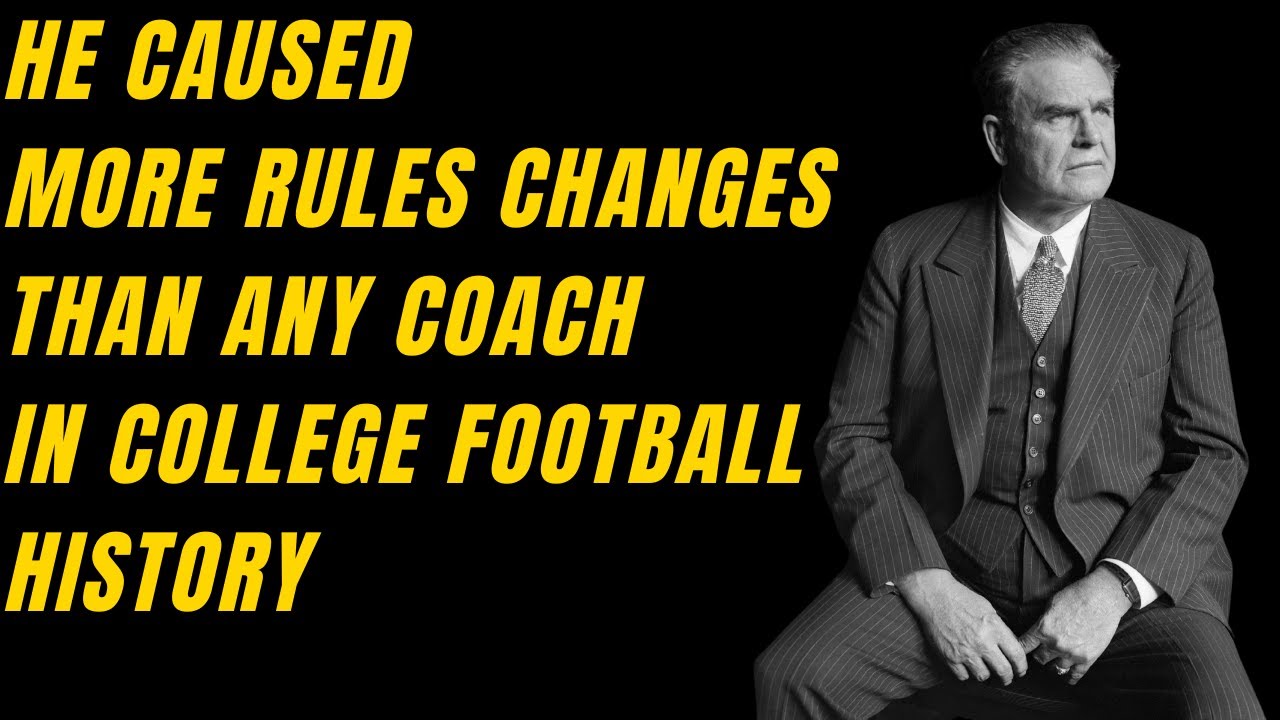
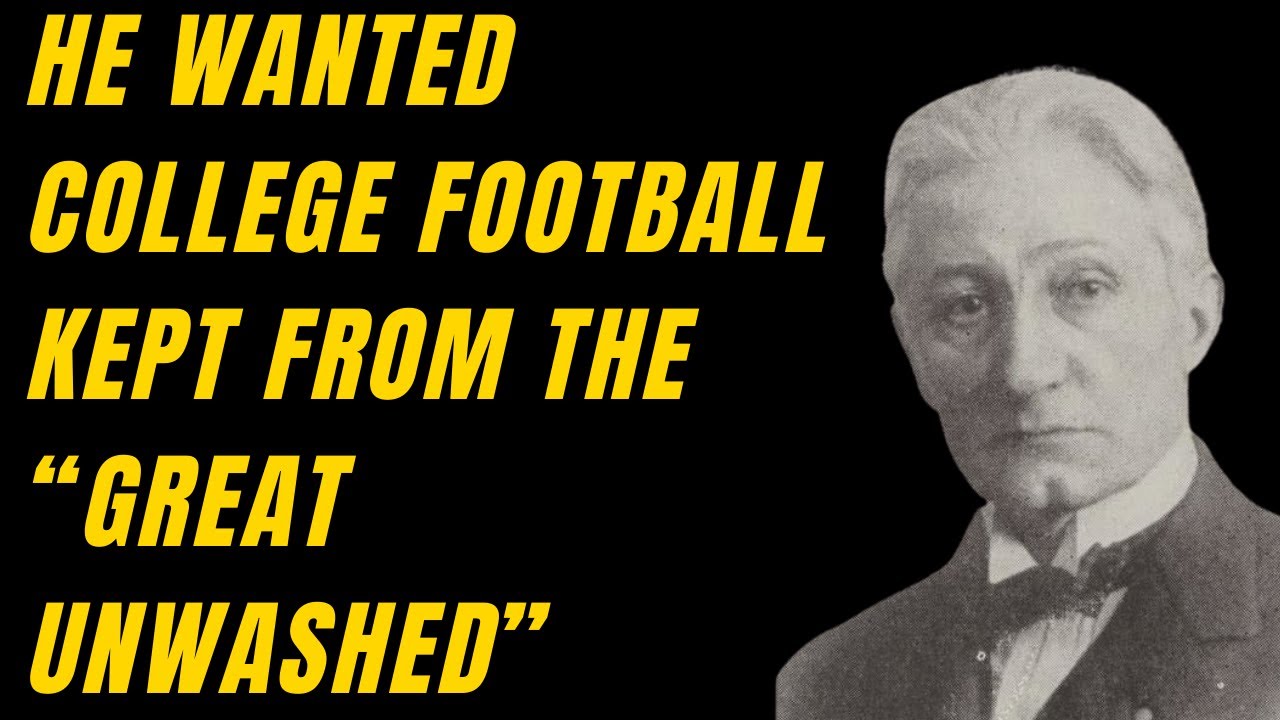
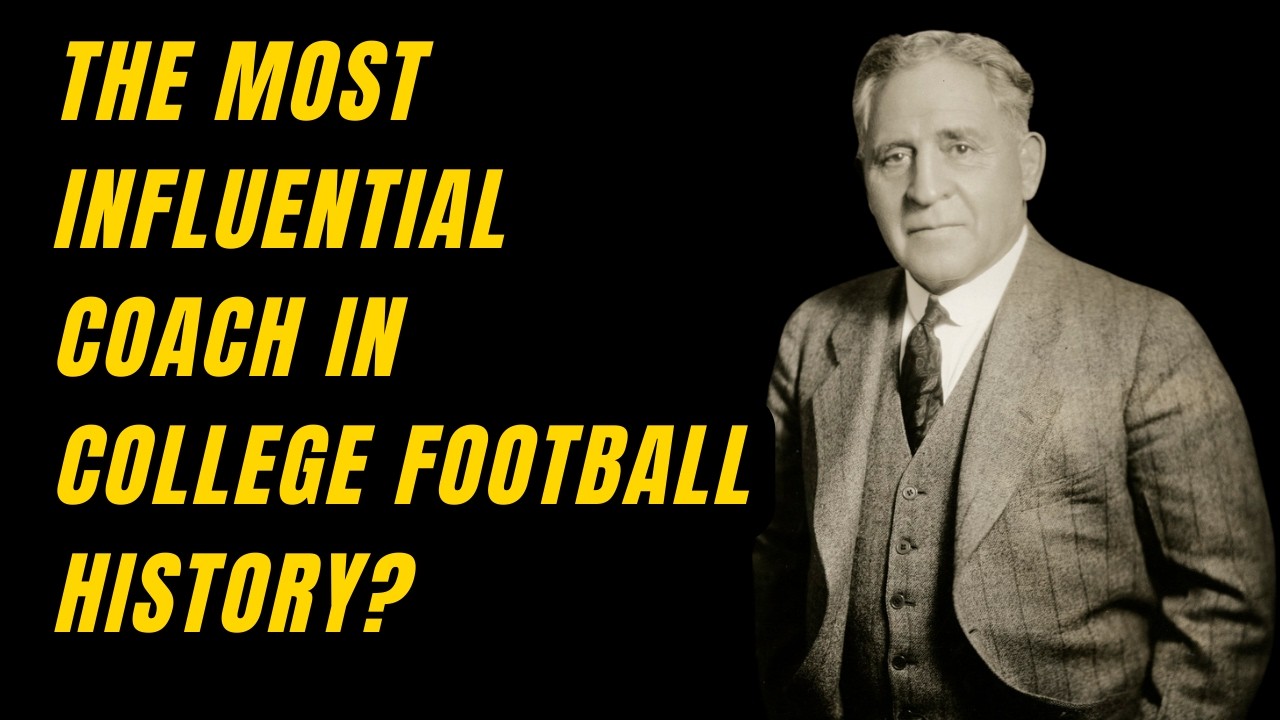
For five straight years, from 1953 to 1958, Michigan athletic director Fritz Crisler brought the same proposal to the NCAA Rules Committee. Give teams a choice after touchdowns: kick for one point or run/pass for two. And for five straight years, committee members told him no. The extra point was fine. His idea was unnecessary. It would encourage gambling. Coaches didn’t want it.
They were wrong about everything.
When the two-point conversion finally passed in January 1958, nobody predicted the chaos that would follow. Sports Illustrated thought it would reduce tie games by 75%. Coaches called it a “minor adjustment.” The reality? Teams attempted more two-point conversions than extra-point kicks in that first season. The strategic wrinkle Crisler promised became the default option overnight.
But the true vindication of Crisler’s crusade came on November 7, 1959, in Knoxville, Tennessee.
LSU entered the game as defending national champions riding a 15-game winning streak. They had Heisman winner Billy Cannon. They were favored by two touchdowns over Tennessee. With under two minutes left, they trailed 14-7 but marched down the field for a touchdown. Score: 14-13.
In the pre-1958 world, LSU’s coach Paul Dietzel kicks the automatic extra point, the game ends 14-14, and the dynasty continues. But Crisler’s rule change created a choice. Dietzel didn’t hesitate—he went for the win. Cannon took the handoff, stretched for the goal line, and came up six inches short as three Tennessee defenders converged.
The dynasty died right there.
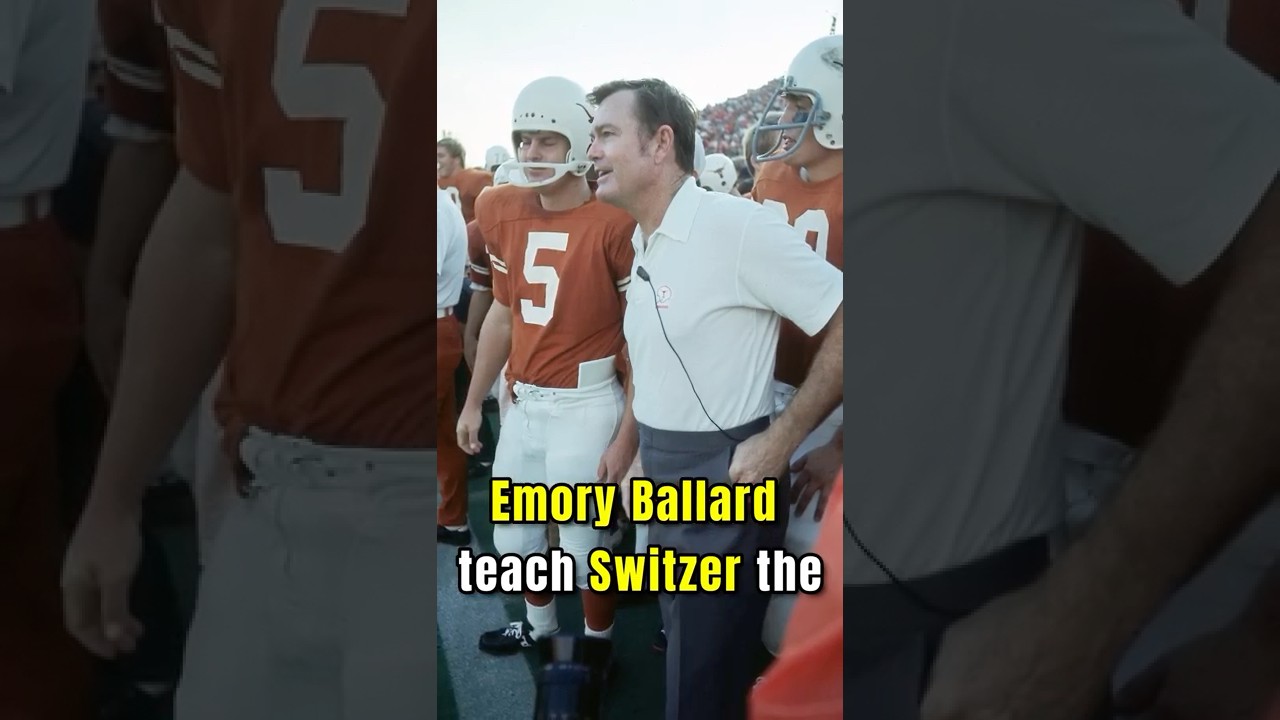
Ten years later, the two-point conversion crowned a champion. On December 6, 1969, Texas coach Darrell Royal faced Arkansas in the “Game of the Century” with President Nixon watching. Down 14-0 in the fourth quarter, Texas scored to make it 14-6. Royal went for two and converted, making it 14-8. That decision changed everything. When Texas scored again late, they only needed an extra point to win 15-14, securing the national championship.
The same rule that destroyed LSU’s dynasty in 1959 built Texas’s championship in 1969.
Yet despite these dramatic moments, the two-point conversion nearly died. When the NCAA widened goalposts in 1959, extra points became automatic, jumping from 48% success to 75% overnight. By the 1980s, kickers were hitting over 90%. Risk-averse coaches abandoned the two-point conversion for the guaranteed point.
The NFL refused to adopt the rule until 1994—36 years after college football proved it worked.
Fritz Crisler died in 1982, watching his innovation become a rarity. But modern analytics has finally vindicated his vision. The 2024 season saw the highest number of successful two-point conversions since 1970. It took decades, but college football history has come full circle.
The game is better when coaches must choose between safety and glory. Fritz Crisler spent five years fighting to give them that choice. College football has never been the same.