










On September 19, 1985, Jim Wacker made a career-ending decision. The TCU head coach discovered seven players, including Heisman candidate Kenneth Davis, were receiving monthly cash payments from boosters. He suspended them immediately and reported the violations to the NCAA. The media called it “Black Thursday.” TCU’s championship hopes evaporated overnight.
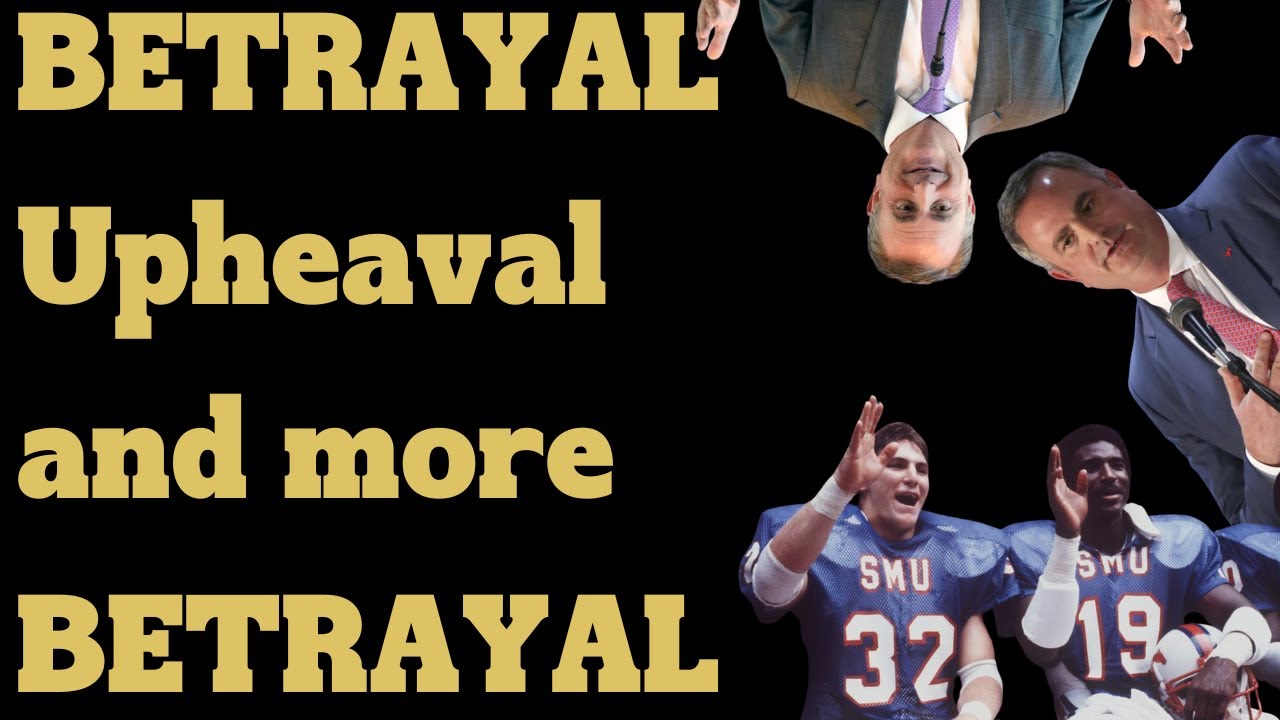
Meanwhile, 35 miles away in Dallas, a different story was unfolding. At SMU, Governor Bill Clements—the former Texas governor and SMU board chairman—was making his own decision. When he discovered players were being paid while SMU was already on probation, he didn’t suspend anyone. He ordered the payments to continue.
Two men. Two choices. One would destroy his career by telling the truth. The other would retire wealthy and live to 94.
The Most Corrupt Conference in History
By the mid-1980s, the Southwest Conference was a pressure cooker of corruption. Nine schools—eight in Texas, one in Arkansas—were fighting over the same recruits. The solution? Money. Lots of it.
This was peak Texas oil boom. Wildcatters became overnight millionaires. Dallas businessmen had cash they didn’t know how to spend. At Texas A&M, boosters showed recruits briefcases containing $50,000. Houston accumulated over 250 NCAA violations between 1978 and 1986. Even flagship Texas was dirty—cash payments, loaned cars, ticket scalping.
Seven of nine Southwest Conference schools were either on probation, under investigation, or about to be. The media called it “the Old West”—a place where teams could get away with anything.
The Death Penalty
The bubble burst on February 25, 1987. The NCAA announced the death penalty for SMU. The entire 1987 season was canceled. The 1988 home schedule was wiped out. It remains the only time the death penalty has ever been imposed on a major college football program.
Two weeks later, Bill Clements held a press conference and admitted everything. He confirmed the board knew about the payments. He confirmed he ordered them to continue because they had “a moral obligation” to honor commitments to players. As a sitting governor admitting to running an illegal payroll scheme, Clements was never charged with a crime. Paying athletes wasn’t illegal under Texas law—just NCAA rules.
The Conference Collapses
By 1989, when SMU returned to football, it was a slaughter. On October 21st, Houston beat SMU 95-21. The humiliation was complete.
Arkansas fled to the SEC in 1990. In 1996, Texas Lieutenant Governor Bob Bullock—a Texas Tech alum—forced a political hostage situation. Texas and A&M could join the Big Eight, but only if they brought Tech and Baylor. TCU, SMU, Rice, and Houston were abandoned.
The final Southwest Conference game was played December 2, 1995. After the Rice-Houston game ended, season ticket holders pulled the plug. Rice Stadium went dark. After 81 years, the Southwest Conference was dead.
The Uncomfortable Truth
For 25 years, this was a cautionary tale about greed. Jim Wacker was the martyr. The boosters were criminals. The death penalty was justice.
Then came June 21, 2021. The Supreme Court’s Alston decision tore down the NCAA’s amateurism model. By 2025, schools can share over $20 million directly with athletes. In 2022, SMU released a recruiting graphic featuring a gold Trans Am—the same car that once symbolized Eric Dickerson’s scandal. Dickerson retweeted it and laughed.
The Southwest Conference didn’t die because it was wrong. It died because it was early. The crime that killed the conference became the business model for modern college football. Maybe what really died wasn’t SMU—maybe what died was the illusion that this was ever about anything other than money.