




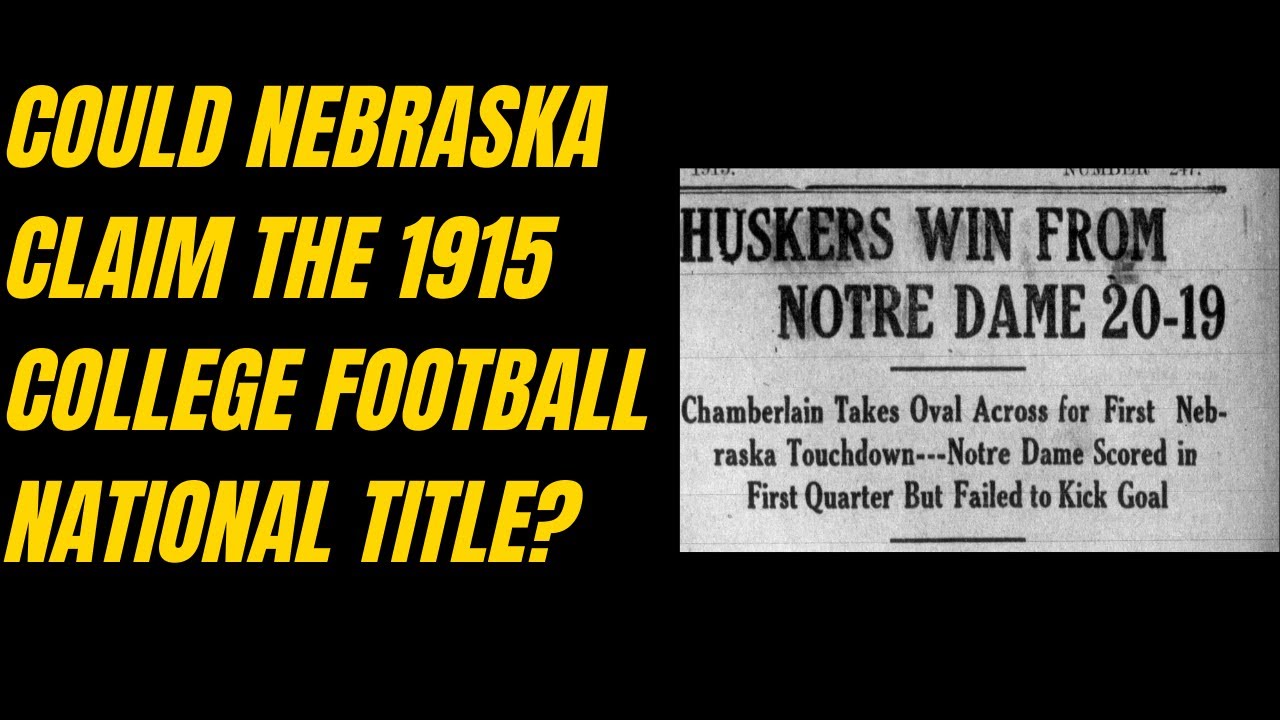
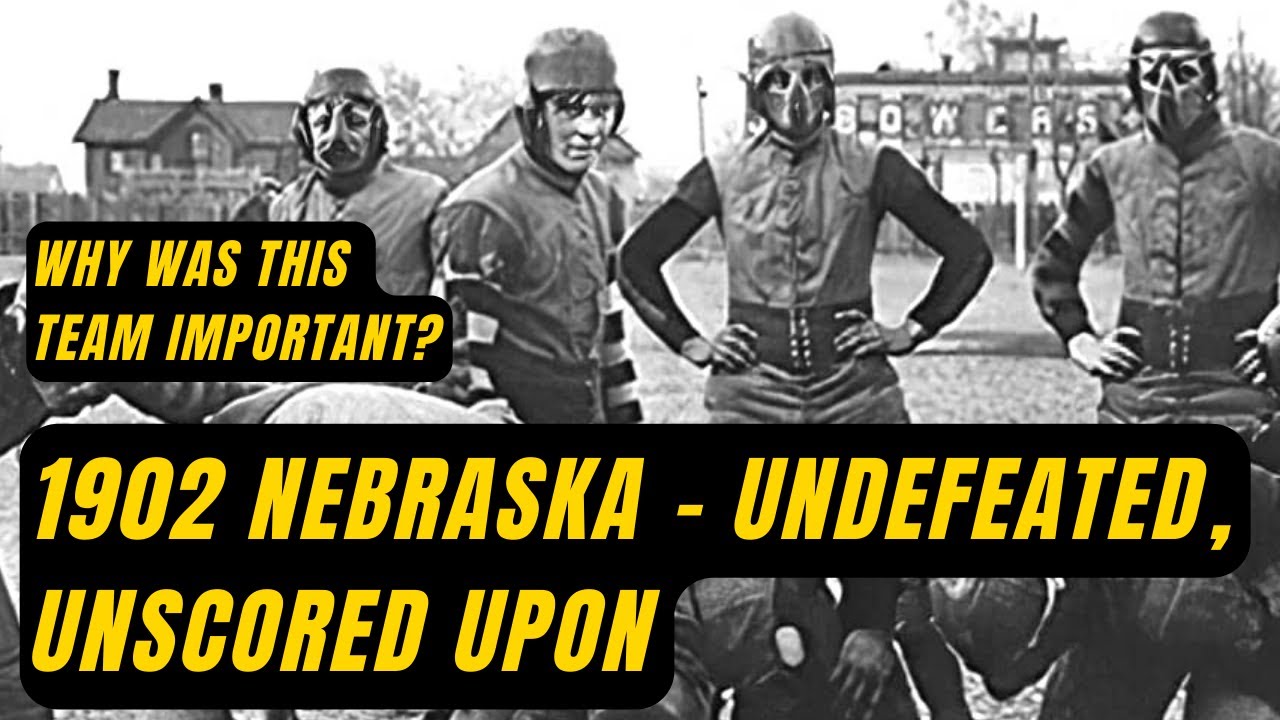



In the winter of 1915, Nebraska football stood at the threshold of history. The Cornhuskers had completed one of the most dominant seasons in college football history — an 8-0 record, a 34-game unbeaten streak, five consecutive Missouri Valley titles, and a victory over Notre Dame that announced to the country that a genuine powerhouse had emerged from the plains of Lincoln. When the Tournament of Roses extended an invitation to play in the only bowl game in existence, Nebraska had everything required to become the first true national power west of the Alleghenies.
They turned it down.
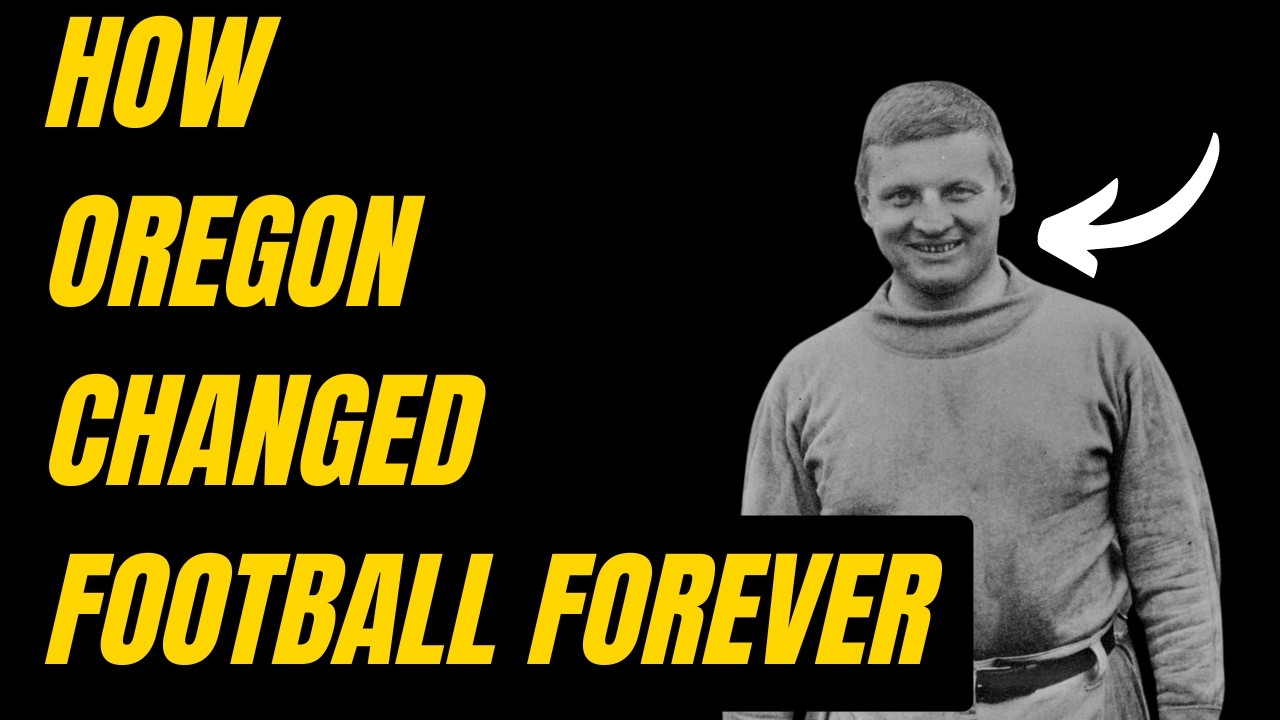
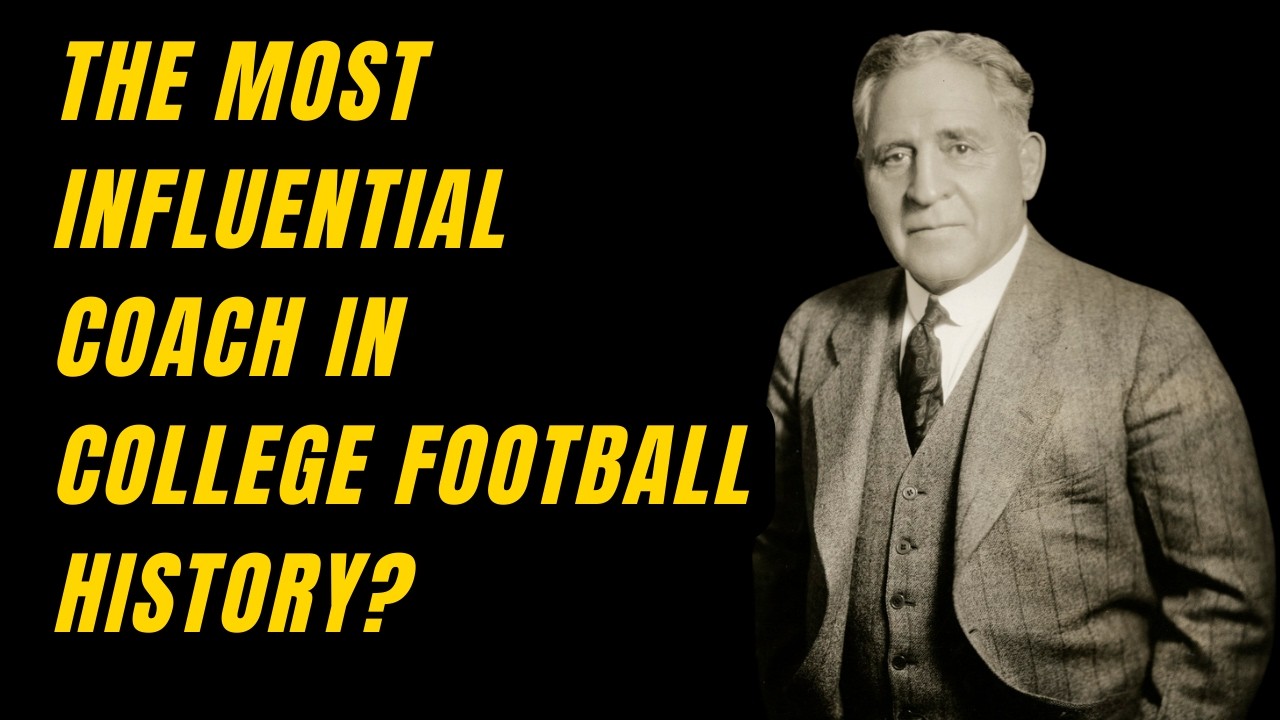
Ewald “Jumbo” Stiehm and the Machine He Built
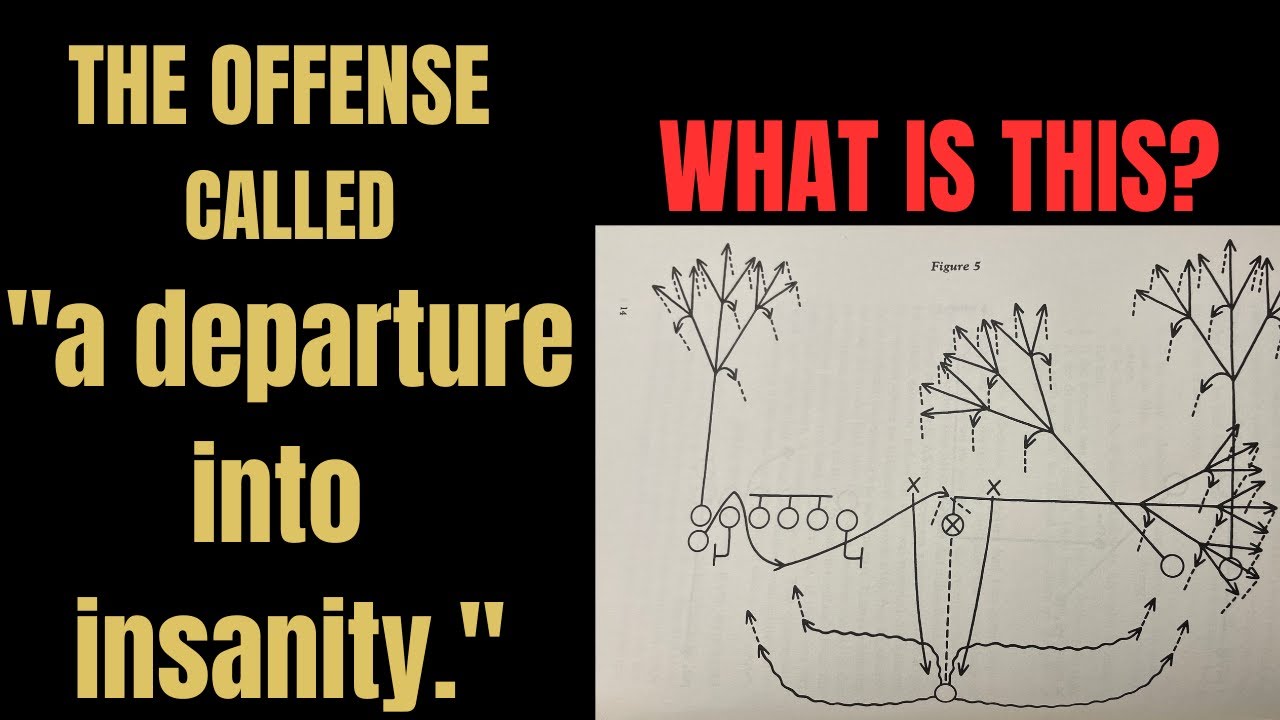
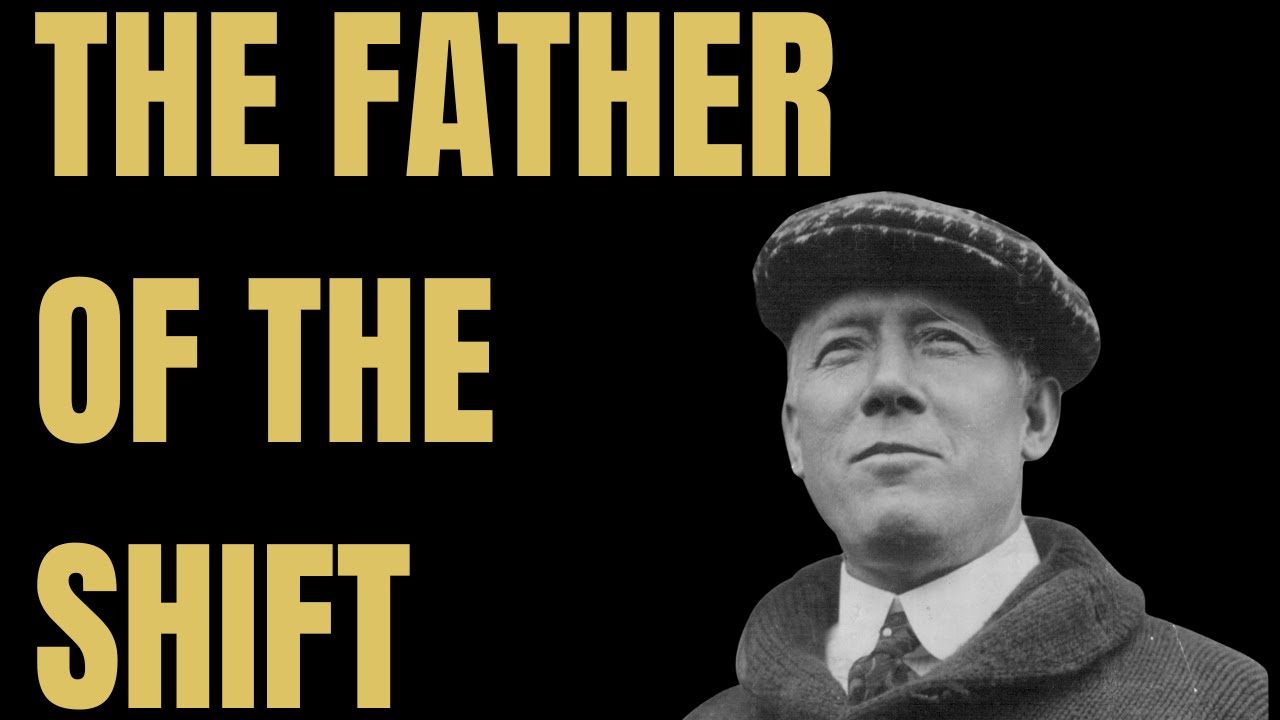
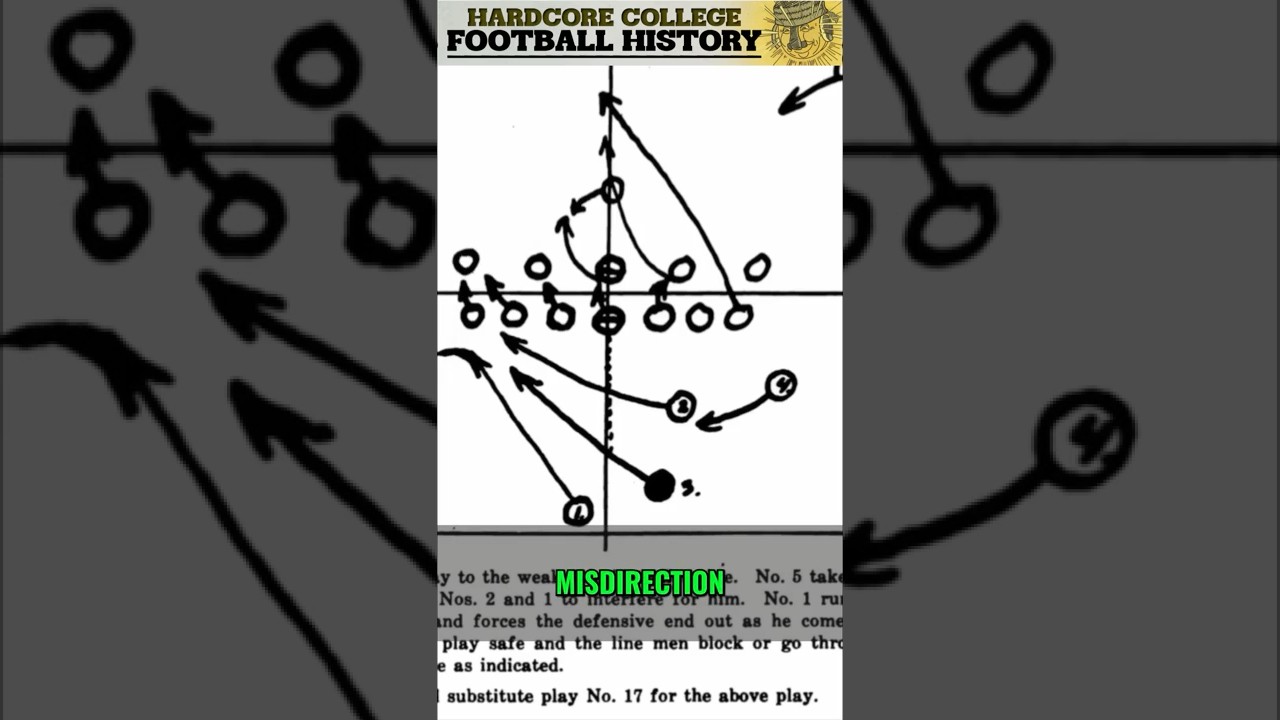
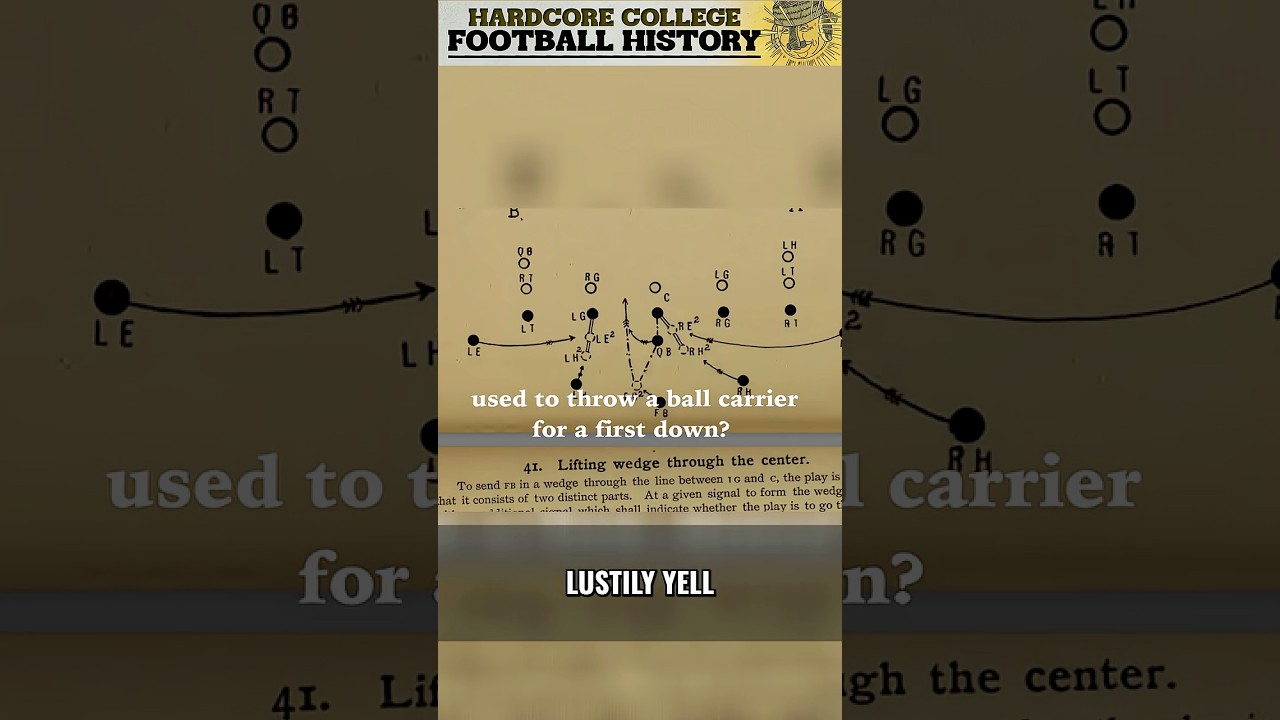
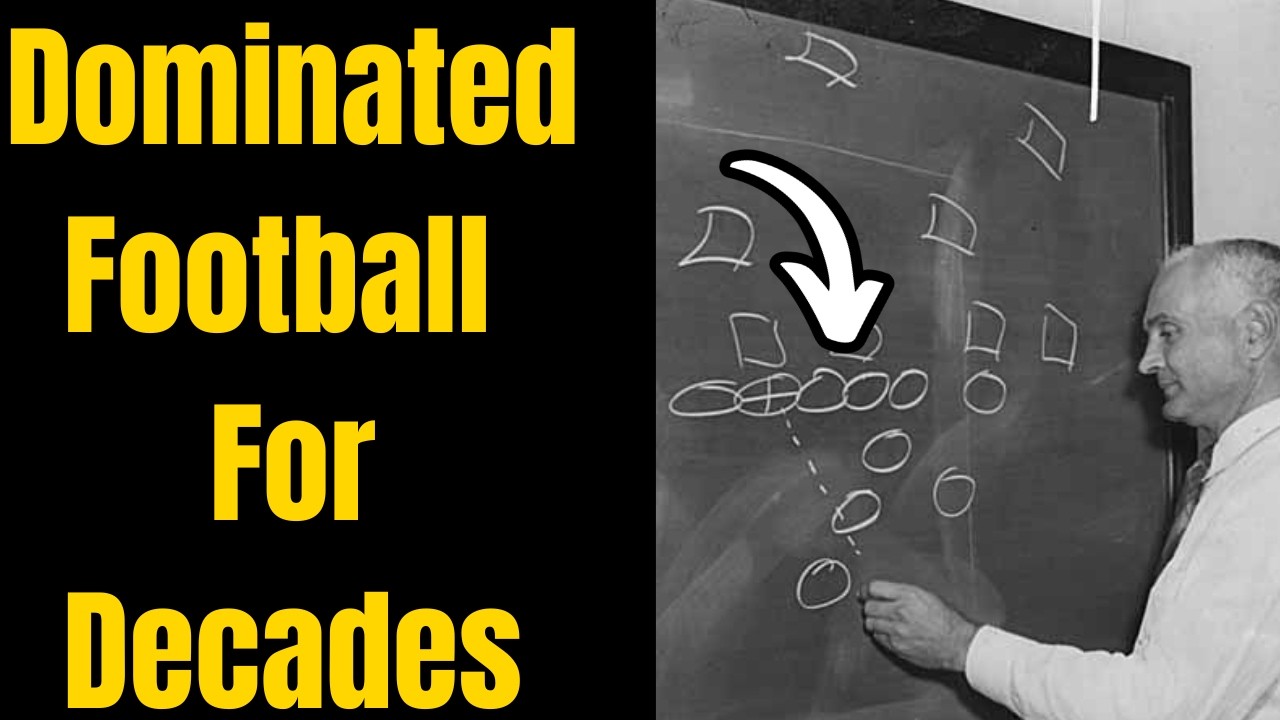
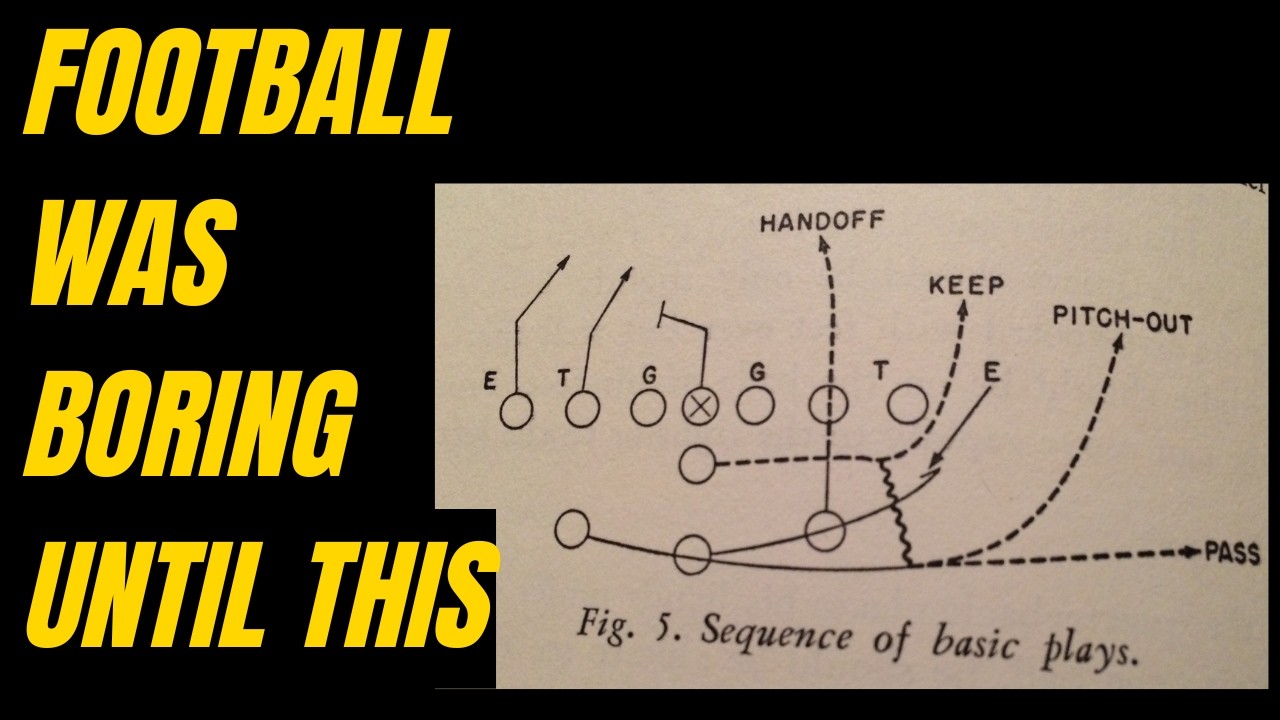
Ewald Stiehm was Nebraska’s first full-time year-round head coach, and his impact on the program was immediate and total. Where previous coaches had treated the position as seasonal, Stiehm approached football as a year-round engineering problem. He built a high-tempo system around superior conditioning and leverage, pioneered an early version of the shift offense that foreshadowed the complex schemes of later decades, and developed a physical style of play that exhausted opponents before halftime.
The results were historic. In five seasons, Stiehm compiled a 34-game unbeaten streak and won five consecutive Missouri Valley Conference titles without losing a single conference game. His 1915 team outscored opponents 282-39 across eight games, defeated Notre Dame in a landmark intersectional matchup, and produced Guy Chamberlin — the first consensus All-American in Nebraska football history and one of the most decorated players of the early 20th century.
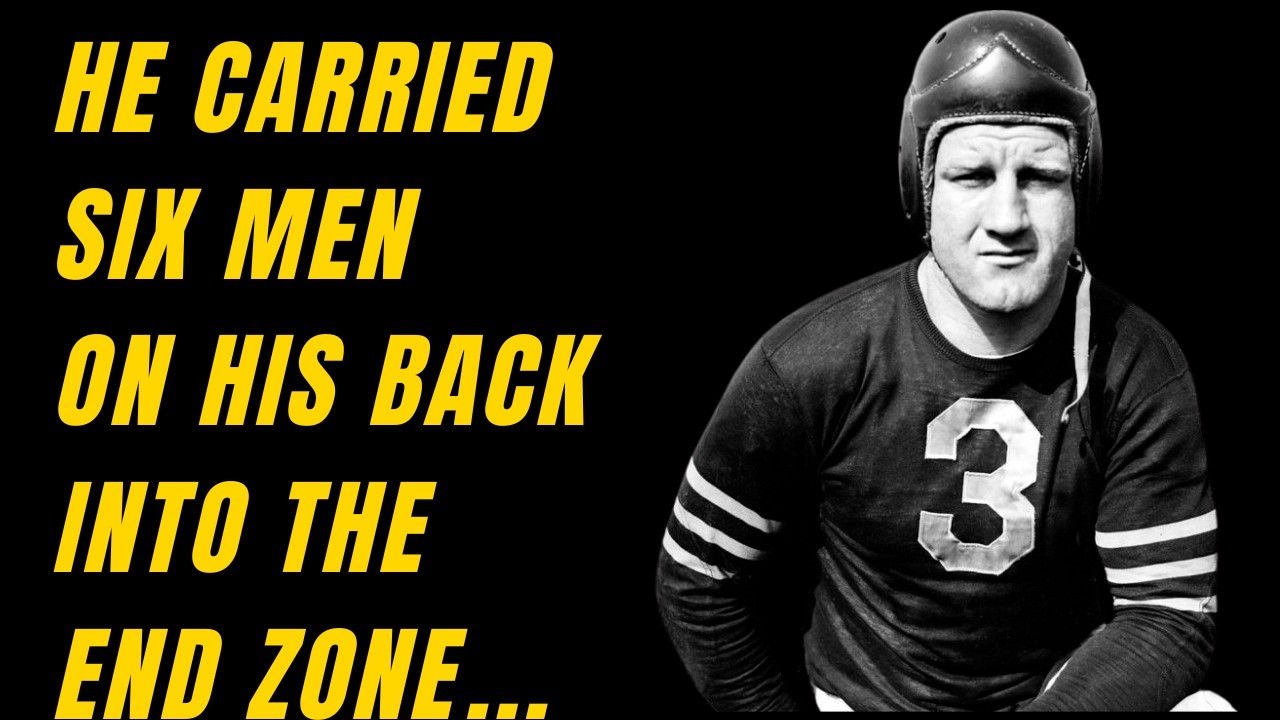
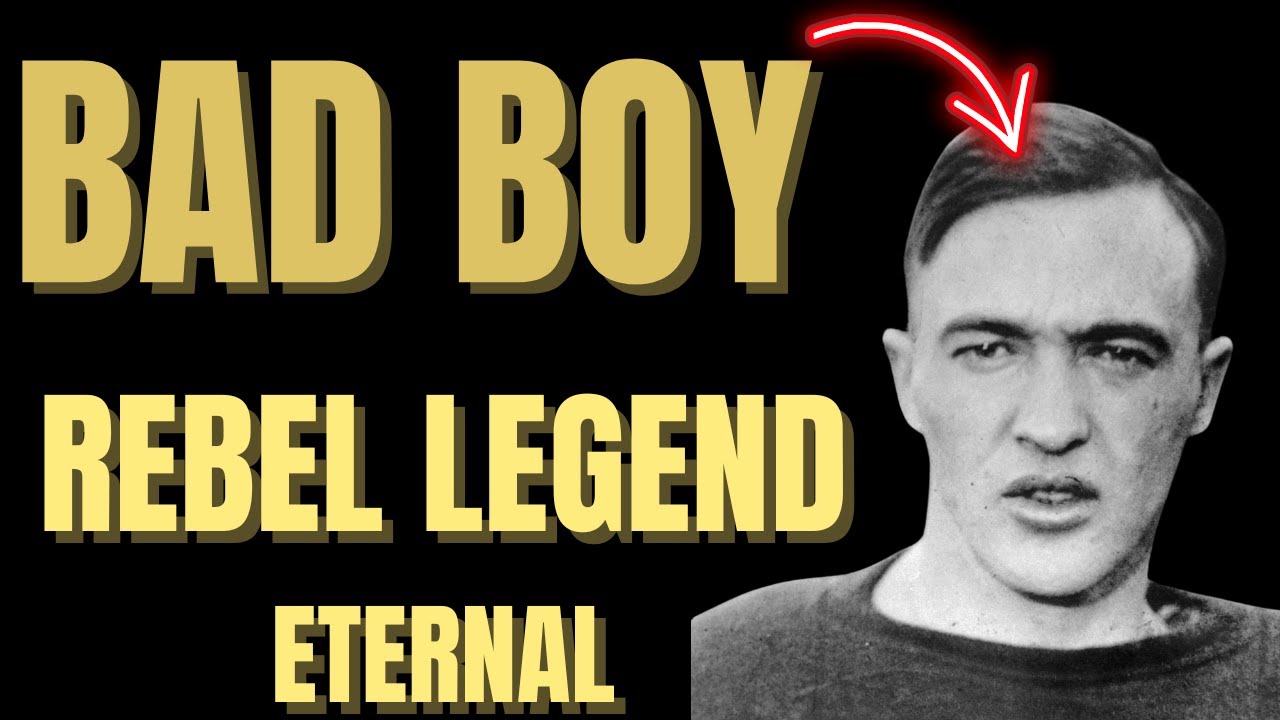
Chamberlin was a 200-pound end and halfback who recorded 15 touchdowns and nearly 1,000 all-purpose yards in an era defined by low-scoring defensive slogs. He nearly single-handedly beat Notre Dame, scoring twice and throwing the winning touchdown pass. He would later win four professional championships as a player-coach, retiring with a winning percentage that stood as a record for decades. In 1915, he was the physical embodiment of Nebraska’s claim to national supremacy.
The program’s financial position matched its performance on the field. The athletic board closed the 1915 season with a $14,000 surplus on $35,000 in revenue — nearly half a million dollars in today’s currency — generated by a fan base that had long since outgrown its regional geography.
The Refusal
When the Tournament of Roses issued its invitation, Nebraska’s Faculty Board of Athletics voted to decline. The stated reason was travel expense and lost classroom time. The real reason was institutional fear. The faculty looked at Stiehm’s surplus and saw not an opportunity for national expansion, but evidence that football had grown dangerously large. They feared a trip to Pasadena would permanently transform Nebraska football from a student activity into a professionalized spectacle.
The invitation passed to Brown University, a three-loss team from the East. Washington State defeated Brown 14-0. Many selectors credited Washington State with the 1915 national championship. Nebraska, with the most dominant program in the country, received nothing.
The fallout was swift. Stiehm requested a raise from $3,500 to $4,250 at contract renewal. The university refused. When Lincoln’s business community offered to cover the $750 difference privately, the administration refused that as well. Stiehm departed for Indiana University. His 34-game unbeaten streak was snapped the following season. He died at 37 from stomach cancer in 1923, leaving behind one of the great what-if legacies in the sport’s history.
Nebraska football history would not include another bowl appearance until the 1941 Rose Bowl — a 25-year absence during which the AP Poll era began and the framework for crowning national champions was permanently established without Nebraska’s name in the conversation.
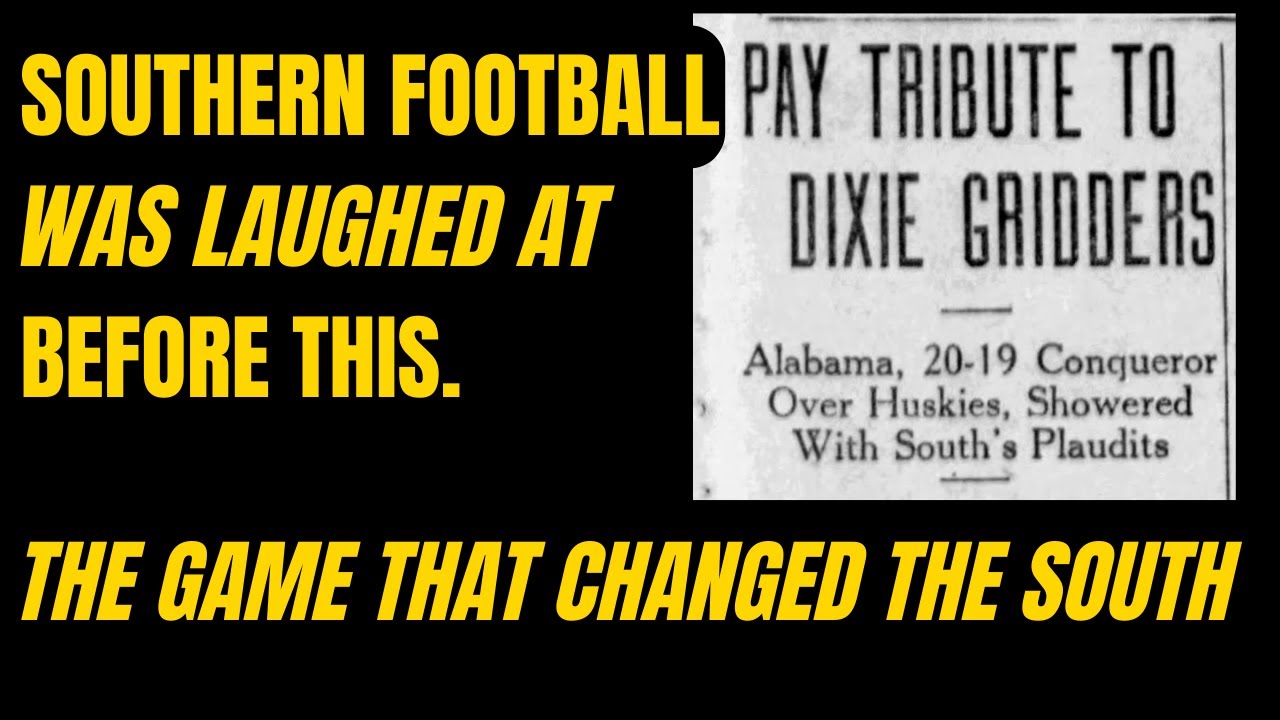
Alabama accepted their Rose Bowl invitation in 1926 and changed the map of American sports forever. Nebraska had held the same ticket a decade earlier and chose not to use it. The program that possessed every ingredient to own the 20th century spent the better part of it waiting at the station.