















When the Pac-12 Conference began its final collapse in 2024, the eulogies poured in from every corner of sports media. A century of tradition, they said. The death of West Coast football. The end of an era. Commentators shook their heads at television money and conference realignment, treating the whole thing as some modern corruption — a product of the streaming wars and the NIL era and the insatiable greed of the present day.
What none of them told you is that the Pac-12 had already died once before. In 1958. And that the first death was far more dramatic, far more human, and far more revealing about the nature of college football than anything that happened in 2024.
Building a Dynasty on Dirty Money
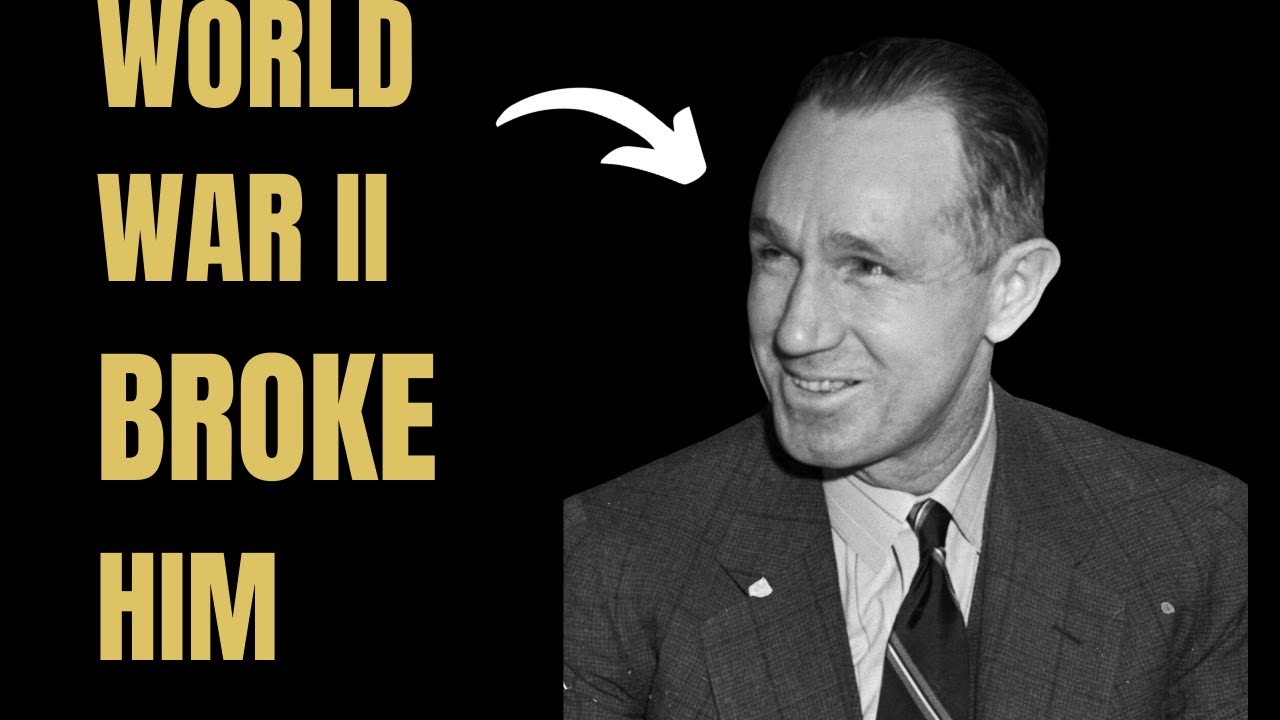
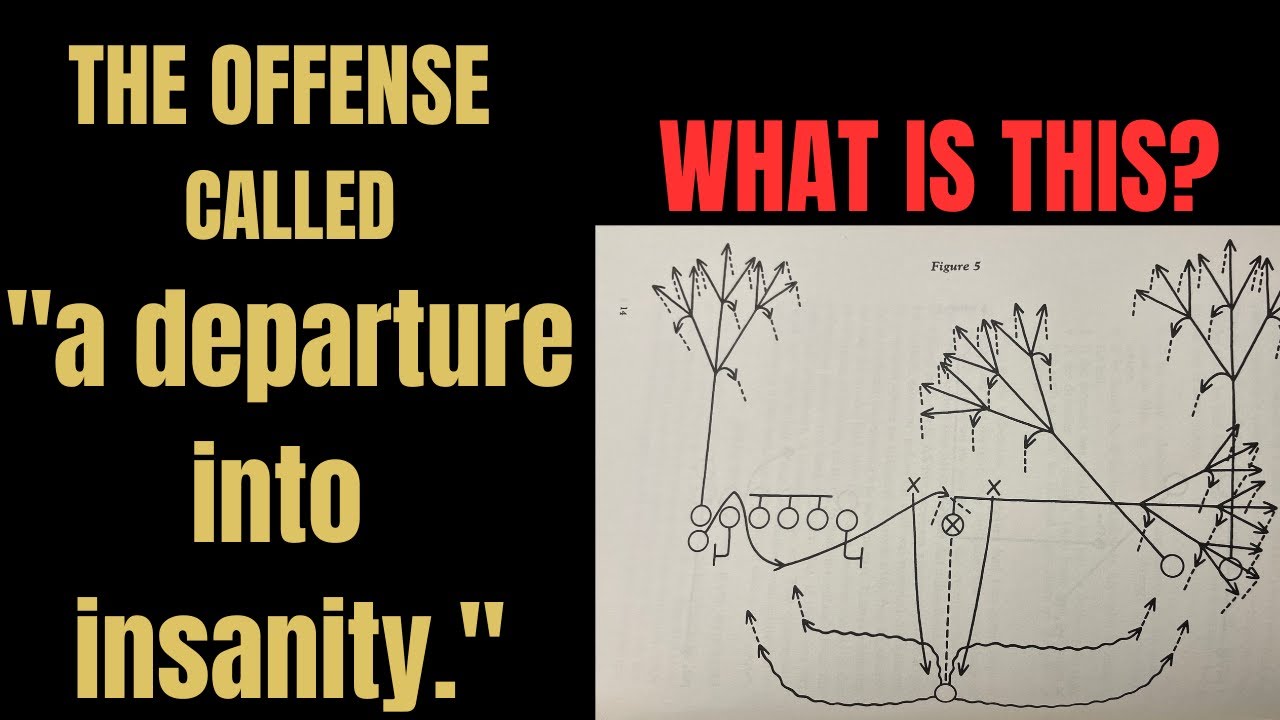
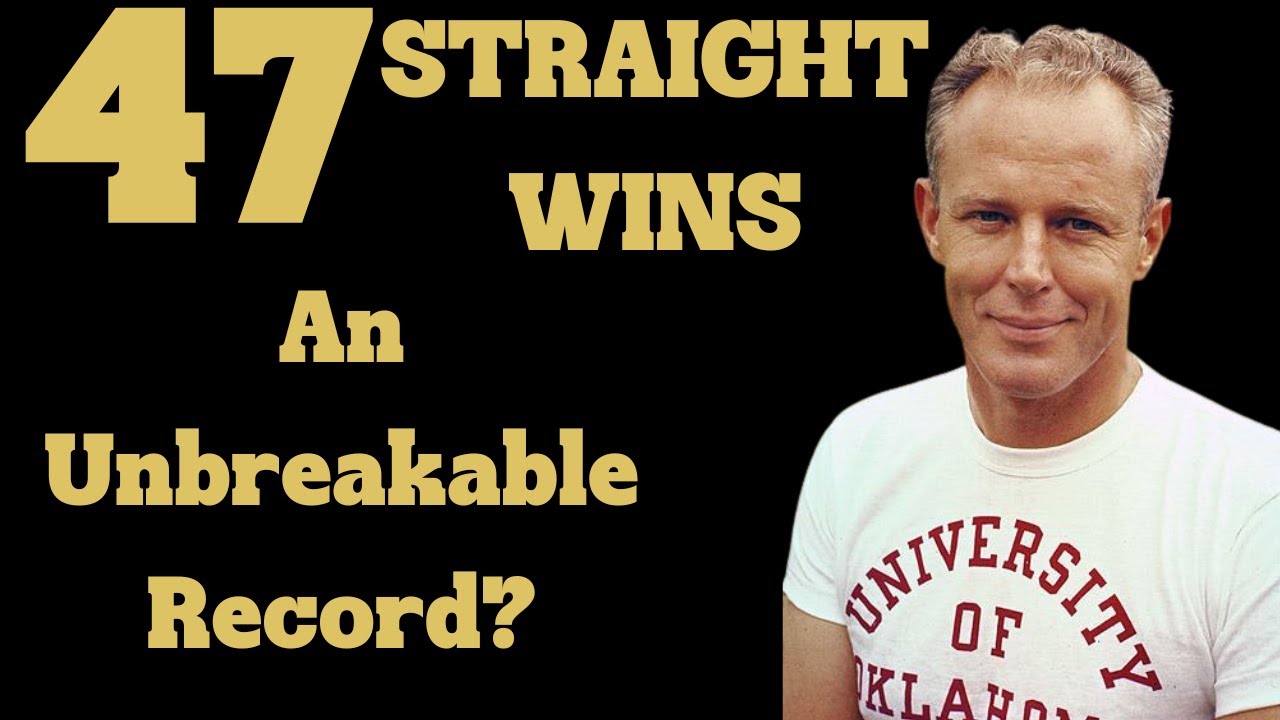
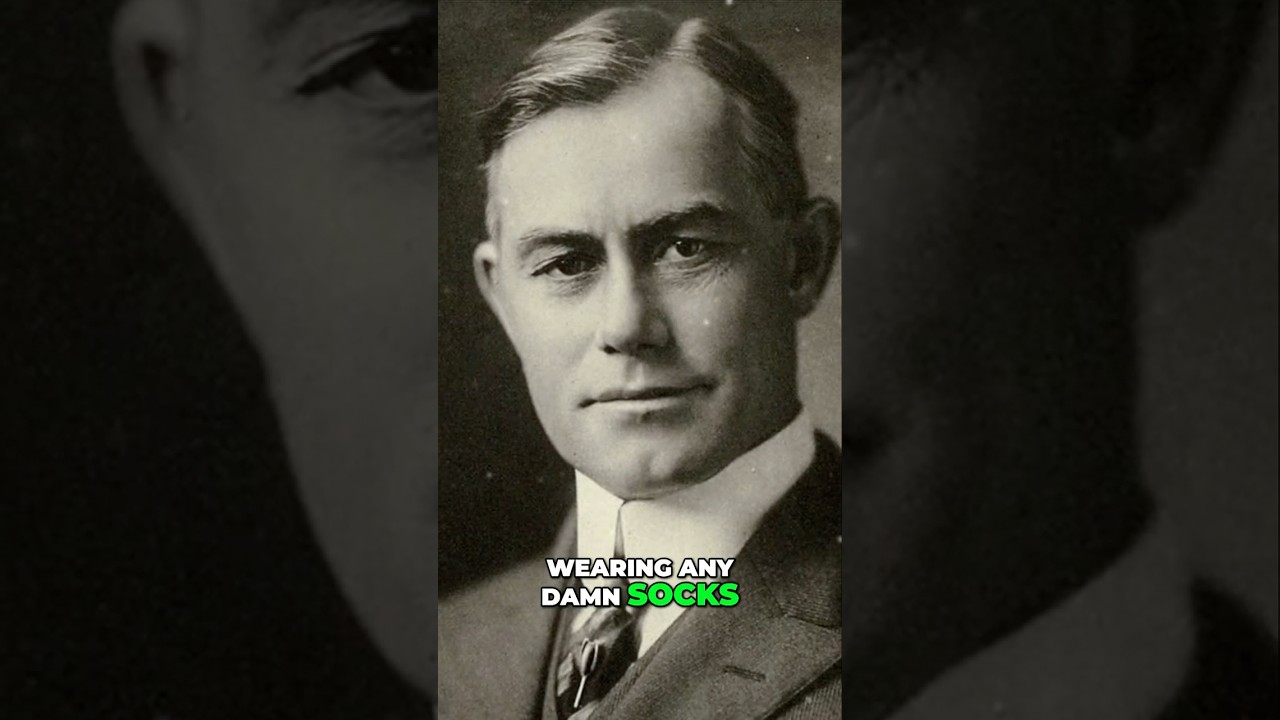
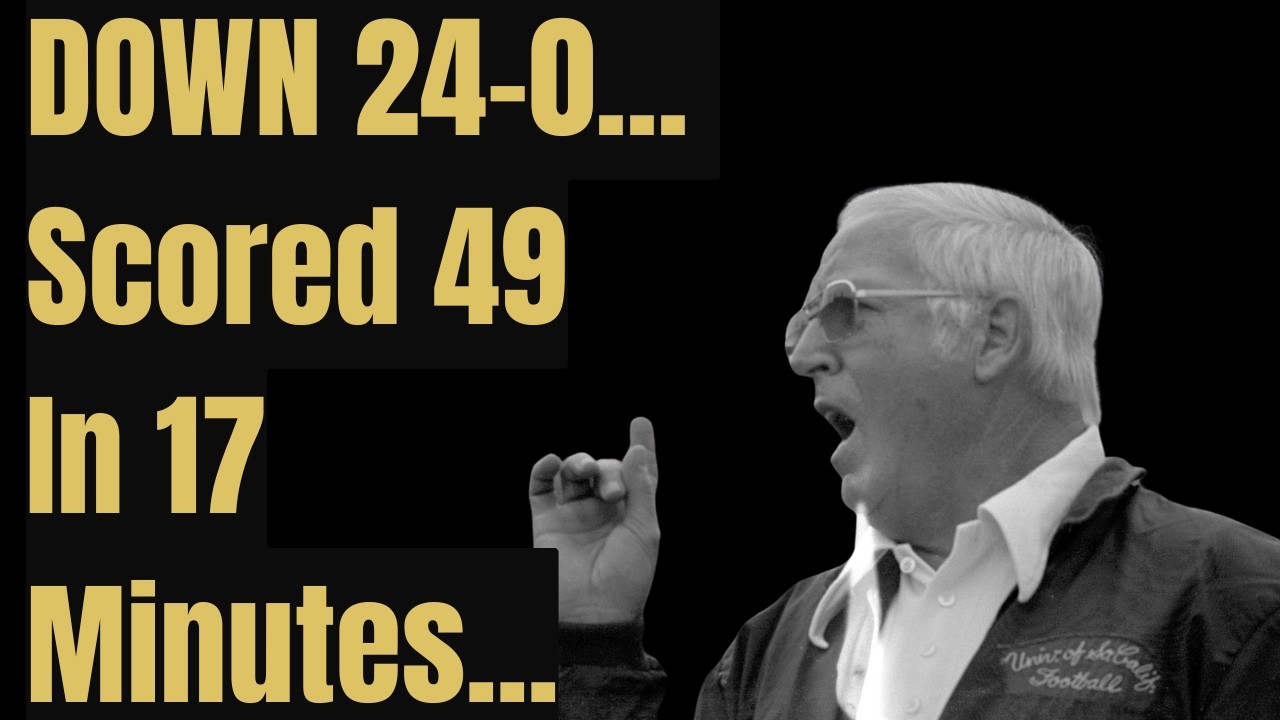
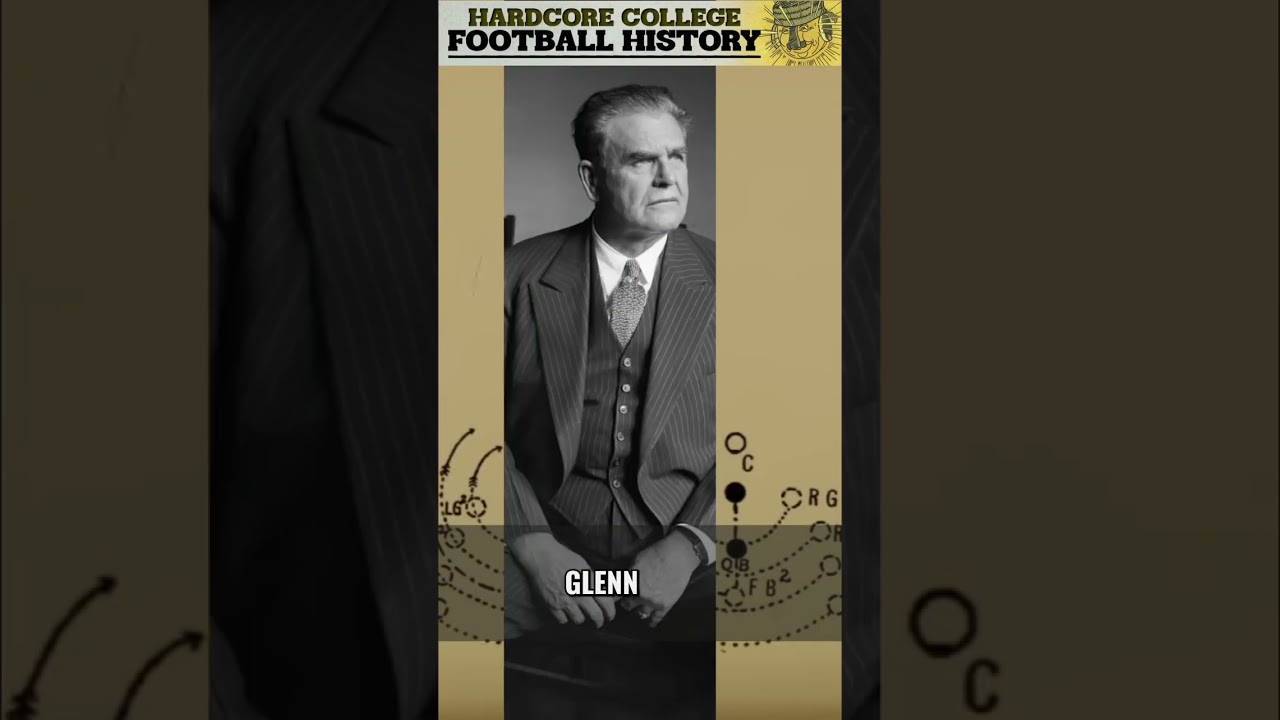
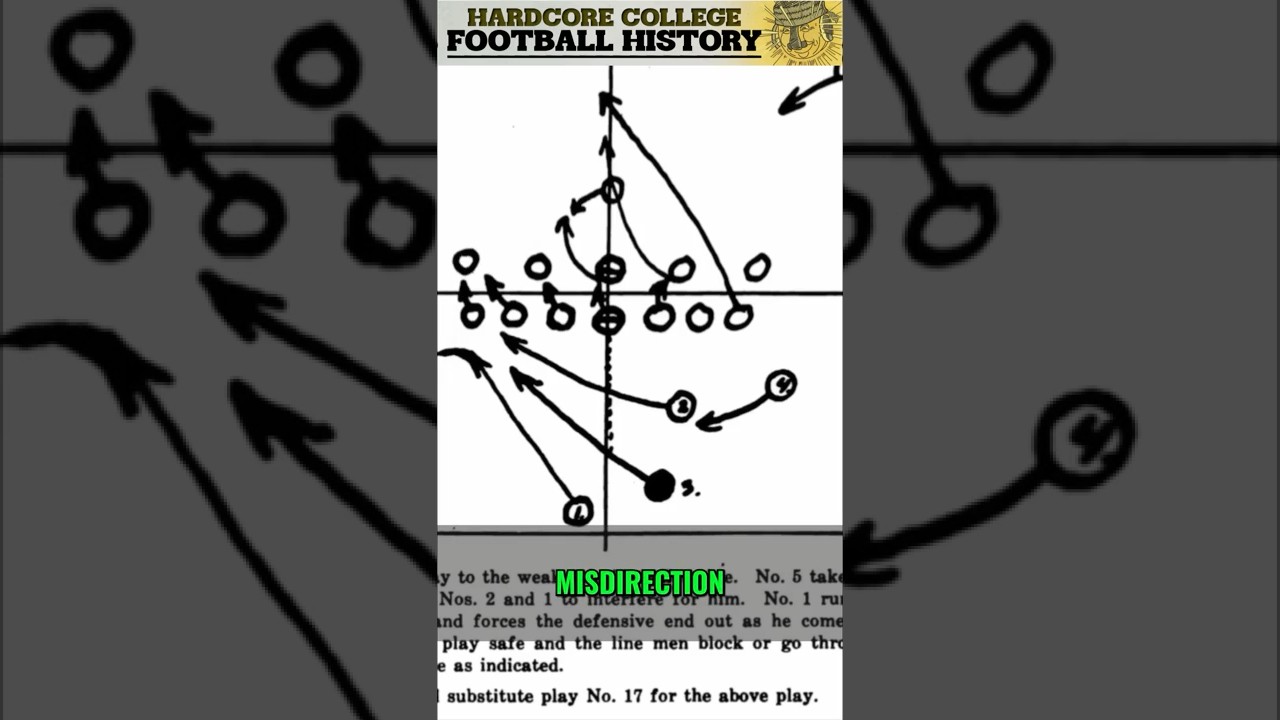
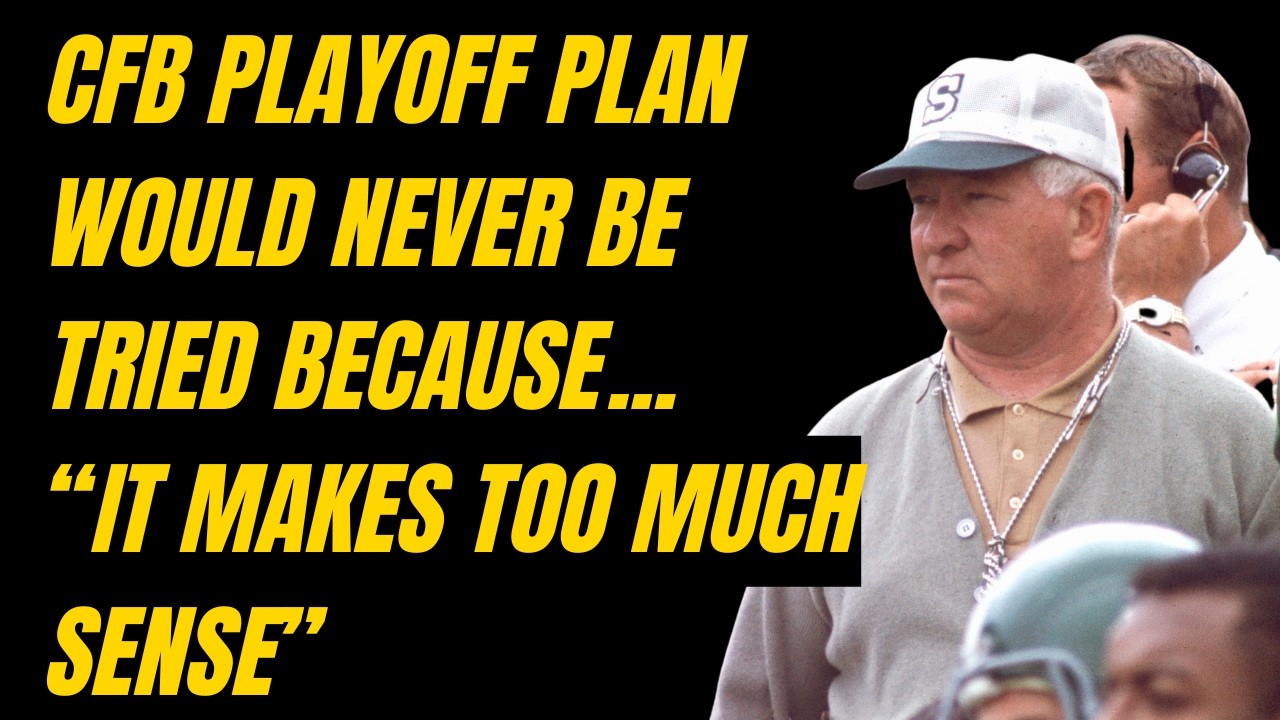
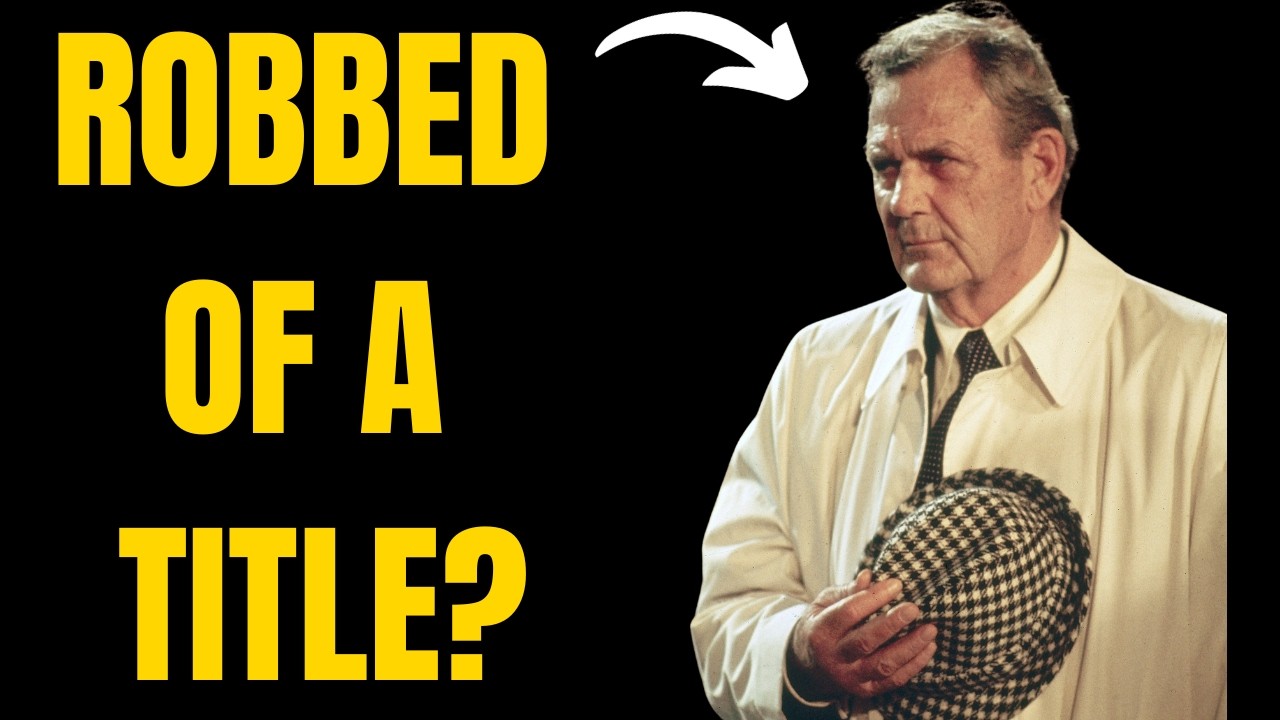
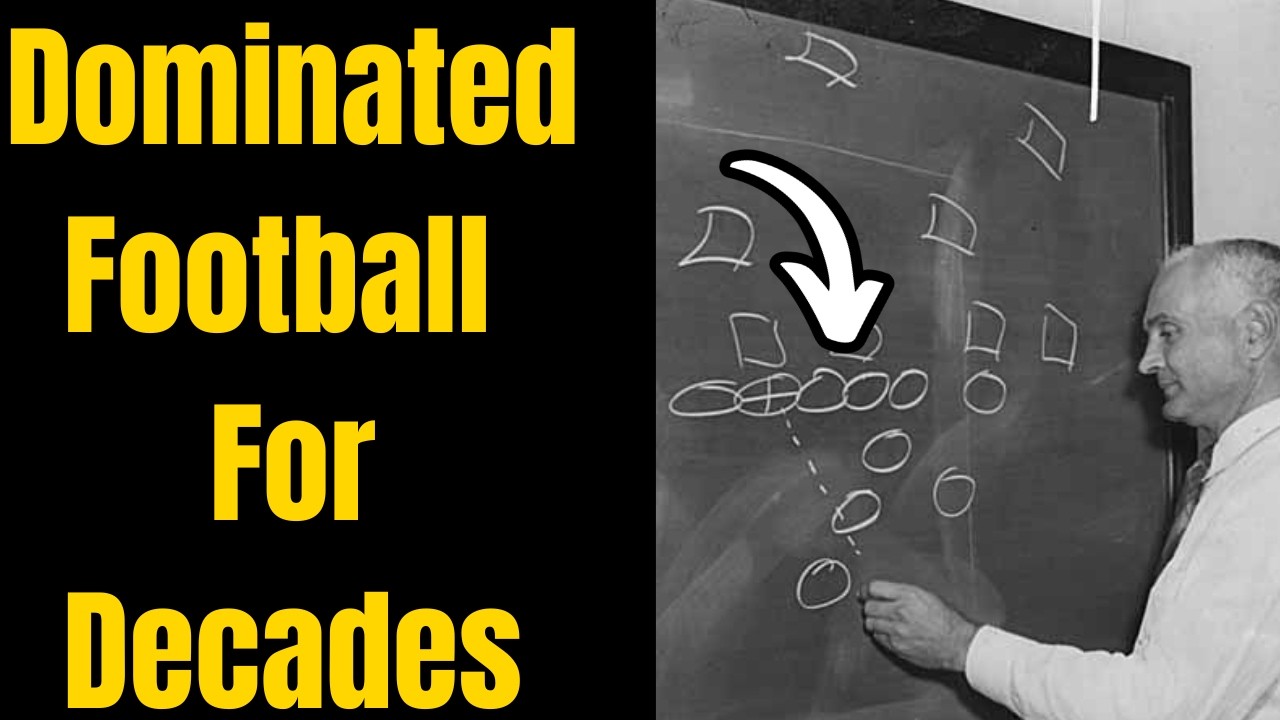
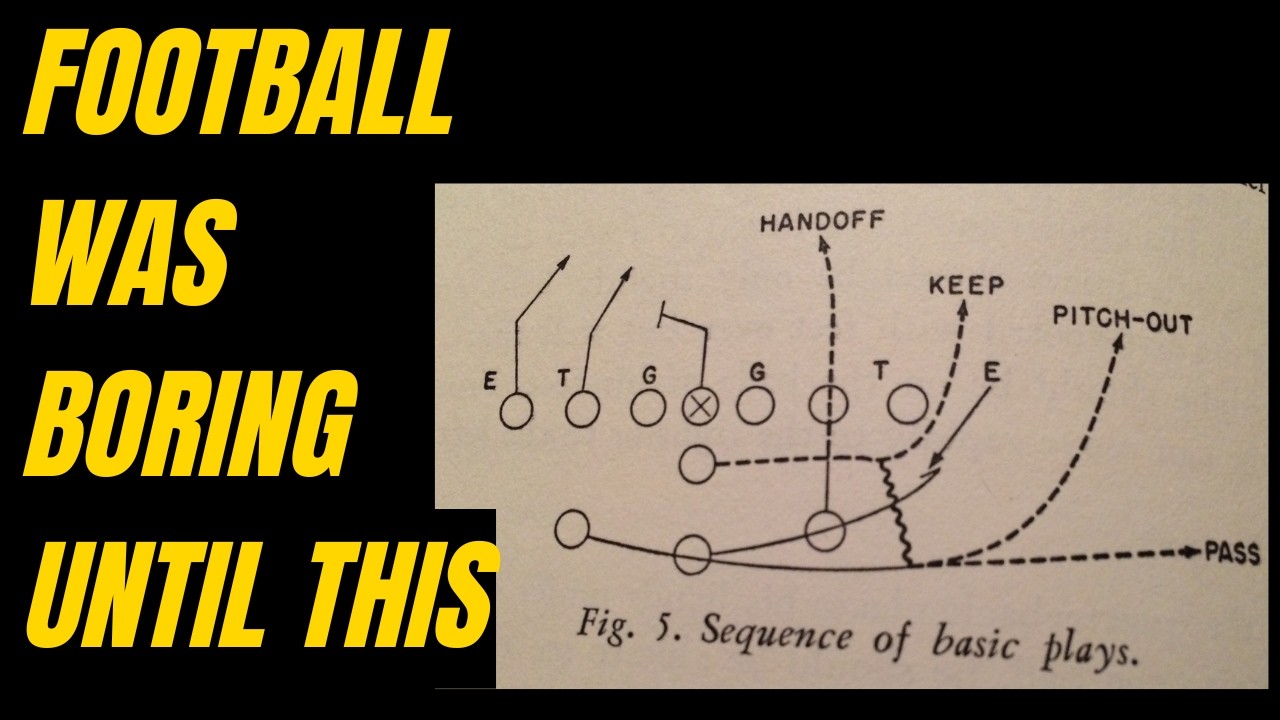
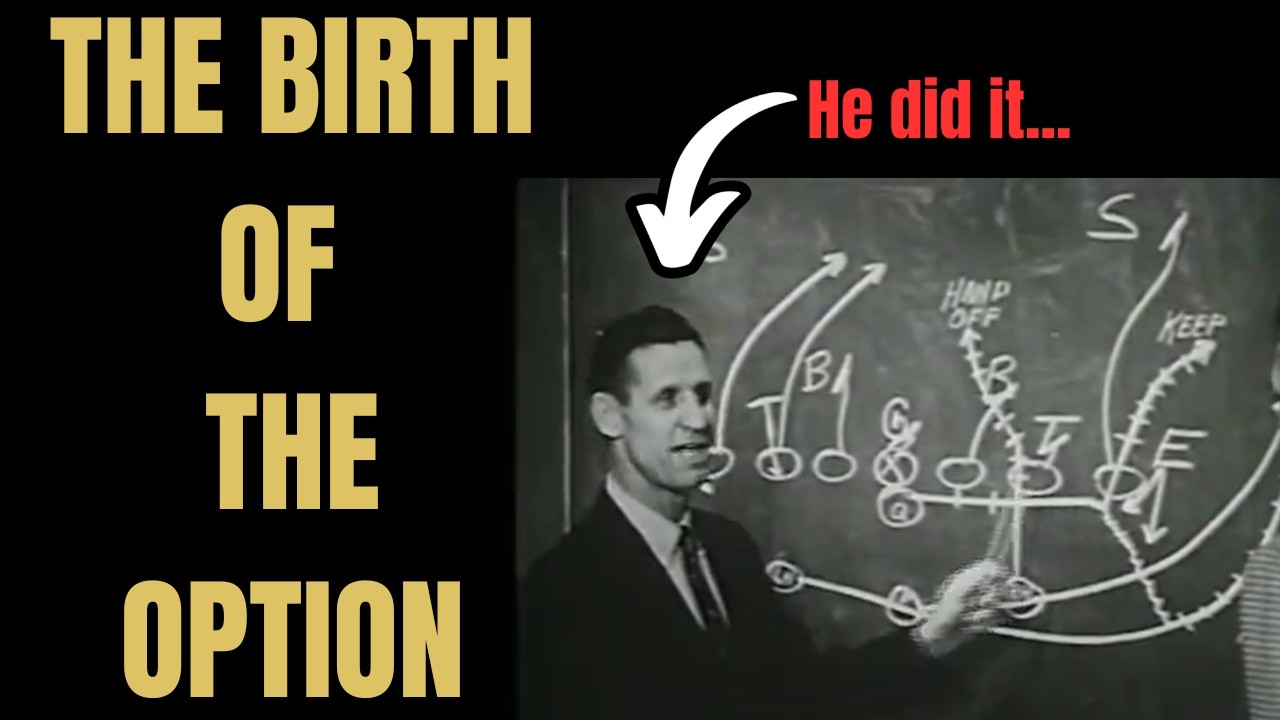
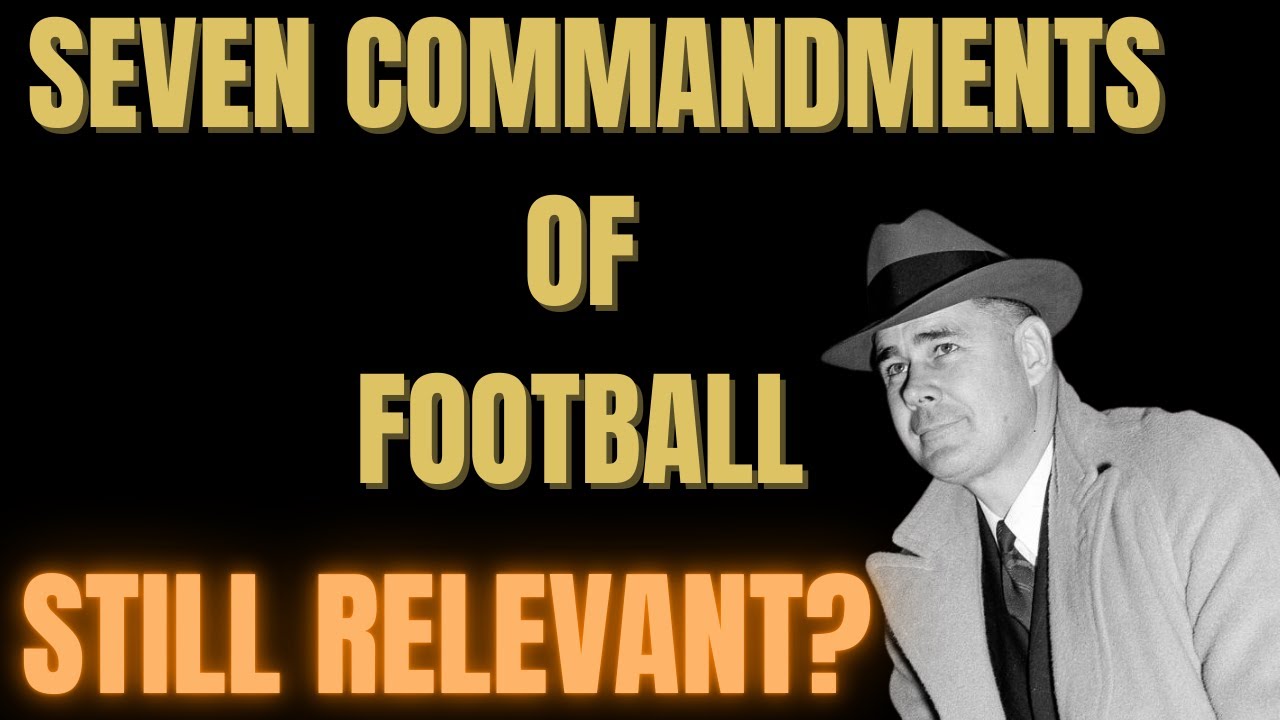
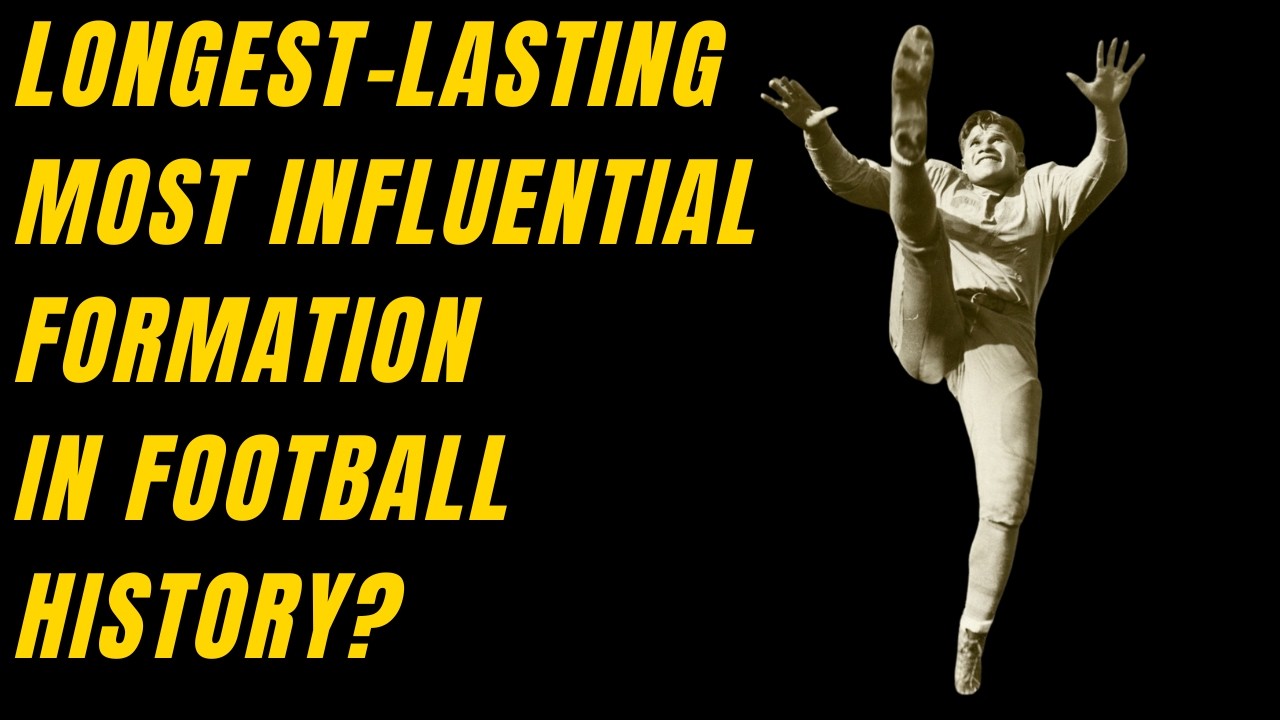
In January 1949, UCLA hired Red Sanders away from Vanderbilt for $13,000 a year, and the man immediately set about building something that had never existed in Westwood — a winning football program. Sanders changed everything on arrival. The uniforms became the iconic powder blue with the distinctive shoulder loops. The offense became the single-wing formation he’d mastered and refined. The culture became one of relentless intensity. He even coined the phrase later attributed to Vince Lombardi: “Winning isn’t everything, it’s the only thing.” That line originated with Red Sanders. Most people still don’t know that.
The results were remarkable. Sanders took a 3-7 team and had them competitive within one season. By 1954, the UCLA Bruins were 9-0 national champions, leading the nation in both offense and defense, humiliating USC 34-0 in the rivalry game. He was the Wizard of Westwood before John Wooden ever arrived at Pauley Pavilion. In less than a decade, Sanders had transformed UCLA from an afterthought in its own city into the best program in the country.
What everyone in Los Angeles quietly understood, however, was that the dynasty hadn’t been built on coaching genius alone. Behind the scenes, two booster organizations — the Bruin Bench and the Young Men’s Club of Westwood — were operating what amounted to a payroll system for UCLA athletes. Players collected cash at designated locations. Fake jobs were created. The Pacific Coast Conference strictly limited financial aid to athletes, and UCLA was blowing past those limits in systematic, organized fashion. Sanders and his entire staff knew. According to the conference investigation that would later expose the operation, they didn’t merely tolerate it — they actively referred recruits to the boosters who held the money.
They weren’t alone. USC, California, and Washington were running similar operations. The PCC in the 1950s was essentially a league where everyone was cheating and everyone knew everyone else was cheating. The unspoken agreement was that nobody talked about it publicly.
The Unraveling
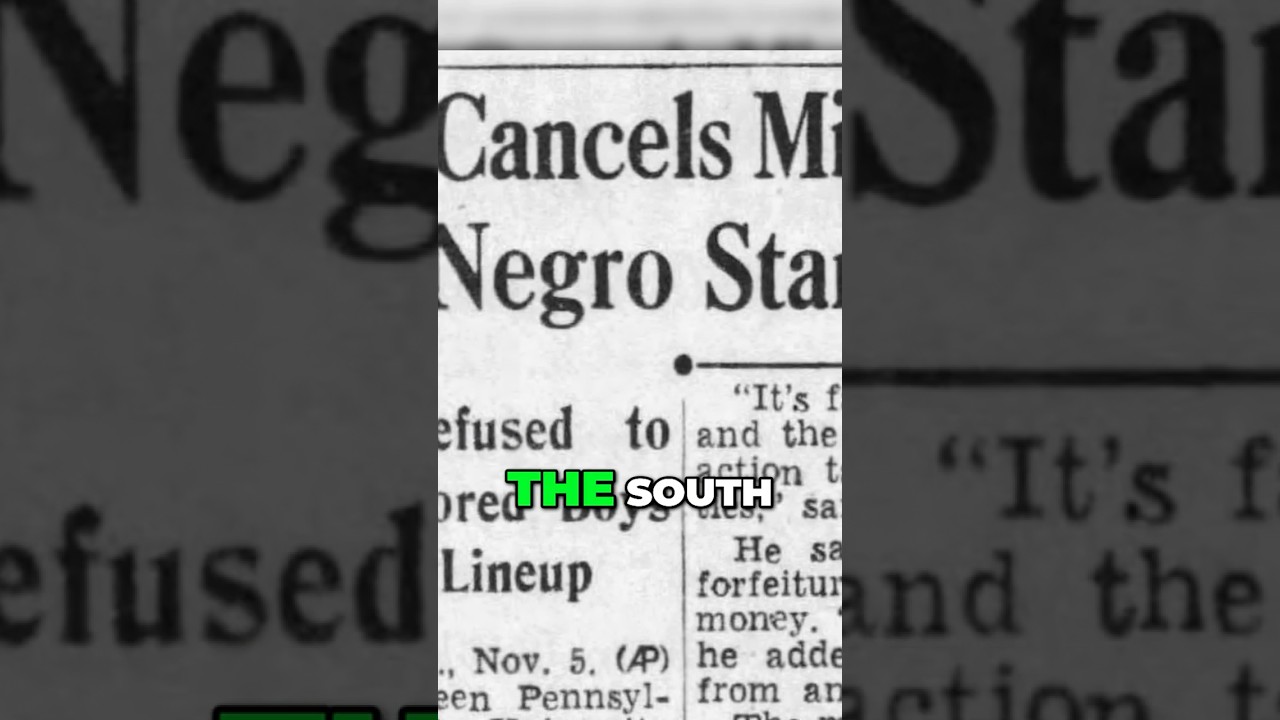
The first crack appeared in 1951 when Oregon coach Jim Aiken was caught violating conference financial aid rules and forced to resign. On his way out, Aiken’s administration pointed investigators toward UCLA. If we’re going down, the implication was clear, look at what they’re doing in Westwood.
The PCC launched what would become a five-year investigation into its own member schools. The findings would prove catastrophic. In January 1956, the University of Washington imploded when fired coach John Sherberg went public about the Greater Washington Advertising Fund, a booster slush operation that had been paying players for years. The PCC hammered Washington with sanctions — then turned south.
In March 1956, the Los Angeles papers published the details of UCLA’s Bruin Bench operation. The university stonewalled for ten weeks, refusing conference investigators access to records or staff. When the dam finally broke, UCLA admitted everything. Sanders and his entire coaching staff had known about the payments for years and had actively participated in routing recruits to the boosters.
Once UCLA fell, the dominoes collapsed rapidly. A furious UCLA alumnus exposed USC’s Southern California Educational Foundation. The San Francisco Gridiron Club at Cal was next. By the end of 1956, all four of the conference’s major programs were exposed simultaneously.
The penalties were severe enough to function as a death sentence. UCLA received a fine, three years probation, a Rose Bowl ban, and — most painfully — the loss of eligibility for every player who had accepted improper payments. For the 1958 season, that meant losing eight seniors, including six starters. The program that had won a national title just four years earlier was gutted.
The Political Reality
Red Smith of the New York Herald Tribune cut through the official language with characteristic clarity, noting the “lip-smacking enthusiasm” with which the conference enforced the rulebook against UCLA. On the West Coast, the explanation was simpler: UCLA’s real crime was winning.
The Pacific Coast Conference was politically fractured in ways that predated the slush fund era by decades. When the conference was founded in Portland in 1915, the charter members were Pacific Northwest schools. The California programs arrived later and brought with them a sense — shared and resented in equal measure — that the big urban schools were a different class of institution. USC had been suspended from the conference within two years of joining. The conference had hired a former FBI agent in 1938 and paid him $40,000 to spend two years investigating its own members. The resulting 700-page report was damning enough that they hired the investigator as commissioner to implement his own recommendations.
By 1956, decades of accumulated grievance sat underneath the scandal like a geological fault line. The smaller northern schools — Oregon, Oregon State, Washington State — didn’t have the revenue, the recruiting footprints, or the slush funds. But they had the votes. And they used the rulebook as a weapon.
The big four were furious. They were the programs filling stadiums, generating revenue, and keeping the conference financially solvent, and they were being governed and punished by schools they viewed as fundamentally lesser partners. Sound familiar?
In December 1957, the big four forced the resignation of commissioner Victor Schmidt, the man who had actually cleaned up the scandal. His reward for enforcing the rules was termination. Then they began planning their exit.
The Death of a Conference — And a Coach
On August 10, 1958, the conference presidents met in Portland and voted unanimously to dissolve the Pacific Coast Conference after the 1958-59 academic year. After 43 years, the premier athletic conference on the West Coast was dead. The meeting was described as businesslike. There were handshakes. There was even laughter.
Four days later, Red Sanders was dead.
It was August 14, a scorching afternoon in Los Angeles. Sanders had gone to visit an old friend at the Lafayette Hotel near downtown. He complained of the heat. When his companion left the room briefly, Sanders collapsed. He was 53 years old.
The San Francisco Examiner published what the other papers chose to leave out. Sanders had not been alone in that hotel room. With him was a woman named Ernestine Drake, a divorcee who had been convicted of prostitution in Beverly Hills in 1957 and had served jail time. The “old friend” Sanders had gone to visit, an 81-year-old man named Pop Grimes, had a record of arrests for pandering and had served time in San Quentin for procurement.
The greatest coach in UCLA history died in a hotel room with a prostitute and a convicted pimp, four days after the conference he’d helped destroy voted itself out of existence.
His funeral was held with full honors. The eulogies praised his genius, his wit, his contributions to the program. Nobody mentioned the scandal. Nobody mentioned the circumstances of his death. They remembered the national championship and the Rose Bowls. The truth hung over the proceedings like smoke.
The Aftermath and the Repetition
UCLA’s 1958 season was a disaster. Interim coach George Dickerson suffered a nervous breakdown three games in and had to be hospitalized. The program that had won a national title in 1954 went 3-6-1 that year, their worst record in nearly two decades. A dark age settled over Westwood that wouldn’t truly lift until the mid-1960s.
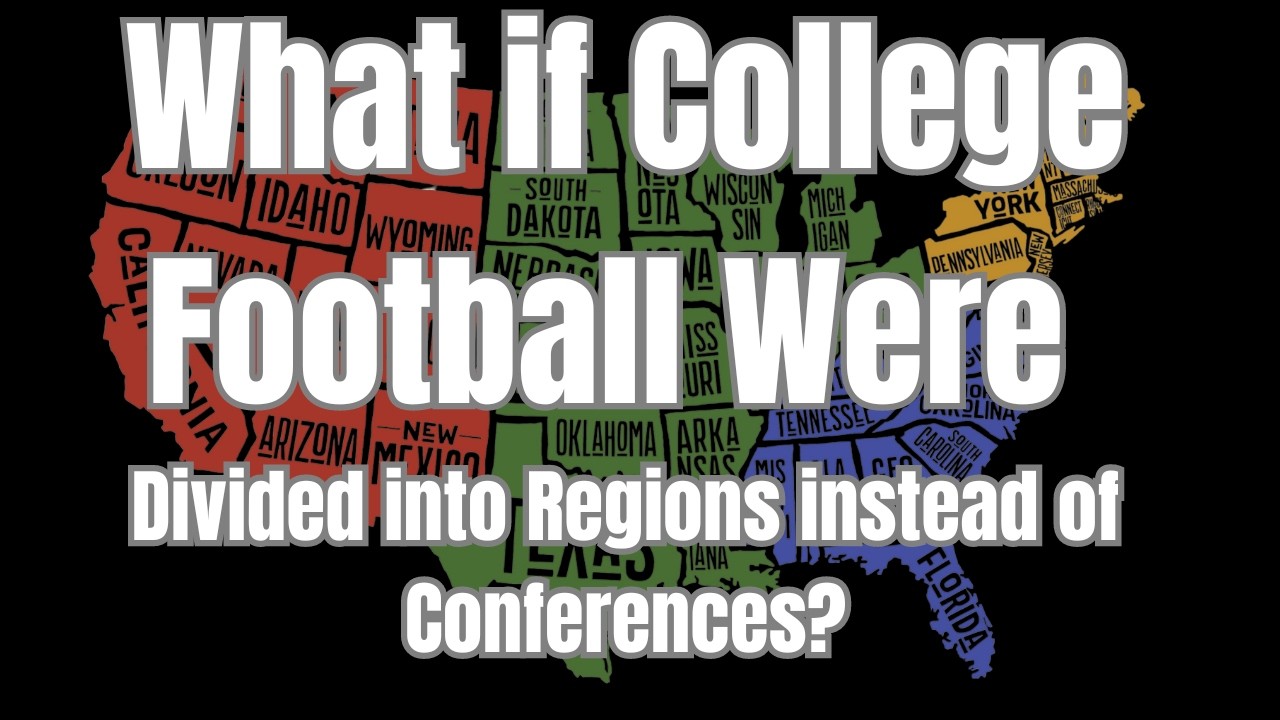
The five California schools — UCLA, USC, Cal, Washington, and Stanford — immediately formed the Athletic Association of Western Universities, the AAWU, which would eventually become the Pacific-8, then the Pac-10, and finally the Pac-12. They claimed the PCC’s history as their own while operating under an entirely different charter with entirely different values. Oregon and Oregon State weren’t invited to join until 1964, spending years as independents, shut out of the conference they’d helped found in 1915.
And on August 2, 2024, USC, UCLA, Washington, and Oregon formally joined the Big Ten, and Oregon State and Washington State found themselves abandoned again — the same two schools, give or take one, left behind 65 years earlier. The same logic. The same excuse. The profitable programs deciding the smaller schools were expendable.
Red Sanders said winning isn’t everything — it’s the only thing. He believed it completely. And in the end, that belief didn’t just kill the Pacific Coast Conference. In a downtown Los Angeles hotel room on a scorching August afternoon, with the conference already dead and his reputation already gone, it killed him too.
The Pac-12 didn’t die in 2024. What everyone watched collapse was a ghost — haunting the same ground, making the same mistakes, meeting the same end.
Some ghosts never rest. They just wait for history to repeat itself.