




































January 19, 2026. Hard Rock Stadium.
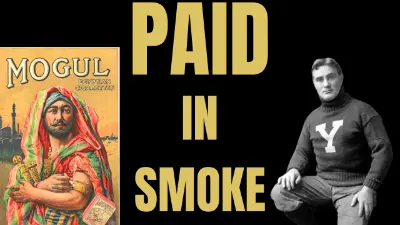
Curt Cignetti’s Indiana Hoosiers have the first undefeated campaign at college football’s highest level since Yale in 1894. The Indiana Hoosiers—a program with one of the worst winning percentages in major college football history—just defeated Miami 27-21 to cap a perfect 16-0 season. The sports world calls it unprecedented. History says otherwise.
The Man Who Believed Before Anyone Else Did
When Curt Cignetti was introduced as Indiana’s head coach in December 2023, a reporter asked him about his biggest challenge. The program had just gone 3-9. Before that, 4-8. Before that, 2-10. Indiana was where coaching careers went to die.
Cignetti’s answer was chilling in its simplicity: “Changing the way people think.”
He didn’t mention recruiting rankings, aging facilities, or NIL deficits. He identified the single invisible barrier that separates dynasties from also-rans—psychology. A few weeks later, when asked what recruits and fans should expect, he delivered his now-famous line: “I win. Google me.”
Most coaches would never say that. They’d hedge, talk about building foundations, trust the process. They’d carefully manage expectations to protect job security.
Curt Cignetti doesn’t hedge. He states facts and dares you to disagree.
That mentality isn’t new. It’s been building dynasties for 125 years.
The Ghosts of Perfectionists Past
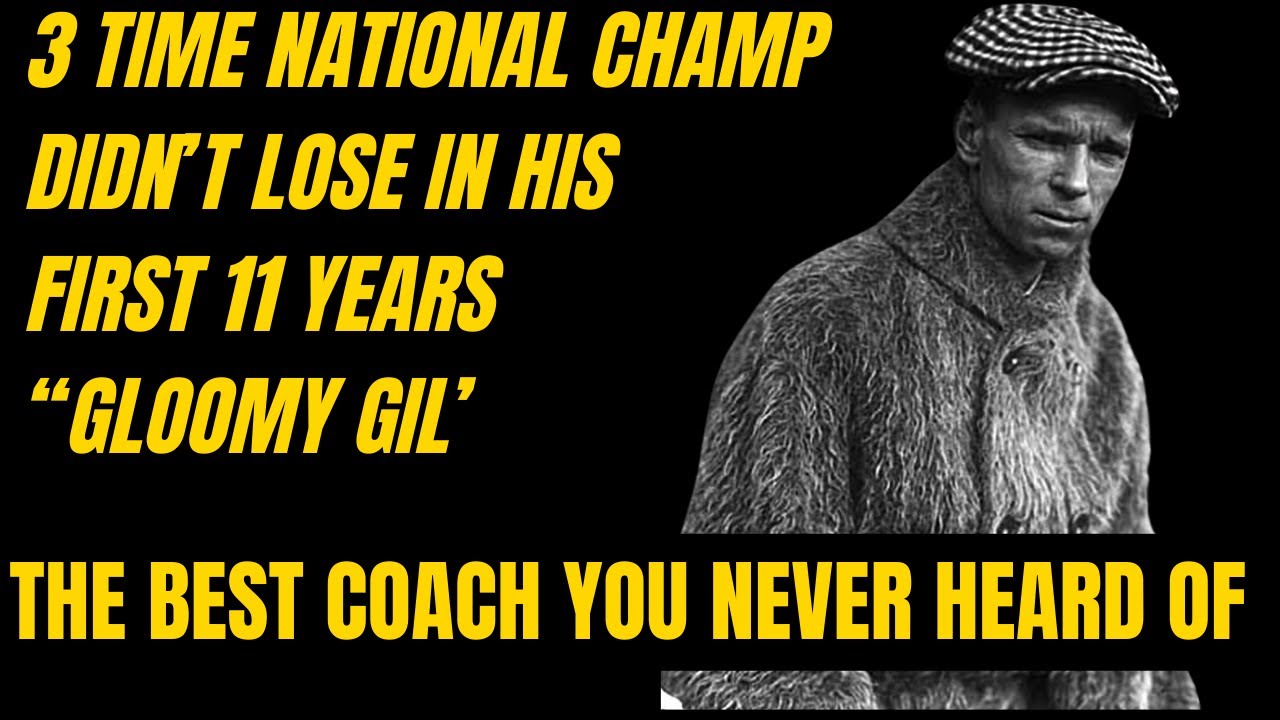
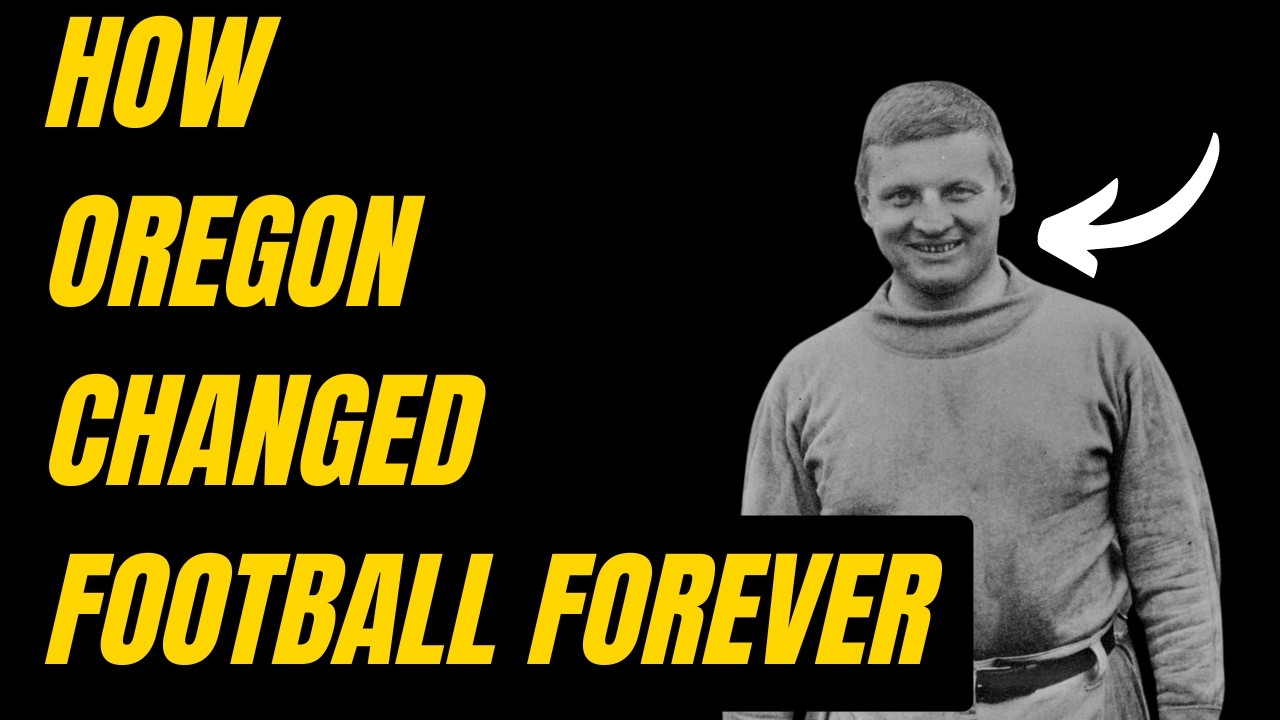
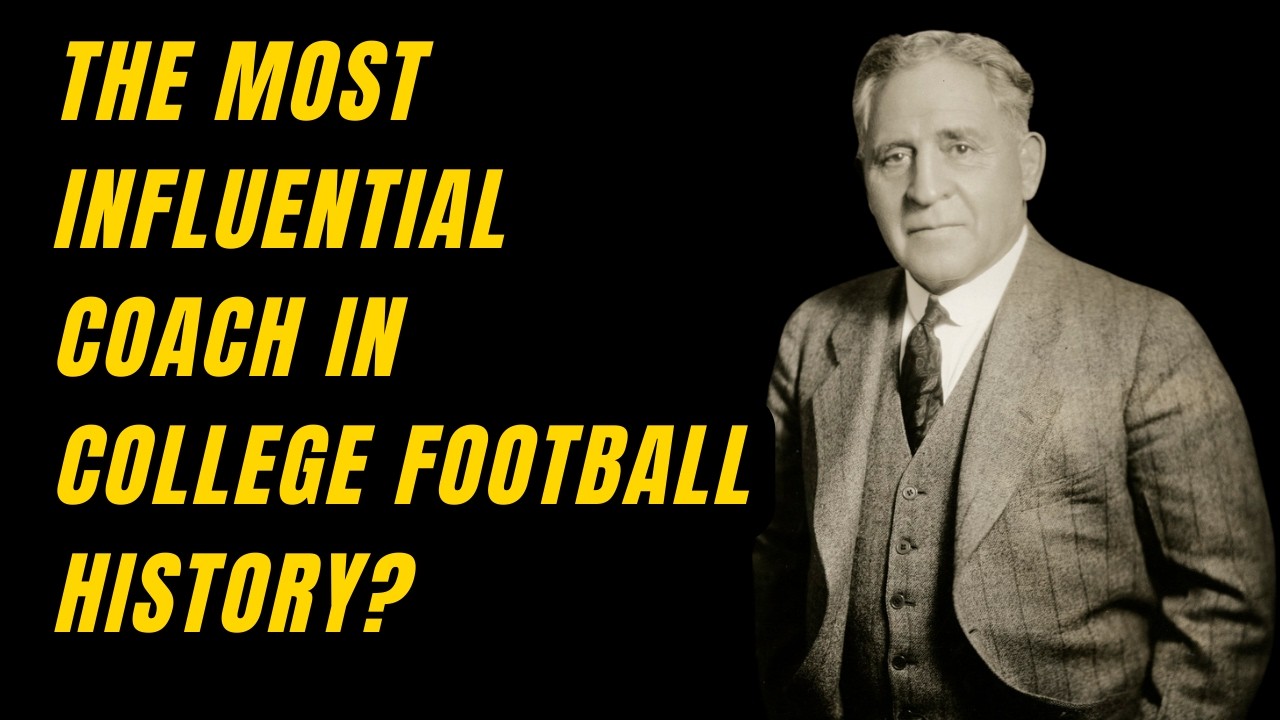
Gil Dobie arrived at Washington in 1908 after a childhood that would have destroyed most men—orphaned at eight, indentured as child labor to four different families. He escaped through sheer force of will, earned a law degree, and found football.
For nine years, he never lost a game. His record: 58-0-3. His teams outscored opponents 1,930 to 118. Nearly 70% of his games were shutouts.
After one 73-0 victory, Dobie made his entire squad run laps around the field because of incidental mistakes. His players simultaneously loved him, hated him, feared him, and resented him. But they always won.
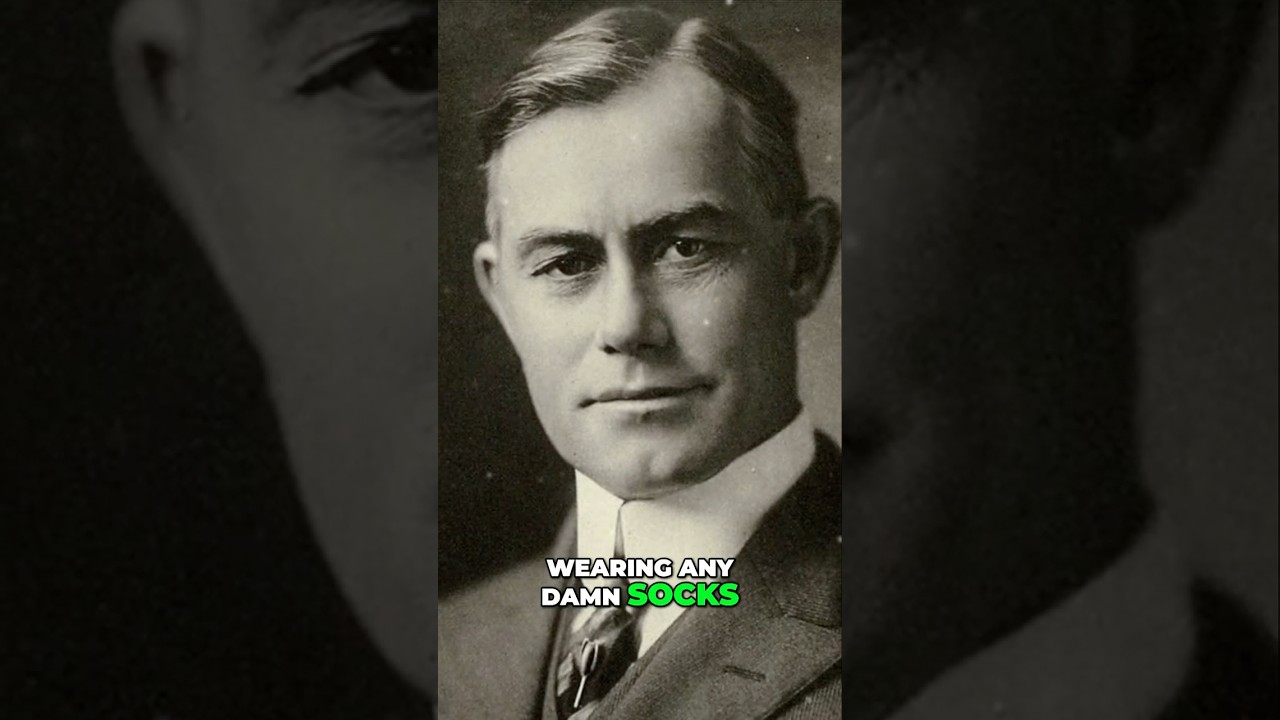
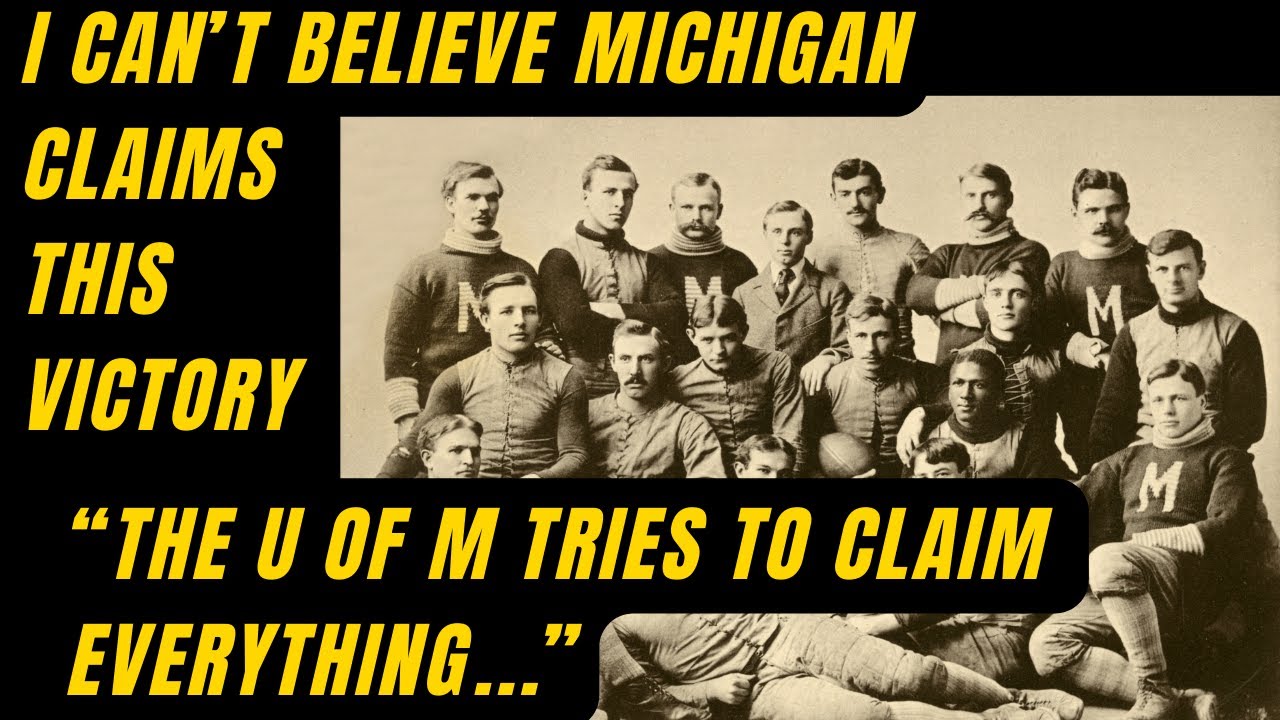
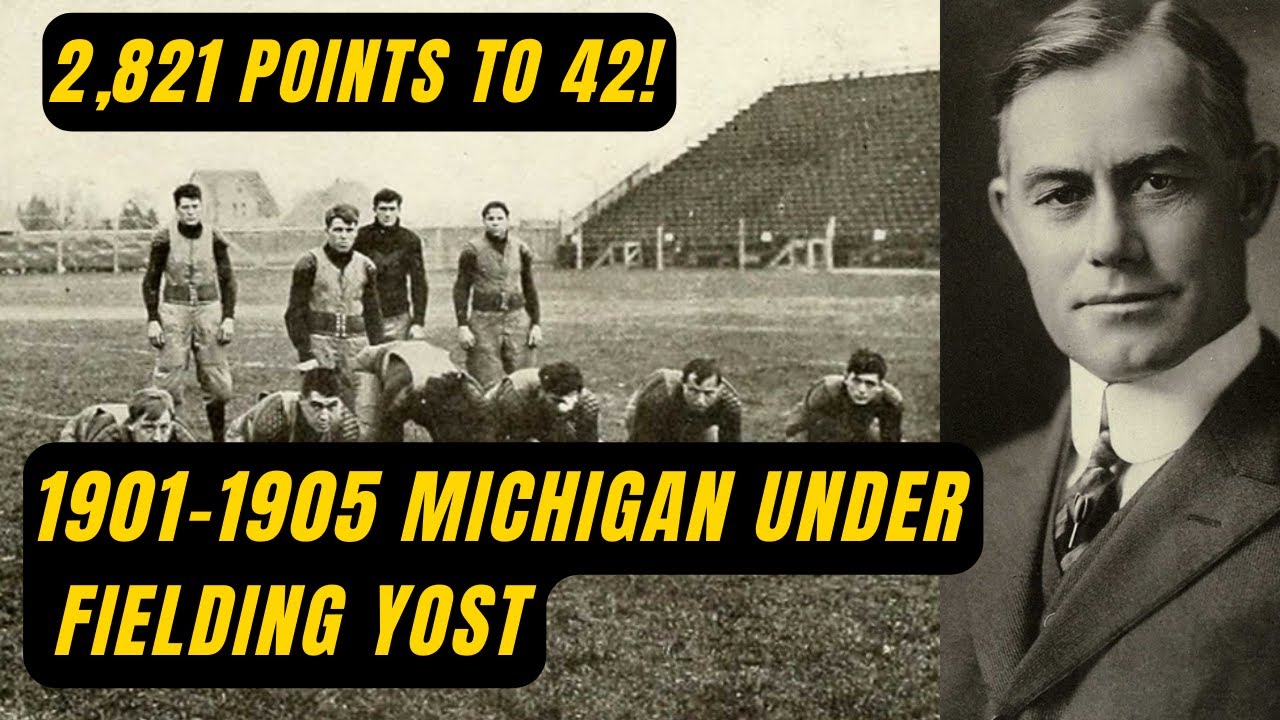
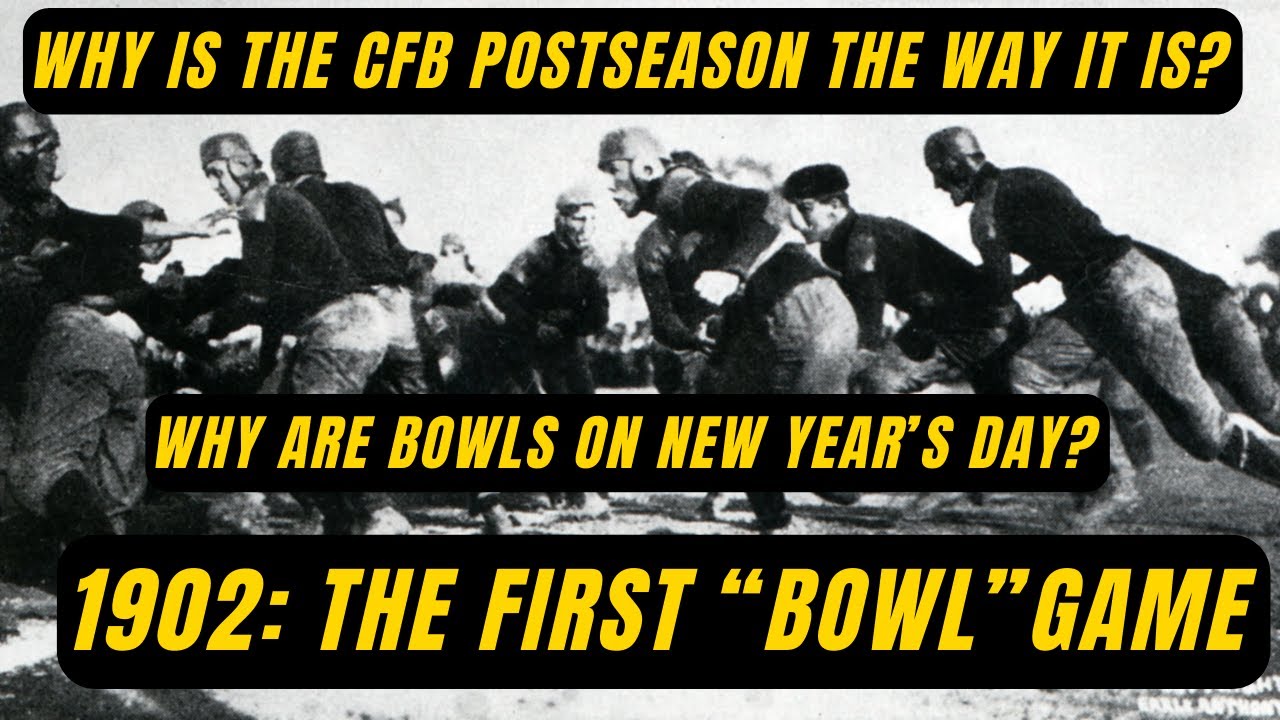
Fielding Yost turned Michigan from a nobody into a monster in 1901. His “Point-a-Minute” teams went 55-1-1 from 1901-1905, outscoring opponents 2,821 to 42. In the first-ever Rose Bowl, Michigan demolished Stanford 49-0 so completely that Stanford surrendered with eight minutes left. The Tournament of Roses committee was so horrified they canceled the Rose Bowl for 14 years.
Yost was known to stop on street corners in Ann Arbor, blocking sidewalks to replay games, physically reenacting plays in his three-piece suit, oblivious to traffic. The game consumed him entirely.
General Robert Neyland brought military precision to Tennessee. From November 1938 to December 1939, his teams recorded 17 consecutive shutouts—17 straight games without allowing a point. That record still stands. His pregame speeches ended with a single line: “We will win because they do not have the background.”
Bear Bryant, who coached against Neyland seven times and never beat him, said it plainly: “People think I’m the greatest damn coach in the world, but Neyland taught me everything I know.”
The Modern Translation
Cignetti absorbed this philosophy under Nick Saban at Alabama from 2007-2010. “I learned a lot from Coach Saban in terms of organization, standards, stopping complacency,” Cignetti said. “I wouldn’t be where I am today without my time under Nick.”
But Cignetti added his own innovation: “production over potential.” He doesn’t chase five-star recruits who might develop. He demands proven producers who already have.
When he arrived at Indiana, ten offensive starters had entered the transfer portal. Just one defender remained. He brought 13 players from James Madison—players who knew his system and had already won with him. Then he filled the roster with transfers who fit his criteria: proven producers, multi-year starters, minimal injury history.
Indiana’s average player rating was 2.95 stars. Their opponents averaged 3.7 or higher.
It didn’t matter.
The Avalanche
The 2024 season was proof of concept—11-2, a College Football Playoff appearance. But this season turned into something else entirely. Each win more convincing than the last. The point differential kept growing. By October, opposing coaches stopped talking about Indiana as a curiosity. They talked about them as a problem.
The Rose Bowl against Alabama was the announcement. Indiana won 38-3—Alabama’s worst loss since 1998.
The national championship game was the coronation. Final season point differential: +473. A number that belongs in the dead-ball era of 1905, not 2026.
The Return of the Absolute Perfectionist
When Curt Cignetti stood at that podium in December 2023 and told the skeptical room to “Google me,” the national media treated it like a punchline. Doesn’t this guy realize he’s at Indiana?
If you Google him today, what shows up isn’t a quote or a meme. It’s a national championship. A perfect season. A portal-built, psychologically lethal engine that proved dynasty-building is a transferable skill.
History shows us that maybe every other decade, a breaker of systems arrives. Curt Cignetti hasn’t just revived Indiana. He’s stripped away a century of failure and replaced it with a lineage of dominance that dates back to the early 1900s.
The question now isn’t whether Indiana can sustain this. The question is whether the rest of college football is ready for the return of the absolute perfectionist.