



















































































Somewhere right now, conference commissioners are in another meeting debating college football playoff expansion. They’re wrestling with impossibly complex questions: How many teams? Which conferences get automatic bids? Where should games be played? They’re treating these questions like unsolvable mysteries, as if they’re trying to crack cold fusion rather than organize a football tournament.
Meanwhile, Division III just expanded to 40 teams. They did it with minimal fanfare, no billion-dollar TV contracts, and exactly zero athletic scholarships. The playoff works flawlessly. Campus hosting through the semifinals. Transparent selection criteria with the NCAA Power Index. Automatic bids for 27-28 conference champions. An undisputed national champion crowned every January with no controversy.
If that sounds too good to be true for modern college football, you haven’t been paying attention to what’s happening outside the FBS bubble.
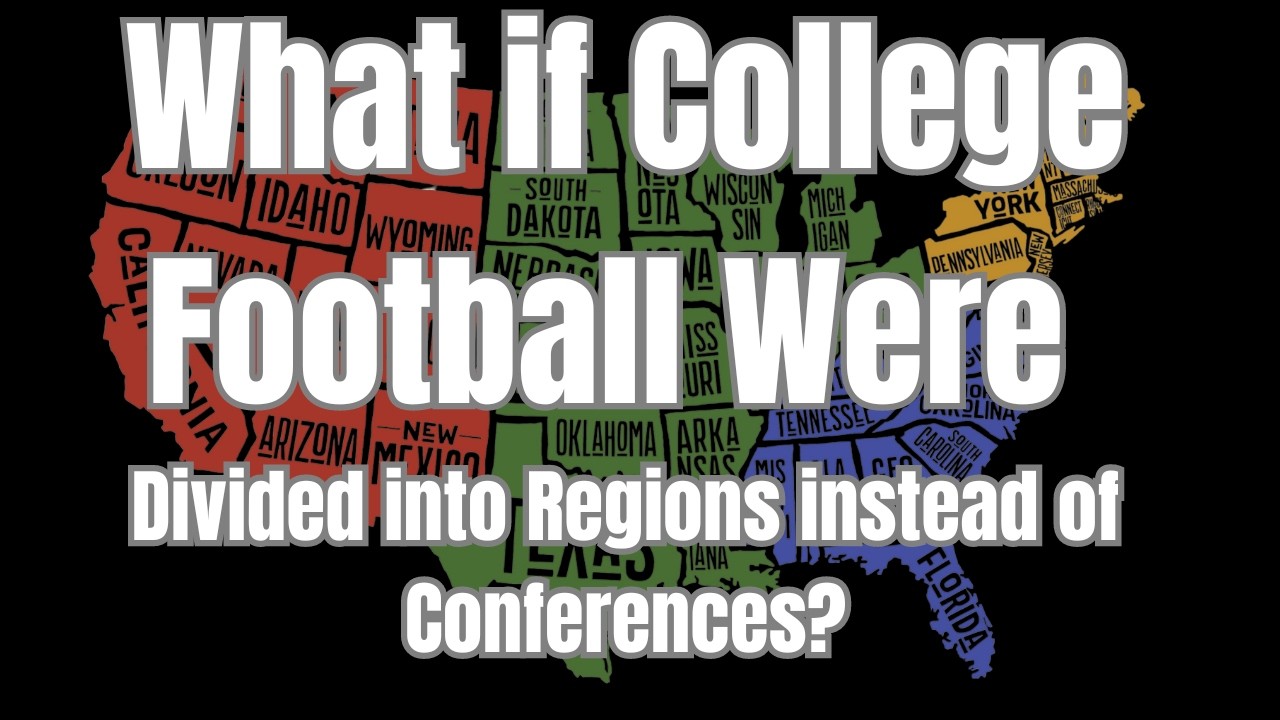
Division II solved the fan access problem years ago with their Super Region Model. Four geographic regions. Eight teams from each. Higher seeds host every game through the first three rounds, keeping matchups close enough that actual fans can drive to the stadium instead of watching half-empty neutral site games from their couches. When the bracket shrinks to four teams, then it goes national. The logic is beautifully simple: keep games accessible when the field is large, go big only when the stakes justify the travel.
The FCS has been perfecting this model since 1978. They’re at 24 teams now with 11 automatic qualifiers and 13 at-large selections. Top seeds get first-round byes. Campus hosting through the semifinals creates atmospheres that rival anything in college football. The Fargo Dome. Montana State’s Bobcat Stadium. South Dakota State’s Dana J. Dykhouse Stadium. These venues pack in passionate fans who brave December weather to watch playoff football the way it’s meant to be played.
The data proves home-field advantage matters: no road team has won an FCS semifinal since 2016. When you earn a high seed, you’re rewarded with something tangible, not just a higher number next to your name.
So why can’t FBS figure this out? The answer isn’t about logistics or money. An expanded playoff would generate more revenue, not less. More games mean more TV inventory. Campus sites mean more ticket sales. The financial case practically makes itself.
The real obstacle is relationships. FBS has 41 bowl games, each with sponsorship deals, media contracts, and decades of institutional history. These aren’t just games—they’re the professional networks that the people in charge built their careers on. Expanding the playoff means telling old friends that what they built doesn’t matter as much anymore. That’s a harder conversation than any television negotiation.
The smallest programs in college football solved this puzzle decades ago. The richest programs are still arguing about whether it’s possible. That tells you everything you need to know about who this system really serves.