















From Coal Mines to Championship Glory
John McKay transformed USC Football from a program on probation into college football’s most dominant dynasty. Four national championships. The perfection of the I-formation. The most legendary comeback in history against Notre Dame. But before he became “The General,” he was just a coal miner’s son trying to survive.
A West Virginia Beginning
Born July 5, 1923, in Everettville, West Virginia, McKay’s childhood was defined by hardship. His father died when he was 13, forcing him to sweep a general store at 5 a.m. before school to support his family. When his mother fell ill after high school, he declined a football scholarship to work as an electrician’s assistant in the coal mines.
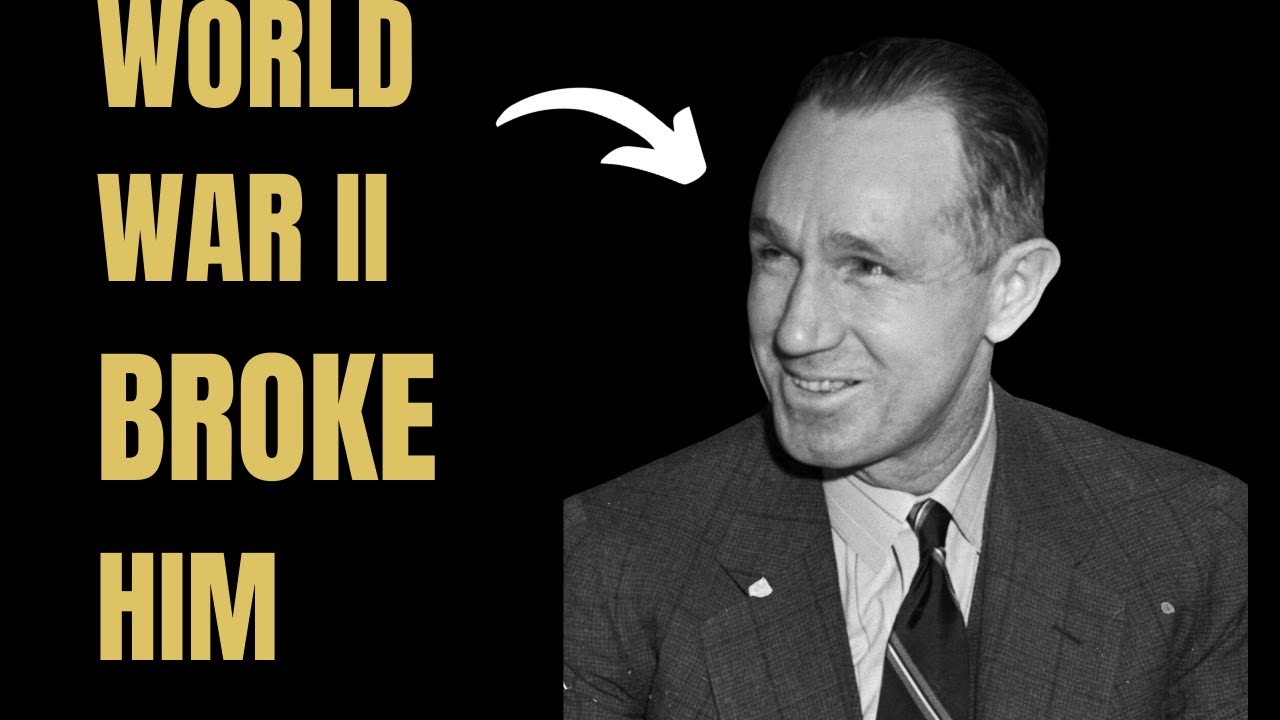
World War II interrupted his plans. McKay served as a B-29 tail gunner over Japan, losing his 18-year-old brother Richard in the war. As he later reflected: “Sitting in the back of a B-29 taught me two things, how to meditate and how to smoke cigars.”
The war gave him perspective. Compared to combat, football’s manufactured crises seemed trivial – a detachment that shaped the legendary wit he’d become famous for.
John McKay Built an Empire at USC
McKay joined USC in 1959 as an assistant, then became head coach in 1960. The timing couldn’t have been worse. The program was on NCAA probation with consecutive losing seasons. After going 4-6 in 1960 and 4-5-1 in 1961, influential alumni demanded his firing.
President Norman Topping gave him one more year. That decision changed college football history.
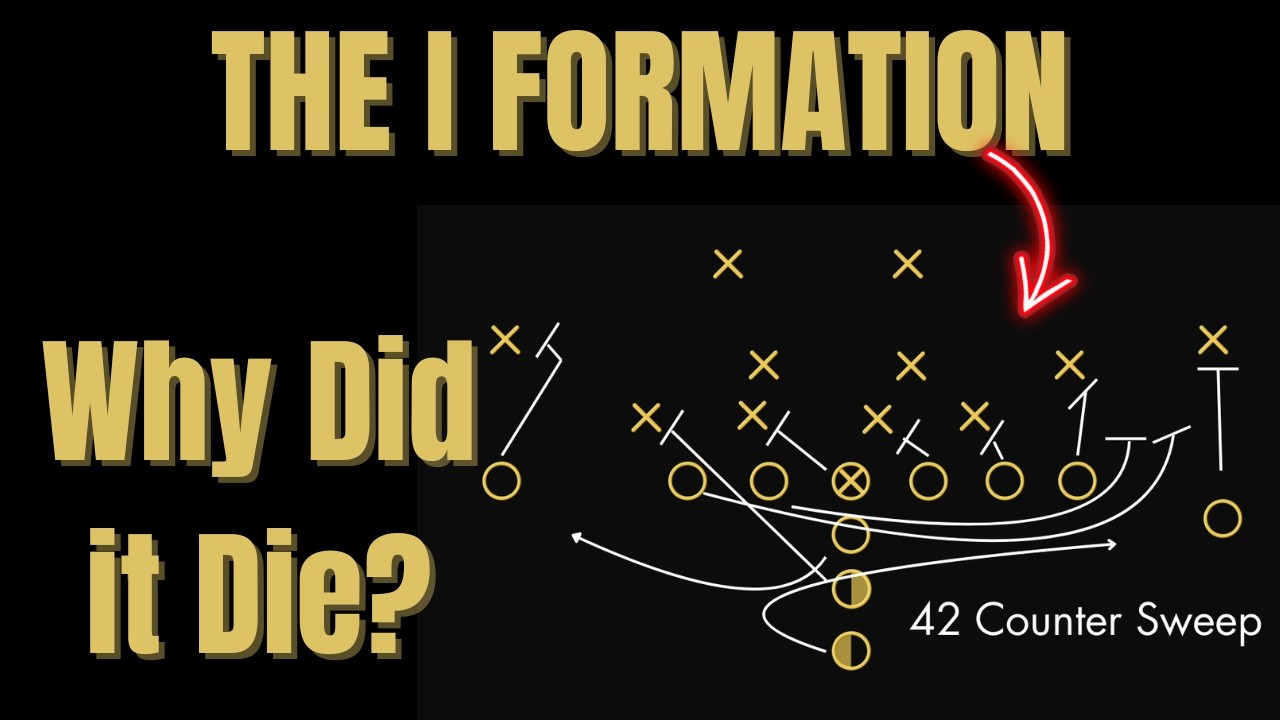
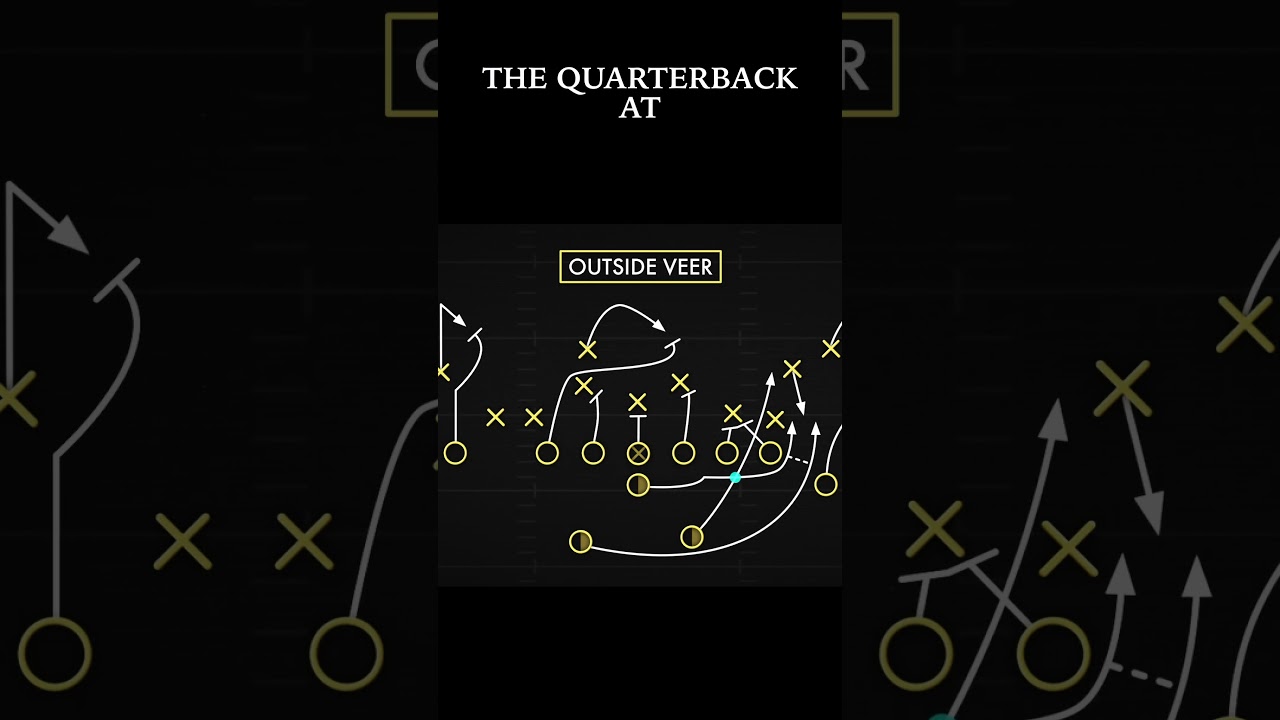
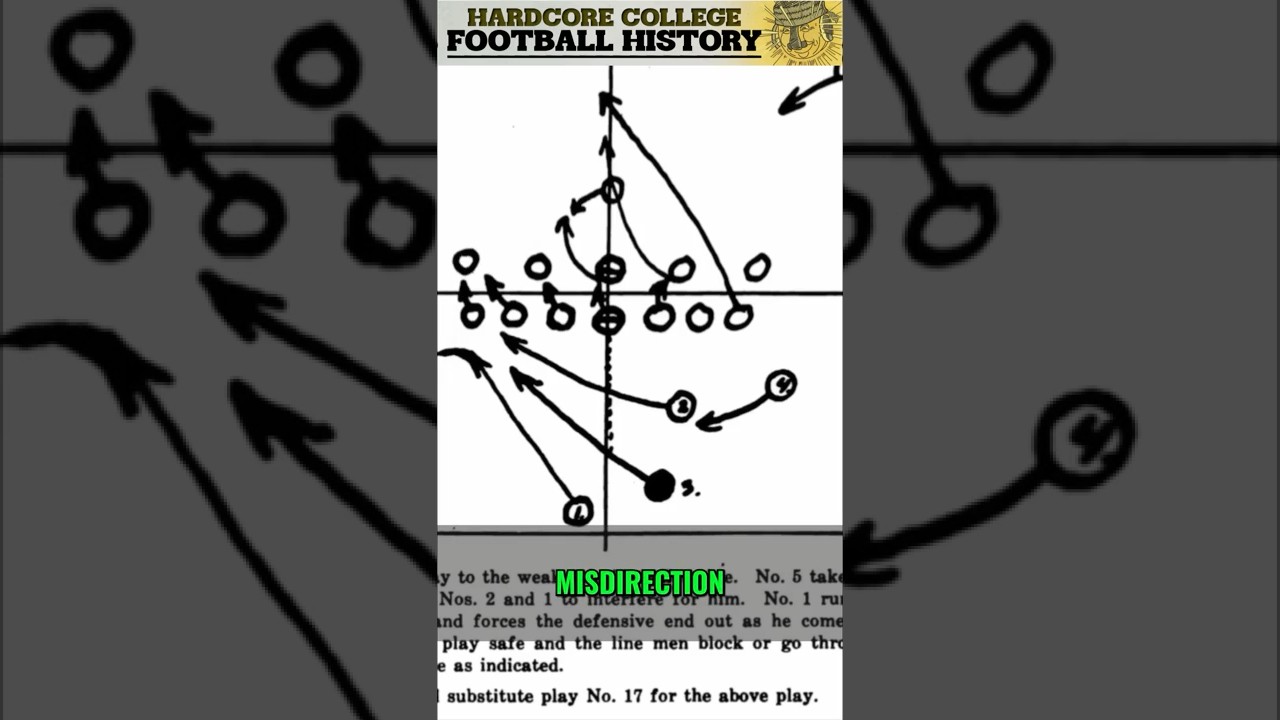
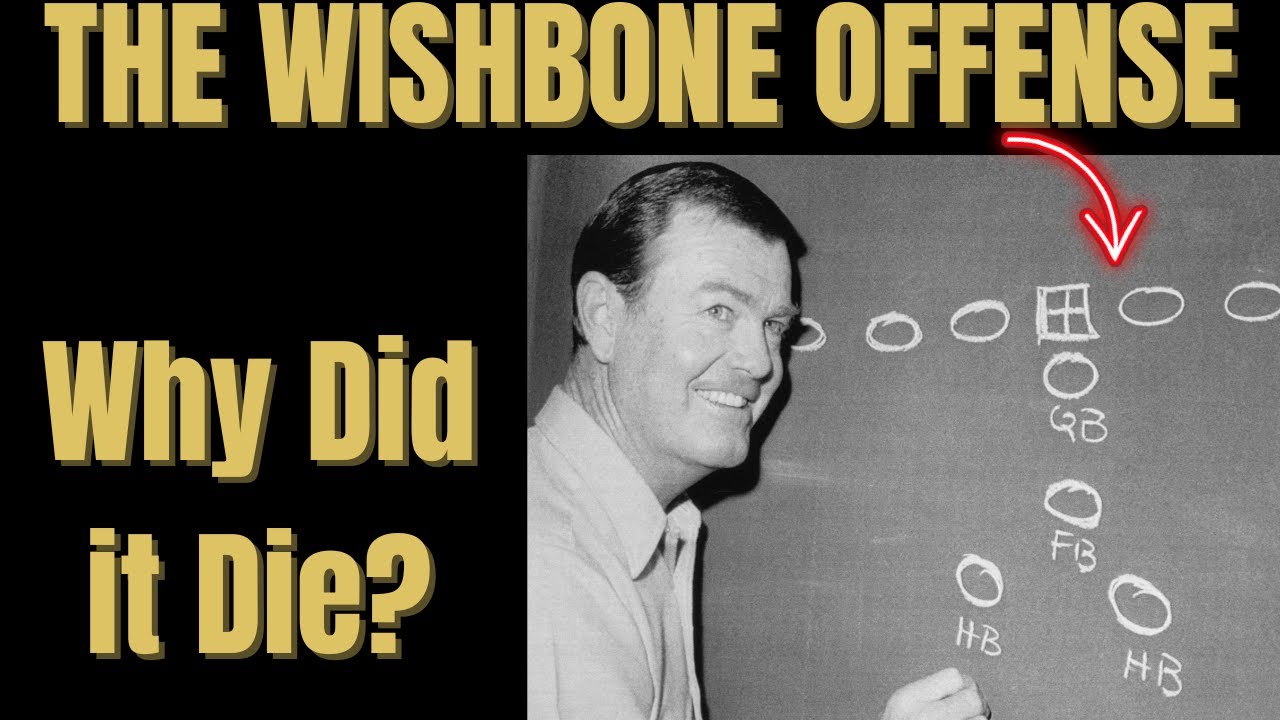
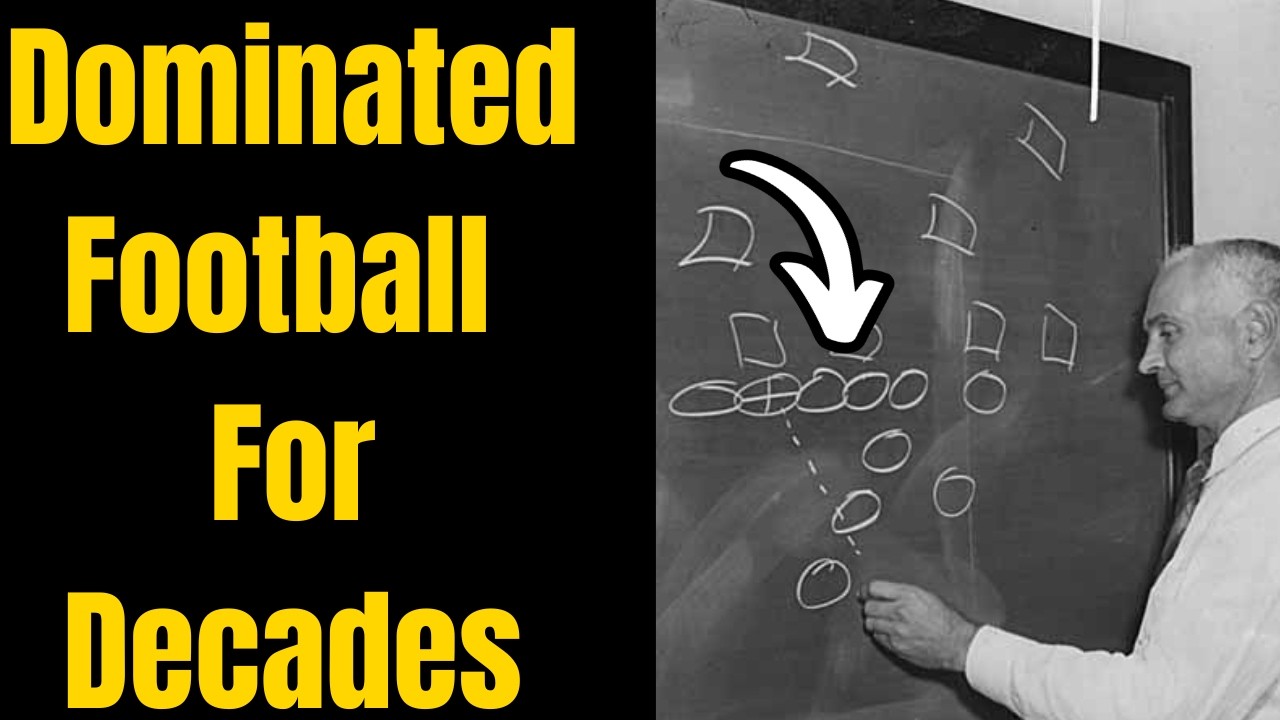
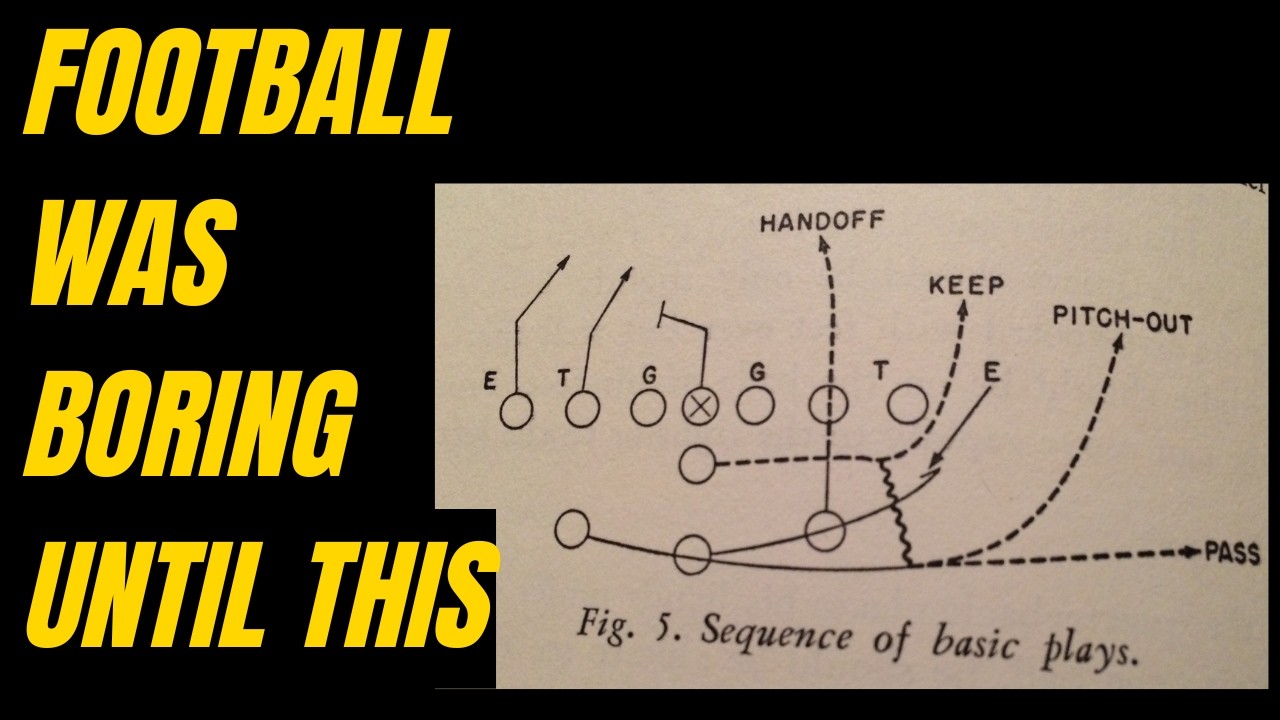
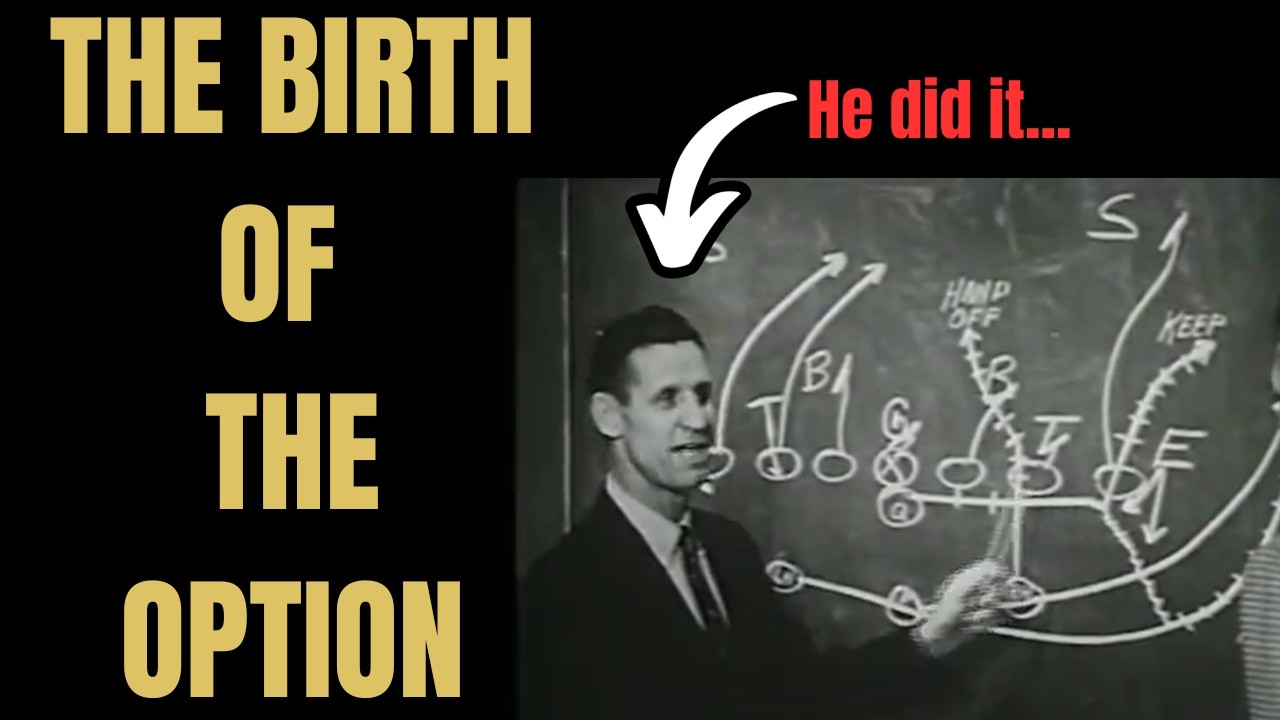
McKay’s genius was recognizing the I-formation’s potential. By positioning the tailback 6-8 yards deep with a fullback lead blocker, he created a devastating downhill running attack. The “Student Body Right” and “Student Body Left” sweeps became signature plays that defenses knew were coming but couldn’t stop.
This system created “Tailback U” – producing Heisman winners Mike Garrett, O.J. Simpson, Charles White, and Marcus Allen.
Four National Championships
1962: McKay began the season about to be fired, finished 11-0 with his first national title, defeating Wisconsin 42-37 in the Rose Bowl.
1967: The Game of the Century against #1 UCLA ended 21-20 on O.J. Simpson’s legendary 64-yard touchdown. McKay’s tactical brilliance showed when he inserted 6-foot-8 defensive lineman Bill Hayhoe with simple instructions to “just stand up” – Hayhoe blocked two field goals and tipped the decisive extra point.
1972: Many consider this squad the greatest college team ever. They went 12-0, never trailing in any second half all season, demolishing Ohio State 42-17 in the Rose Bowl.
1974: The legendary Notre Dame comeback. Trailing 24-0, USC scored 55 unanswered points in 17 minutes to win 55-24. Anthony Davis’s 102-yard kickoff return sparked “the 17 minutes that shook L.A.”
More Than Football
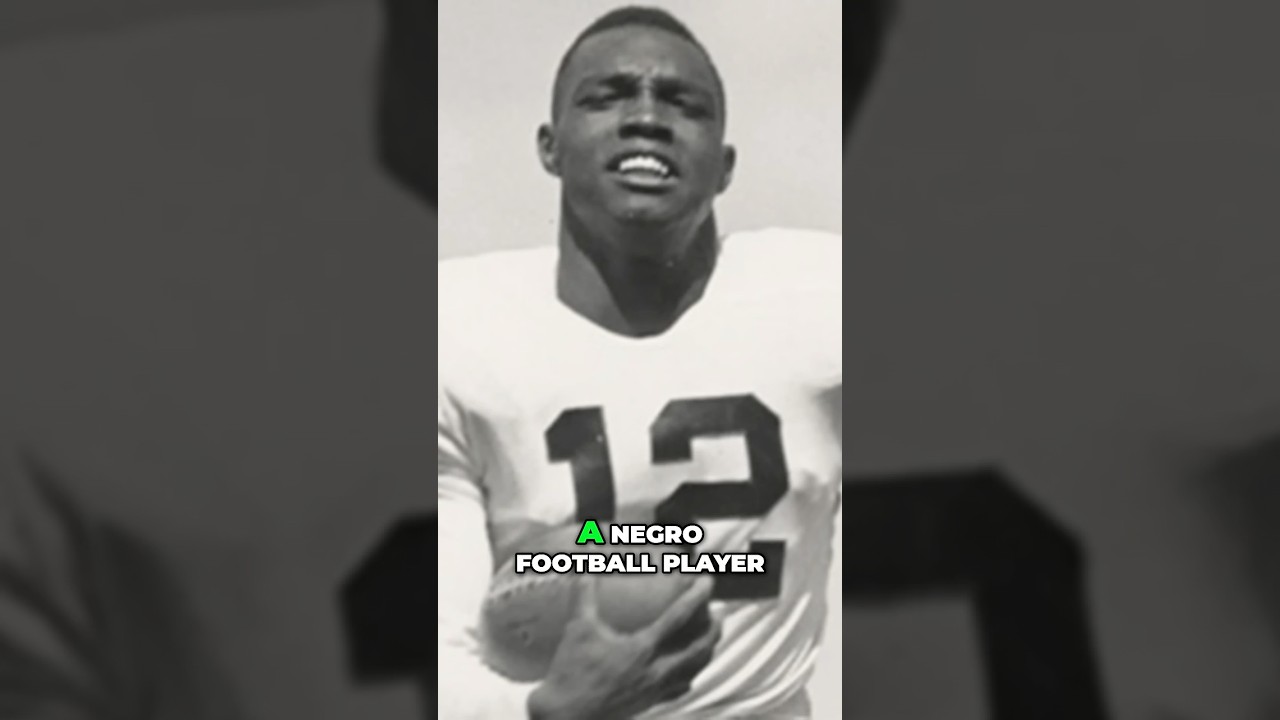
Perhaps McKay’s most profound contribution came September 12, 1970, when he brought the first fully integrated team to play in Alabama. USC’s all-black backfield, featuring Sam Cunningham who rushed for 135 yards and two touchdowns, demolished all-white Alabama 42-21.
The performance gave Bear Bryant political cover to accelerate integration. Bryant’s assistant later said: “Sam Cunningham did more to integrate Alabama in 60 minutes than Martin Luther King did in 20 years.”
The Quotable Genius
McKay became college football’s most quotable coach:
When asked why he gave O.J. Simpson the ball so often: “Why not? It’s not heavy, and he doesn’t belong to a union.”
Later at Tampa Bay, when asked about his team’s execution: “I’m in favor of it.”
After another loss: “We didn’t tackle well today, but we made up for it by not blocking.”
On emotion: “Emotion is overrated. My wife is emotional, but she’s a lousy football player.”
The humor masked strategic genius – deflecting pressure, protecting players, controlling narratives.
The General’s Legacy
McKay left USC in 1976 for Tampa Bay, transforming the NFL’s worst franchise (0-26 start) into playoff contenders by 1979. He retired in 1984, having mentored Joe Gibbs who won three Super Bowls.
At USC, his legacy remains foundational. The “Tailback U” identity he forged continues today. The university honored him by naming the John McKay Center after him.
He passed away June 10, 2001. His ashes were spread across the Los Angeles Memorial Coliseum turf where he built his empire.
McKay was The General – a coal miner’s son who revolutionized offensive football, accelerated social change, and delivered the most unforgettable comeback against Notre Dame. His wit, wisdom, and championships make him one of college football history’s most singular characters.