
Explore Videos by:

Play Video

Related Videos

The Rules That Finally Fixed Football: The Complete Story of the 1910 Reforms

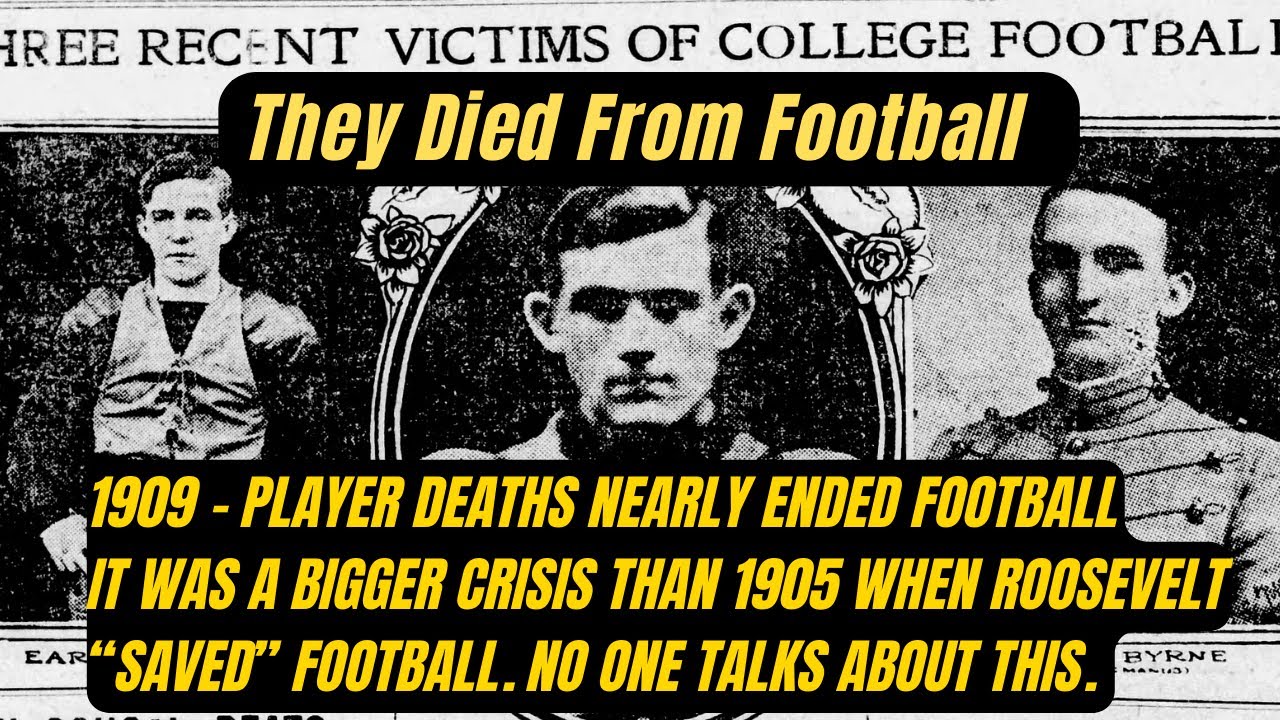
In 1910, college football underwent significant changes due to the fatalities and injuries in the 1909 season, which were not caused by media sensationalism like the 1905 crisis.
Show More

By the end of 1909, college football had exhausted every available excuse. The 1906 reforms — celebrated at the time as a sweeping overhaul that would make the game safe and open — had failed to eliminate the mass play. Players were still dying. High-profile deaths at Army, Navy, and Virginia had made it impossible for anyone to argue that better coaching or better physical preparation would solve the problem. Even Amos Alonzo Stagg, one of the most powerful figures in football and a member of the rules committee since 1904, was writing privately to Walter Camp admitting that something had to be done.

What followed in 1910 was the most important single set of football rule changes since Walter Camp invented the concept of possession in 1880. The 1910 football rules didn’t just tinker at the margins. They fundamentally restructured how the game was played, eliminated its most dangerous elements, and set American football on the path toward the modern game we watch today.

The Political Fight

Before getting to the rules themselves, it’s worth understanding the battle that produced them. The history of American football’s rule changes is never simply a story of rational people solving obvious problems. It is always a story of factions with competing interests fighting for control.

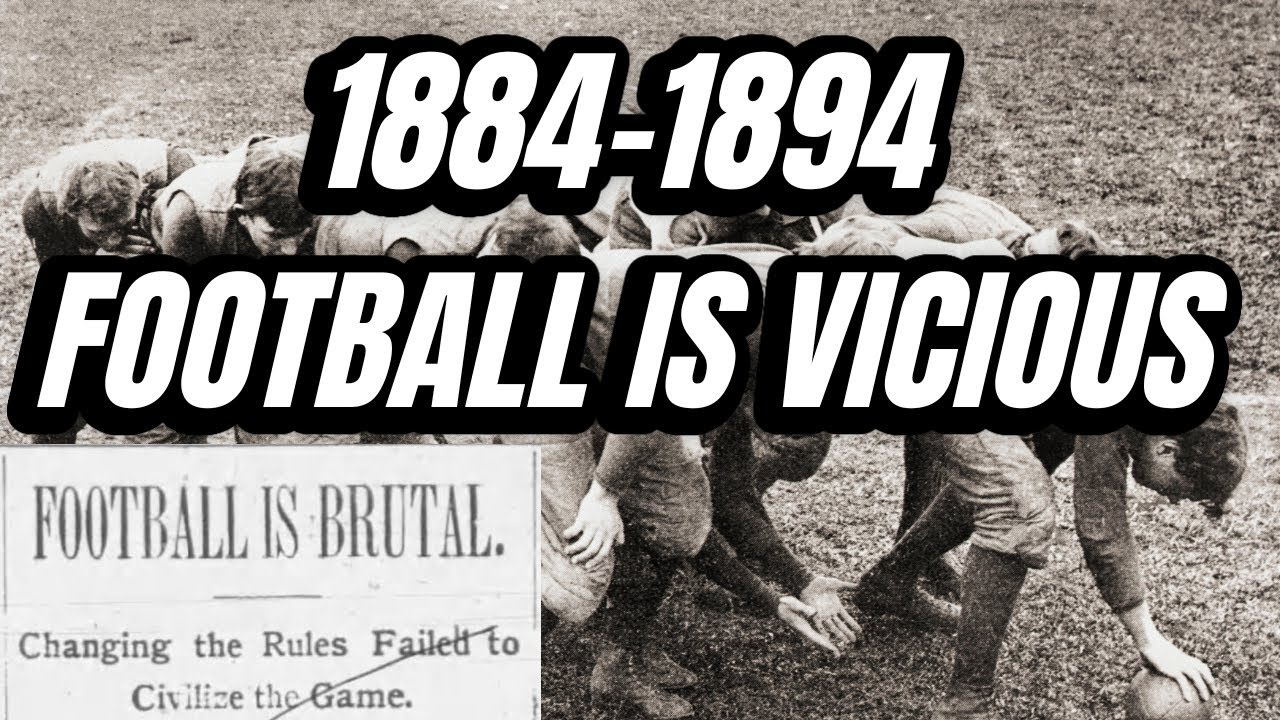
In 1910, the primary obstacle to meaningful reform was the same obstacle it had always been — Yale, Harvard, and Princeton. The Big Three had built their dominance on mass play football. They had won enormous numbers of games under the old rules, generated substantial gate receipts, and accumulated institutional prestige that depended on continuing to win. Radical reform meant giving up the system that had made them great and competing on a more level playing field against schools that had fewer resources and less history but more willingness to innovate.

Their resistance took predictable forms. One article published in newspapers across the nation, featuring a Yale coach and a Harvard All-American fullback, ran under the headline “Forward Pass Dangerous Play” and argued that the forward pass had been the direct cause of almost every injury in 1909. This was false, and the men making the argument knew it. The deaths of Byrne, Christian, and Wilson had nothing to do with the forward pass. They were killed by mass plays. The article was a political maneuver dressed up as safety concern — an attempt to limit the forward pass and preserve the mass play system by blaming the wrong rule for the wrong problem.

It didn’t work. The reformers had momentum, the facts, and the bodies to prove their case.

Substitution and Game Length

The 1910 rules began with changes designed to address player exhaustion — one of the underlying causes of serious injury that had never been adequately addressed. A player removed from the game for any reason except disqualification could now return once at the beginning of any subsequent period. This was a significant departure from the previous system, which had essentially required players to play through injury and exhaustion rather than risk losing their spot.

The game was restructured into four periods of 15 minutes each — still 60 minutes total, but now with three-minute intermissions between the first and second quarters and between the third and fourth, in addition to the standard halftime break. The explicit purpose was to give exhausted players rest. The connection to safety was direct: exhausted players made poor decisions, moved slowly, and absorbed hits they might otherwise have avoided.

Crawling, Diving, and the Quarterback

The crawling penalty addressed one of the most persistent and dangerous features of early football. For years, ball carriers had been responsible for calling themselves down, and the 1906 rule defining when a runner was down had included the phrase “while in the grasp of an opponent” — which meant a ball carrier on the ground could still be dragged forward by teammates if no defender had a clear hold on him. The result was piles of bodies, defenders jumping on prostrate ball carriers, and the kind of accumulated trauma that had contributed to multiple deaths. The 1910 crawling rule made any attempt to advance the ball after it was declared dead a penalty, period.

The diving tackle rule targeted the specific type of hit that had killed Earl Wilson of Navy. Wilson had suffered his fatal neck injury making a flying tackle — leaving his feet entirely to dive at an opponent. The new rule required any player making a tackle to have at least one foot on the ground. It sounds simple. It was the direct response to a young man’s death.

The quarterback rule eliminated one of the stranger features of early football — the requirement that the quarterback move five yards to the left or right before being allowed to run forward with the ball. This rule had produced the checkerboard field markings of the era, with lines running both horizontally and vertically to track the required lateral movement. Its elimination meant a quarterback could now run directly forward from the snap — making the quarterback sneak a legal play for the first time in football history.

The Rules That Killed the Mass Play

The two most important rules changes of 1910 worked together to finally accomplish what the 1906 reforms had failed to do — eliminate the mass play entirely.

The first required seven players to be on the offensive line of scrimmage rather than the previous six. Under the six-man rule, teams had been placing that extra player in the backfield, where he would join the mass of blockers targeting the defensive tackle position. Requiring seven on the line removed that player from the backfield and weakened the concentrated blocking mass.

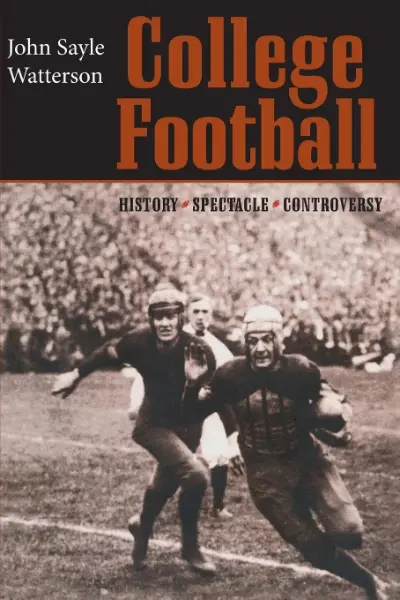
But seven players on the line was not enough on its own. The second rule addressed the central mechanical feature of mass play directly — the interlocked arms and the pushing and pulling of ball carriers. Players were now forbidden from grasping their teammates in any way, from interlocking arms with blockers, and from pushing or pulling the ball carrier in any direction. This was the rule the most stubborn defenders of mass play had fought hardest to prevent. Historian John Watterson notes that some of the diehards straddled the fence by accepting the seven-man line requirement while opposing the interlocked interference rule — understanding that the line requirement alone wouldn’t be enough to kill the mass play, and hoping to preserve as much of the old system as possible.

Both rules passed. The mass play was dead.

The Forward Pass Grows Up

The 1910 forward pass changes were significant but still reflected the deep institutional ambivalence about throwing the ball. The passer was now required to be five yards behind the line of scrimmage when throwing — a rule that would remain in college football until 1945. A pass could not be longer than 20 yards. Only tight ends remained eligible receivers. A touchdown could not be scored on a pass that crossed the goal line in the air — if the ball passed over the goal line, it was a touchback.

But the incomplete pass rule was substantially improved. Previously, an incomplete pass had been a turnover. Then it had been a 15-yard penalty. Now, an incomplete pass on first or second down gave the ball back to the passing team at the spot of the throw. Only on third down did an incomplete pass result in a turnover. It was still more punishing than the modern rule, but it made the forward pass meaningfully more useful as an offensive weapon.

Most importantly, the pass interference rule was strengthened. Defensive players could no longer use their hands or arms on eligible receivers while the ball was in the air except to push them aside while going for the ball themselves. No holding, no tackling of players without the ball. For the first time, a quarterback could reasonably expect that the player he was throwing to might actually be able to catch it.

Did It Work?

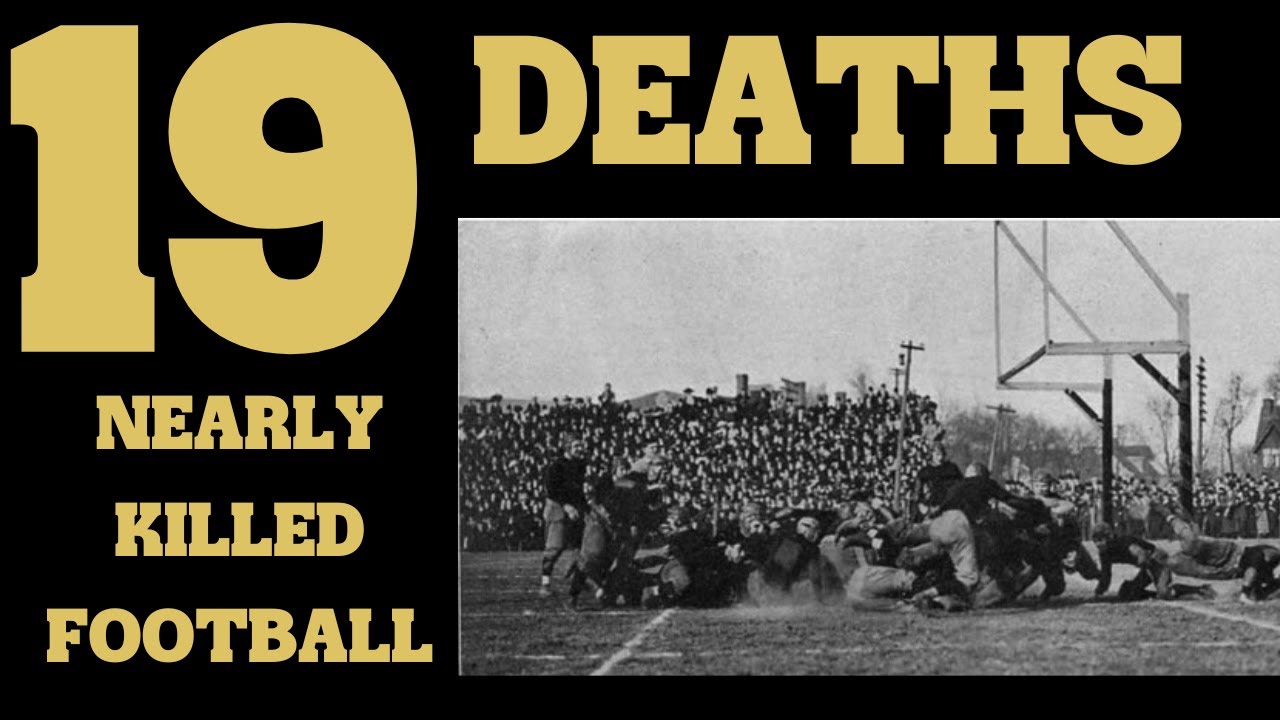
By the numbers, yes. A January 1911 article from an Illinois newspaper reported that 16 young men had been killed in football during the 1910 season — down from 29 the previous year. The article’s dry observation that 16 deaths still left room for improvement captures the era perfectly. Three of the 16 were college players. Fourteen were boys between 11 and 19. The injury report for the season listed 65 broken collarbones, 40 broken legs, 37 broken noses, and various other fractures — but notably absent from the list was any mention of serious head injuries, brain hemorrhages, or concussions. In every previous season’s injury accounting, those had been prominent entries.

The season itself produced mixed football results — including a scoreless tie in the Harvard-Yale game, which surprised nobody given both teams’ dependence on mass play for scoring. Complaints about the new rules were common. But a December 1910 article from an Illinois newspaper offered what may be the fairest summary: from the standpoint of good football, the season was not a great success, but in reducing injuries, it accomplished everything the rules committee had hoped.

With the benefit of historical hindsight, the 1910 football rules are an unqualified success. The mass play was gone. The forward pass was growing. The game was closer to the modern sport than it had ever been. More changes were coming — but the foundation of American football as we know it was finally, permanently in place.

Hardcore College Football History covers the forgotten stories and foundational moments that shaped college football. Subscribe for more documentary-style deep dives into the history of the game.
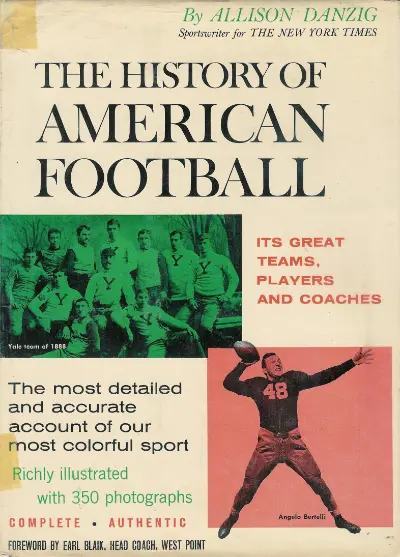
By the end of 1909, college football had exhausted every available excuse. The 1906 reforms — celebrated at the time as a sweeping overhaul that would make the game safe and open — had failed to eliminate the mass play. Players were still dying. High-profile deaths at Army, Navy, and Virginia had made it impossible for anyone to argue that better coaching or better physical preparation would solve the problem. Even Amos Alonzo Stagg, one of the most powerful figures in football and a member of the rules committee since 1904, was writing privately to Walter Camp admitting that something had to be done.

What followed in 1910 was the most important single set of football rule changes since Walter Camp invented the concept of possession in 1880. The 1910 football rules didn’t just tinker at the margins. They fundamentally restructured how the game was played, eliminated its most dangerous elements, and set American football on the path toward the modern game we watch today.

The Political Fight

Before getting to the rules themselves, it’s worth understanding the battle that produced them. The history of American football’s rule changes is never simply a story of rational people solving obvious problems. It is always a story of factions with competing interests fighting for control.

In 1910, the primary obstacle to meaningful reform was the same obstacle it had always been — Yale, Harvard, and Princeton. The Big Three had built their dominance on mass play football. They had won enormous numbers of games under the old rules, generated substantial gate receipts, and accumulated institutional prestige that depended on continuing to win. Radical reform meant giving up the system that had made them great and competing on a more level playing field against schools that had fewer resources and less history but more willingness to innovate.

Their resistance took predictable forms. One article published in newspapers across the nation, featuring a Yale coach and a Harvard All-American fullback, ran under the headline “Forward Pass Dangerous Play” and argued that the forward pass had been the direct cause of almost every injury in 1909. This was false, and the men making the argument knew it. The deaths of Byrne, Christian, and Wilson had nothing to do with the forward pass. They were killed by mass plays. The article was a political maneuver dressed up as safety concern — an attempt to limit the forward pass and preserve the mass play system by blaming the wrong rule for the wrong problem.

It didn’t work. The reformers had momentum, the facts, and the bodies to prove their case.

Substitution and Game Length

The 1910 rules began with changes designed to address player exhaustion — one of the underlying causes of serious injury that had never been adequately addressed. A player removed from the game for any reason except disqualification could now return once at the beginning of any subsequent period. This was a significant departure from the previous system, which had essentially required players to play through injury and exhaustion rather than risk losing their spot.

The game was restructured into four periods of 15 minutes each — still 60 minutes total, but now with three-minute intermissions between the first and second quarters and between the third and fourth, in addition to the standard halftime break. The explicit purpose was to give exhausted players rest. The connection to safety was direct: exhausted players made poor decisions, moved slowly, and absorbed hits they might otherwise have avoided.

Crawling, Diving, and the Quarterback

The crawling penalty addressed one of the most persistent and dangerous features of early football. For years, ball carriers had been responsible for calling themselves down, and the 1906 rule defining when a runner was down had included the phrase “while in the grasp of an opponent” — which meant a ball carrier on the ground could still be dragged forward by teammates if no defender had a clear hold on him. The result was piles of bodies, defenders jumping on prostrate ball carriers, and the kind of accumulated trauma that had contributed to multiple deaths. The 1910 crawling rule made any attempt to advance the ball after it was declared dead a penalty, period.

The diving tackle rule targeted the specific type of hit that had killed Earl Wilson of Navy. Wilson had suffered his fatal neck injury making a flying tackle — leaving his feet entirely to dive at an opponent. The new rule required any player making a tackle to have at least one foot on the ground. It sounds simple. It was the direct response to a young man’s death.

The quarterback rule eliminated one of the stranger features of early football — the requirement that the quarterback move five yards to the left or right before being allowed to run forward with the ball. This rule had produced the checkerboard field markings of the era, with lines running both horizontally and vertically to track the required lateral movement. Its elimination meant a quarterback could now run directly forward from the snap — making the quarterback sneak a legal play for the first time in football history.

The Rules That Killed the Mass Play

The two most important rules changes of 1910 worked together to finally accomplish what the 1906 reforms had failed to do — eliminate the mass play entirely.

The first required seven players to be on the offensive line of scrimmage rather than the previous six. Under the six-man rule, teams had been placing that extra player in the backfield, where he would join the mass of blockers targeting the defensive tackle position. Requiring seven on the line removed that player from the backfield and weakened the concentrated blocking mass.

But seven players on the line was not enough on its own. The second rule addressed the central mechanical feature of mass play directly — the interlocked arms and the pushing and pulling of ball carriers. Players were now forbidden from grasping their teammates in any way, from interlocking arms with blockers, and from pushing or pulling the ball carrier in any direction. This was the rule the most stubborn defenders of mass play had fought hardest to prevent. Historian John Watterson notes that some of the diehards straddled the fence by accepting the seven-man line requirement while opposing the interlocked interference rule — understanding that the line requirement alone wouldn’t be enough to kill the mass play, and hoping to preserve as much of the old system as possible.

Both rules passed. The mass play was dead.

The Forward Pass Grows Up

The 1910 forward pass changes were significant but still reflected the deep institutional ambivalence about throwing the ball. The passer was now required to be five yards behind the line of scrimmage when throwing — a rule that would remain in college football until 1945. A pass could not be longer than 20 yards. Only tight ends remained eligible receivers. A touchdown could not be scored on a pass that crossed the goal line in the air — if the ball passed over the goal line, it was a touchback.

But the incomplete pass rule was substantially improved. Previously, an incomplete pass had been a turnover. Then it had been a 15-yard penalty. Now, an incomplete pass on first or second down gave the ball back to the passing team at the spot of the throw. Only on third down did an incomplete pass result in a turnover. It was still more punishing than the modern rule, but it made the forward pass meaningfully more useful as an offensive weapon.

Most importantly, the pass interference rule was strengthened. Defensive players could no longer use their hands or arms on eligible receivers while the ball was in the air except to push them aside while going for the ball themselves. No holding, no tackling of players without the ball. For the first time, a quarterback could reasonably expect that the player he was throwing to might actually be able to catch it.

Did It Work?

By the numbers, yes. A January 1911 article from an Illinois newspaper reported that 16 young men had been killed in football during the 1910 season — down from 29 the previous year. The article’s dry observation that 16 deaths still left room for improvement captures the era perfectly. Three of the 16 were college players. Fourteen were boys between 11 and 19. The injury report for the season listed 65 broken collarbones, 40 broken legs, 37 broken noses, and various other fractures — but notably absent from the list was any mention of serious head injuries, brain hemorrhages, or concussions. In every previous season’s injury accounting, those had been prominent entries.

The season itself produced mixed football results — including a scoreless tie in the Harvard-Yale game, which surprised nobody given both teams’ dependence on mass play for scoring. Complaints about the new rules were common. But a December 1910 article from an Illinois newspaper offered what may be the fairest summary: from the standpoint of good football, the season was not a great success, but in reducing injuries, it accomplished everything the rules committee had hoped.

With the benefit of historical hindsight, the 1910 football rules are an unqualified success. The mass play was gone. The forward pass was growing. The game was closer to the modern sport than it had ever been. More changes were coming — but the foundation of American football as we know it was finally, permanently in place.

Hardcore College Football History covers the forgotten stories and foundational moments that shaped college football. Subscribe for more documentary-style deep dives into the history of the game.
Leave a Reply

Your email address will not be published. Required fields are marked *