
Explore Videos by:

Play Video

James Hogan’s Yale Racket: The 1904 NIL Deal That Reached the Supreme Court

Show More

Most college football fans have never heard of James Hogan. That’s by design. For decades, the NCAA needed a clean origin story — a mythological amateur era where young men played purely for the love of the game. Hogan’s life didn’t fit that story. So it was quietly erased. Until the Supreme Court of the United States brought it back.

The Inconvenient Truth About College Football’s “Pure” Era

When Justice Neil Gorsuch wrote the majority opinion in the landmark 2021 case NCAA v. Alston — a unanimous 9-0 ruling that shattered the NCAA’s amateurism framework — he didn’t reach for a modern example. He reached back 117 years to a Yale tackle who held a tobacco franchise, lived rent-free in a luxury campus suite, and took annual vacations to Cuba on the athletic department’s tab.

That was James Joseph Hogan. And his story is the most important one in the history of NIL that nobody ever told you.

A Mill Town Kid Crashes the Ivy League

Hogan’s origin story is as American as they come, but it didn’t start in America. He was born in County Tipperary, Ireland in 1878, arriving in Connecticut as a toddler with parents seeking work in the Naugatuck River mill towns. Torrington was a place where work meant survival, and Hogan absorbed that lesson early. He spent his childhood laboring alongside his family, squeezing in schooling when he could.

By his early twenties, he had scraped together enough to enroll at Phillips Exeter Academy — one of the most elite prep schools in New England, overwhelmingly populated by the sons of Boston and New York’s professional class. Hogan was older, Irish, and working class. He was also the best football player on the field.

He captained the Exeter squad in 1899 and 1900. At 5’10” and 210 pounds, he was physically ahead of nearly every teenager around him. When Yale came calling, he arrived in New Haven in 1901 to find something far bigger than a football program.

The Yale Football Machine

Walter Camp had turned Yale football into an American institution. Between 1872 and 1909, the Bulldogs won 26 national championships. Their home field held 35,000 fans. Camp — who had invented the line of scrimmage, the system of downs, and the 11-man team — held no official coaching title but controlled everything. He recruited players, shaped strategy, and managed an alumni-funded reserve of $100,000 dedicated to keeping talent in New Haven.

Camp wrote extensively about the sanctity of amateurism. He published nearly 30 books and more than 250 magazine articles preaching that a true gentleman never competed for money. He selected the All-America team annually and his word was treated as gospel.

He was also quietly funding James Hogan’s very comfortable life at Yale.

Where Tobacco Money Met College Football

Buck Duke had already conquered the American tobacco market by the time his eyes landed on Yale’s star tackle. The American Tobacco Company, which Duke built through a series of aggressive mergers beginning in 1890, controlled 90% of American cigarette production and had absorbed more than 250 companies by 1900. Duke understood marketing the way few businessmen of his era did — spending $800,000 on advertising in 1889 while accepting less than half that in profit, buying long-term market share with short-term losses.

The Ivy League was a demographic prize. And Hogan was the key to it.

The deal they structured was neither secret nor subtle. Hogan received the exclusive cigarette franchise for the American Tobacco Company at Yale. Every box sold in New Haven generated a commission. Students didn’t request a brand — they asked for “Hogan cigarettes” by name. He also controlled the scorecard concession at Yale baseball games, paid no tuition, occupied a premium campus suite at no cost, and traveled to Havana each spring — an expense Walter Camp buried in the athletic department’s ledger under “miscellaneous expenses.”

This was not a back-room arrangement. Campus newspapers covered it. Tobacco executives confirmed it proudly to the press. The commercial machinery of college football operated in plain sight, dressed in the language of amateurism.

Erased, Then Resurrected

Hogan graduated, coached briefly at Exeter, and earned his law degree at Columbia. He passed the bar and rose to become Deputy Street Cleaning Commissioner of New York City. Then, in March 1910, he died of Bright’s disease. He was 33.

When the College Football Hall of Fame inducted him in 1954, his commercial arrangements had vanished from the record entirely. The tobacco franchise, the free tuition, the Havana vacation — gone. The NCAA’s mythology required a sanitized past, and Hogan was repackaged to fit it.

He remained a footnote for more than six decades.

In 2021, Justice Gorsuch’s opinion for a unanimous Supreme Court changed that. The court found that the NCAA’s amateurism model was not a historic tradition deserving legal protection — it was a commercial arrangement that had always served institutional interests far more than it served athletes. Hogan’s story was the proof. A man dead for 111 years became the opening argument in the most significant legal defeat in NCAA history.

What It All Means Now

College football in 2024 looks chaotic — transfer portals, eight-figure NIL deals, conference realignment driven entirely by television revenue. Critics say the sport has lost its soul.

But James Hogan’s life suggests the soul was always for sale. The difference between 1904 and today isn’t the presence of money in college football. It’s who gets to keep it.

That’s a conversation worth having — and it starts by knowing who James Hogan actually was.

Explore the full documentary on the Hardcore College Football History YouTube channel, and visit our website to browse our complete timeline of early American football history.
 

The Fraudulent History of Amateurism And College Football

Most college football fans have never heard of James Hogan. That’s by design. For decades, the NCAA needed a clean origin story — a mythological amateur era where young men played purely for the love of the game. Hogan’s life didn’t fit that story. So it was quietly erased. Until the Supreme Court of the United States brought it back.

The Inconvenient Truth About College Football’s “Pure” Era

When Justice Neil Gorsuch wrote the majority opinion in the landmark 2021 case NCAA v. Alston — a unanimous 9-0 ruling that shattered the NCAA’s amateurism framework — he didn’t reach for a modern example. He reached back 117 years to a Yale tackle who held a tobacco franchise, lived rent-free in a luxury campus suite, and took annual vacations to Cuba on the athletic department’s tab.

That was James Joseph Hogan. And his story is the most important one in the history of NIL that nobody ever told you.

A Mill Town Kid Crashes the Ivy League

Hogan’s origin story is as American as they come, but it didn’t start in America. He was born in County Tipperary, Ireland in 1878, arriving in Connecticut as a toddler with parents seeking work in the Naugatuck River mill towns. Torrington was a place where work meant survival, and Hogan absorbed that lesson early. He spent his childhood laboring alongside his family, squeezing in schooling when he could.

By his early twenties, he had scraped together enough to enroll at Phillips Exeter Academy — one of the most elite prep schools in New England, overwhelmingly populated by the sons of Boston and New York’s professional class. Hogan was older, Irish, and working class. He was also the best football player on the field.

He captained the Exeter squad in 1899 and 1900. At 5’10” and 210 pounds, he was physically ahead of nearly every teenager around him. When Yale came calling, he arrived in New Haven in 1901 to find something far bigger than a football program.

The Yale Football Machine

Walter Camp had turned Yale football into an American institution. Between 1872 and 1909, the Bulldogs won 26 national championships. Their home field held 35,000 fans. Camp — who had invented the line of scrimmage, the system of downs, and the 11-man team — held no official coaching title but controlled everything. He recruited players, shaped strategy, and managed an alumni-funded reserve of $100,000 dedicated to keeping talent in New Haven.

Camp wrote extensively about the sanctity of amateurism. He published nearly 30 books and more than 250 magazine articles preaching that a true gentleman never competed for money. He selected the All-America team annually and his word was treated as gospel.

He was also quietly funding James Hogan’s very comfortable life at Yale.

Where Tobacco Money Met College Football

Buck Duke had already conquered the American tobacco market by the time his eyes landed on Yale’s star tackle. The American Tobacco Company, which Duke built through a series of aggressive mergers beginning in 1890, controlled 90% of American cigarette production and had absorbed more than 250 companies by 1900. Duke understood marketing the way few businessmen of his era did — spending $800,000 on advertising in 1889 while accepting less than half that in profit, buying long-term market share with short-term losses.

The Ivy League was a demographic prize. And Hogan was the key to it.

The deal they structured was neither secret nor subtle. Hogan received the exclusive cigarette franchise for the American Tobacco Company at Yale. Every box sold in New Haven generated a commission. Students didn’t request a brand — they asked for “Hogan cigarettes” by name. He also controlled the scorecard concession at Yale baseball games, paid no tuition, occupied a premium campus suite at no cost, and traveled to Havana each spring — an expense Walter Camp buried in the athletic department’s ledger under “miscellaneous expenses.”

This was not a back-room arrangement. Campus newspapers covered it. Tobacco executives confirmed it proudly to the press. The commercial machinery of college football operated in plain sight, dressed in the language of amateurism.

Erased, Then Resurrected

Hogan graduated, coached briefly at Exeter, and earned his law degree at Columbia. He passed the bar and rose to become Deputy Street Cleaning Commissioner of New York City. Then, in March 1910, he died of Bright’s disease. He was 33.

When the College Football Hall of Fame inducted him in 1954, his commercial arrangements had vanished from the record entirely. The tobacco franchise, the free tuition, the Havana vacation — gone. The NCAA’s mythology required a sanitized past, and Hogan was repackaged to fit it.

He remained a footnote for more than six decades.

In 2021, Justice Gorsuch’s opinion for a unanimous Supreme Court changed that. The court found that the NCAA’s amateurism model was not a historic tradition deserving legal protection — it was a commercial arrangement that had always served institutional interests far more than it served athletes. Hogan’s story was the proof. A man dead for 111 years became the opening argument in the most significant legal defeat in NCAA history.

What It All Means Now

College football in 2024 looks chaotic — transfer portals, eight-figure NIL deals, conference realignment driven entirely by television revenue. Critics say the sport has lost its soul.

But James Hogan’s life suggests the soul was always for sale. The difference between 1904 and today isn’t the presence of money in college football. It’s who gets to keep it.

That’s a conversation worth having — and it starts by knowing who James Hogan actually was.

Explore the full documentary on the Hardcore College Football History YouTube channel, and visit our website to browse our complete timeline of early American football history.


The Fraudulent History of Amateurism And College Football

Leave a Reply

Your email address will not be published. Required fields are marked *


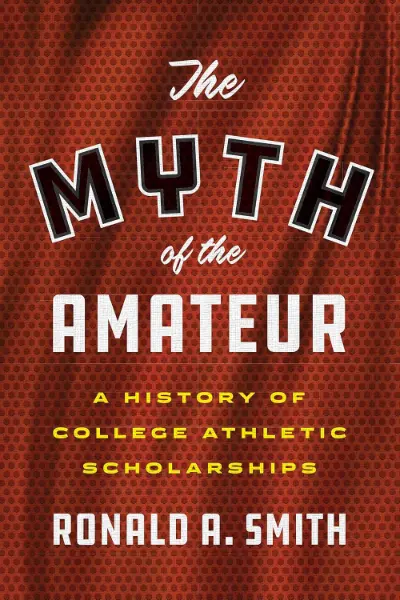
Related Book

Publisher: University of Texas Press
ISBN: 1477322868
Author: Ronald A. Smith